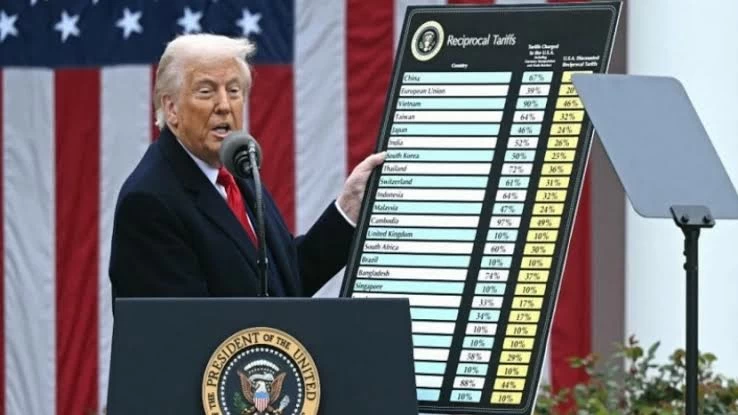
ردت إدارة الرئيس الأمريكي دونالد ترمب نحو 100 مليار دولار من الرسوم الجمركية التي جُمعت قبل أن تقضي المحكمة العليا بإلغاء تعريفات «يوم التحرير»، وهو ما يمثل نحو 60% من إجمالي الرسوم المحصلة البالغ 166 مليار دولار.
سياسة تجارية
جاء ذلك في مذكرة قدمتها الإدارة أمس، إلى محكمة التجارة الدولية الأمريكية، أوضحت فيها أن نظام الاسترداد تلقى أكثر من 252 ألف طلب تغطي ما يزيد على 25 مليون عملية استيراد.
وأضافت أن القيمة الإجمالية للمطالبات ناهزت 129 مليار دولار، جرى اعتماد نحو 100 مليار دولار منها وتحويلها إلى وزارة الخزانة لصرفها.
ورغم ذلك، تواصل إدارة السعي لإعادة فرض رسوم جمركية مماثلة استناداً إلى أسس قانونية أخرى، بعد أن أكد الرئيس الأمريكي أن قرارات المحاكم لن تمنعه من المضي في سياسته التجارية، رغم أن الإجراءات الجديدة تواجه أيضاً طعوناً قضائية.
دعوى قضائية
وكان مكتب المدعي العام لولاية أوريجون الأمريكية دان رايفيلد أعلن أخيراً أن مجموعة من 25 ولاية يقودها الديمقراطيون رفعت دعوى قضائية على إدارة الرئيس دونالد ترمب، للطعن على أحدث جولة رسوم جمركية فرضها على سلع مستوردة من 60 شريكاً تجارياً.
وقال رايفيلد في بيان: «رغم خسائره القضائية السابقة فيما يتعلق بفرض الرسوم، يحاول ترمب مرة أخرى إحداث المزيد من الفوضى للأسر والشركات المحلية العاملة في ولاية أوريجون، ونحن جميعاً ندفع ثمن هذه الرسوم الجمركية غير القانونية، وليس الحكومات الأجنبية».
طعون سابقة
ورفعت الولايات الدعوى أمام محكمة التجارة الدولية الأمريكية في نيويورك، بعد طعون سابقة من شركات أمريكية صغيرة، دعاوى قضائية لوقف الرسوم الجمركية في اليوم الذي دخلت فيه حيز التنفيذ الشهر الماضي. ونجحت الولايات والشركات الصغيرة في الطعن على رسوم جمركية سابقة فرضها ترمب عالمياً خلال ولايته الثانية، لكن الرئيس استمر في مساعيه لفرض رسوم جمركية جديدة رغم سلسلة من الإخفاقات القانونية.
ركيزة أساسية
وفرضت إدارة ترمب في 24 يوليو الماضي رسوماً جمركية جديدة بنسبة 10 و12.5% على 60 شريكاً تجارياً، من بينهم الاتحاد الأوروبي، بدعوى أنهم لم يبذلوا جهوداً كافية لوقف تصدير السلع المنتجة بالعمل القسري. ودخلت هذه الرسوم حيز التنفيذ بالتزامن مع انتهاء صلاحية رسوم جمركية عالمية سابقة نسبتها 10%. وجعل ترمب الرسوم الجمركية ركيزة أساسية في سياسته الخارجية، رغم رفض المحكمة العليا في 20 فبراير الماضي معظم الرسوم التي فرضها ترمب على نطاق واسع، معتبرة أن قانون سلطات الطوارئ الاقتصادية الدولية لا يخول الرئيس فرض رسوم من جانب واحد على الشركاء التجاريين.
The administration of U.S. President Donald Trump refunded nearly $100 billion in tariffs collected before the Supreme Court ruled to cancel the "Liberation Day" tariffs, which represents about 60% of the total collected tariffs amounting to $166 billion.
Trade Policy
This was stated in a memo submitted by the administration yesterday to the U.S. International Trade Court, in which it clarified that the refund system received over 252,000 requests covering more than 25 million import transactions.
It added that the total value of the claims approached $129 billion, of which about $100 billion was approved and transferred to the Treasury Department for disbursement.
Despite this, the administration continues to seek to reimpose similar tariffs based on other legal grounds, after the U.S. President confirmed that court decisions would not prevent him from pursuing his trade policy, even though the new measures also face legal challenges.
Legal Challenge
The Attorney General's Office of Oregon, Dan Rayfield, recently announced that a group of 25 states led by Democrats has filed a lawsuit against President Donald Trump's administration, challenging the latest round of tariffs imposed on imported goods from 60 trading partners.
Rayfield stated in a press release: "Despite his previous legal losses regarding the imposition of tariffs, Trump is once again trying to create more chaos for families and local businesses operating in Oregon, and we are all paying the price for these illegal tariffs, not foreign governments."
Previous Challenges
The states filed the lawsuit before the U.S. International Trade Court in New York, following previous challenges from small American companies, which filed lawsuits to stop the tariffs on the day they took effect last month. The states and small businesses succeeded in challenging previous tariffs imposed by Trump globally during his second term, but the president continued his efforts to impose new tariffs despite a series of legal failures.
Key Pillar
On July 24, the Trump administration imposed new tariffs of 10% and 12.5% on 60 trading partners, including the European Union, claiming they had not made sufficient efforts to stop the export of goods produced through forced labor. These tariffs took effect simultaneously with the expiration of a previous global tariff of 10%. Trump made tariffs a key pillar of his foreign policy, despite the Supreme Court rejecting most of the tariffs Trump imposed broadly on February 20, considering that the International Economic Emergency Powers Act does not authorize the president to impose unilateral tariffs on trading partners.