بعد عودة التوترات الجيوسياسية بين الولايات المتحدة وإيران، تصاعدت توقعات الأسواق بإقدام كل من بنك إنجلترا والبنك المركزي الأوروبي على رفع أسعار الفائدة، في أعقاب القفزة القوية لأسعار النفط التي اقتربت من 90 دولاراً للبرميل، ما أعاد المخاوف بشأن تسارع التضخم.
وللمرة الأولى منذ شهر، سعّر المتعاملون احتمال رفع بنك إنجلترا أسعار الفائدة بمقدار 25 نقطة أساس بحلول سبتمبر القادم، مع توقعات برفع إضافي قبل نهاية العام.
وعززت الأسواق رهاناتها على أن يرفع البنك المركزي الأوروبي أسعار الفائدة بمقدار 25 نقطة أساس في سبتمبر 2026، مع ترجيحات قوية لتنفيذ زيادة أخرى قبل نهاية العام.
تشديد السياسة النقدية
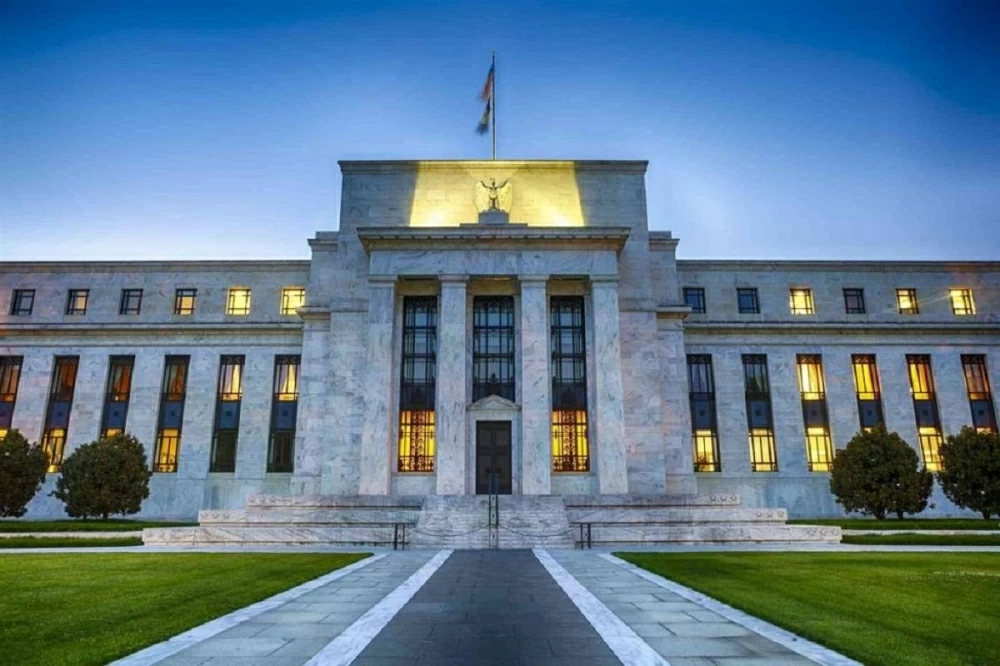
من جهته، حذَّر عضو مجلس محافظي الاحتياطي الفيدرالي كريستوفر والر من أن البنك المركزي قد يضطر إلى رفع أسعار الفائدة في المستقبل القريب إذا جاءت بيانات التضخم الأساسي هذا الأسبوع أعلى من التوقعات.
وقال والر في تصريحات خلال فعالية نظمتها جمعية نيويورك لاقتصاديات الأعمال أمس: «إن استمرار الضغوط السعرية سيستدعي تشديد السياسة النقدية، وإن قراءة واحدة منخفضة للتضخم لن تكون كافية لتغيير موقفه».
مستوى مستهدف
وشدد والر على أنه يحتاج إلى عدة أشهر من تباطؤ التضخم حتى يقتنع بأن الأسعار تسير نحو المستوى المستهدف عند 2%، موضحاً أن «الفيدرالي» يواجه حالياً معضلة بين الإبقاء على الفائدة دون تغيير والمخاطرة بزيادة التضخم، أو رفعها بما قد يضر بالنمو الاقتصادي.
ولفت والر إلى أن استقرار سوق العمل يجعل التضخم محور الاهتمام الرئيسي لصناع السياسة النقدية، إضافة إلى وجود سيناريوهين، أحدهما يدعم احتمال عودة التضخم إلى المستهدف مع تثبيت الفائدة، والآخر يتنبأ باستمرار التضخم عند مستويات مرتفعة.
Following the return of geopolitical tensions between the United States and Iran, market expectations have risen for both the Bank of England and the European Central Bank to raise interest rates, in the wake of a strong surge in oil prices that approached $90 per barrel, reigniting fears of accelerating inflation.
For the first time in a month, traders have priced in the possibility of the Bank of England raising interest rates by 25 basis points by next September, with expectations of an additional hike before the end of the year.
The markets have increased their bets that the European Central Bank will raise interest rates by 25 basis points in September 2026, with strong indications of another increase before the end of the year.
Tightening Monetary Policy
For his part, Federal Reserve Board member Christopher Waller warned that the central bank may have to raise interest rates in the near future if this week's core inflation data comes in higher than expected.
Waller stated during an event organized by the New York Association for Business Economics yesterday: "The continued price pressures will necessitate tightening monetary policy, and a single low reading for inflation will not be enough to change his stance."
Target Level
Waller emphasized that he needs several months of slowing inflation to be convinced that prices are moving toward the target level of 2%, explaining that the "Fed" is currently facing a dilemma between keeping interest rates unchanged and risking an increase in inflation, or raising them in a way that could harm economic growth.
Waller pointed out that the stability of the labor market makes inflation the main focus for monetary policymakers, in addition to the existence of two scenarios: one supports the possibility of inflation returning to the target with interest rates held steady, while the other predicts that inflation will remain at high levels.