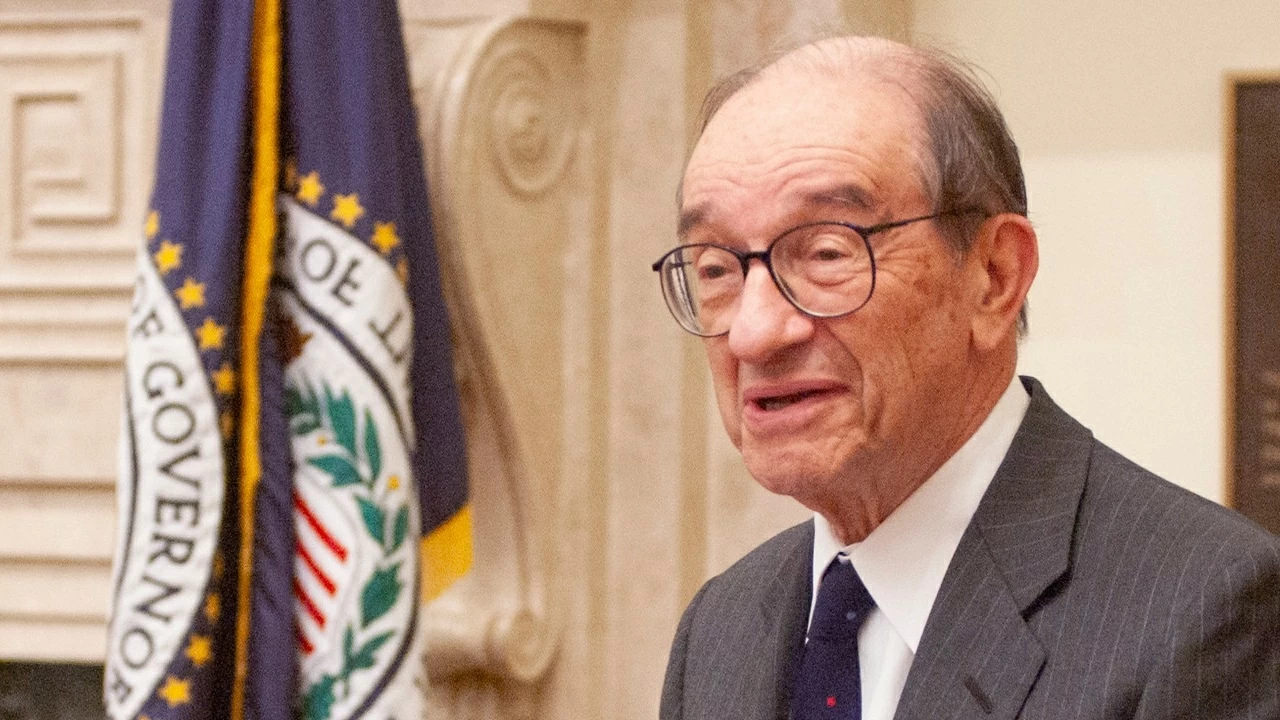
في 22 يونيو 2026، أسدل الستار على حياة أحد أعقد العقول الاقتصادية في العصر الحديث. رحل ألان غرينسبان عن 100 عام كاملة، تاركًا خلفه إرثًا فريدًا جمع بين الموسيقى والاقتصاد، وبين نغمات السوينغ وإيقاعات الأسواق المالية.
ولد غرينسبان في (واشنطن هايتس) بنيويورك، حيث بدأ شغفه المبكر بالأرقام من مدرجات لعبة البيسبول، حين كان يسجل الإحصاءات بدقة طفل يرى العالم كمعادلة لا كفوضى. لاحقًا، حمل شغفه إلى معهد (جوليارد) ليعزف الكلارينيت والساكسفون، قبل أن يكتشف أن الاقتصاد هو السيمفونية الأكبر التي يريد قيادتها.
ترك الموسيقى، ودخل دهاليز الاقتصاد، ليصبح في 1987 رئيسًا لمجلس الاحتياطي الفيدرالي، وقائدًا فعليًا للسفينة المالية العالمية. لُقّب بـ(المايسترو) لأن كلماته وحدها كانت تحرك أسواق العالم صعودًا وهبوطًا.
لكن اللحن لم يكتمل دائمًا؛ فإيمانه بقدرة الأسواق على تصحيح نفسها لم يمنع انفجار أزمة 2008، التي اعترف بعدها أمام الكونغرس بخطأ تقديراته. وفي سنواته الأخيرة، عاد إلى ذكريات الفتى الذي يعشق الإحصاءات، قبل أن يرحل تاركًا درسًا خالدًا: أن الاقتصاد، مهما بدا منضبطًا، يظل مليئًا بالمفاجآت التي لا يمكن التنبؤ بها بالكامل.
On June 22, 2026, the curtain fell on the life of one of the most complex economic minds of the modern era. Alan Greenspan passed away at the age of 100, leaving behind a unique legacy that intertwined music and economics, between the melodies of swing and the rhythms of financial markets.
Greenspan was born in Washington Heights, New York, where his early passion for numbers began from the bleachers of a baseball game, as he meticulously recorded statistics like a child who sees the world as an equation rather than chaos. Later, he took his passion to the Juilliard School to play the clarinet and saxophone, before discovering that economics was the grand symphony he wanted to conduct.
He left music and entered the corridors of economics, becoming the Chairman of the Federal Reserve in 1987, and effectively the captain of the global financial ship. He was nicknamed "the maestro" because his words alone could move the world's markets up and down.
However, the melody was not always complete; his belief in the markets' ability to correct themselves did not prevent the explosion of the 2008 crisis, after which he admitted to Congress that his estimates were wrong. In his later years, he returned to the memories of the boy who loved statistics, before departing and leaving behind an enduring lesson: that economics, no matter how orderly it may seem, remains full of surprises that cannot be fully predicted.