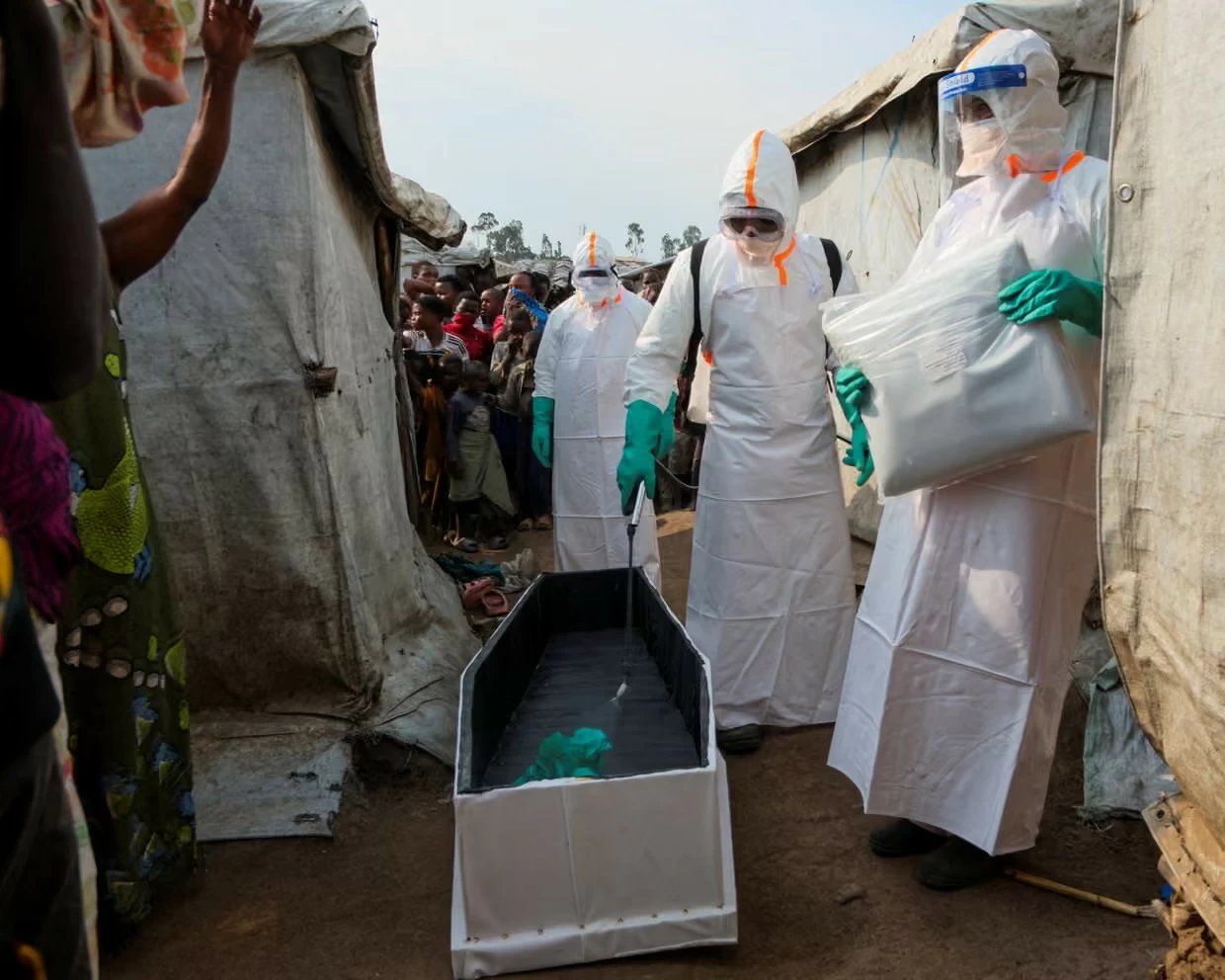
حذرت السلطات الصحية الأفريقية من تصاعد المخاطر المرتبطة بتفشي فيروس الإيبولا في جمهورية الكونغو الديمقراطية، بعد فقدان القدرة على متابعة نحو 300 شخص ثبتت إصابتهم بالمرض، في ظل أوضاع إنسانية وأمنية معقدة تعيق الوصول إلى مناطق واسعة من البلاد.
وصرّح المدير العام للمراكز الأفريقية لمكافحة الأمراض والوقاية منها جان كاسيا، بأن الأزمة الإنسانية الناتجة عن النزاعات دفعت أكثر من مليون شخص للإقامة داخل مخيمات نزوح يصعب على الفرق الطبية الوصول إليها، الأمر الذي يحد من جهود تتبع المخالطين واحتواء انتشار الفيروس.
توقعات بارتفاع الإصابات
وتزامنت هذه التحذيرات مع توقعات صادرة عن المكتب الإقليمي الأفريقي لمنظمة الصحة العالمية، تشير إلى احتمال وصول عدد الإصابات إلى نحو 8210 حالات، مع تسجيل 1420 وفاة بحلول منتصف سبتمبر القادم.
كما أظهرت التقديرات وجود احتمال يصل إلى 70% لانتقال التفشي إلى دولة جنوب السودان خلال الأسابيع القادمة.
وحتى الآن، تم تسجيل 1118 إصابة مؤكدة و291 وفاة في جمهورية الكونغو الديمقراطية، إلى جانب 20 إصابة وحالتَي وفاة في أوغندا المجاورة.
إصابة طبيب عاد من الكونغو إلى فرنسا
وفي تطور جديد، أعلنت السلطات الفرنسية تسجيل إصابة طبيب كان يعمل في الكونغو بفيروس الإيبولا بعد عودته إلى فرنسا.
وأوضحت الجهة الطبية التي يعمل بها أنها بدأت تحقيقات لمعرفة كيفية انتقال العدوى.
297 مصابًا خارج المتابعة الصحية
وأظهرت البيانات المتعلقة بالعلاج والتعافي والوفيات وجود 297 شخصًا مصابًا لا توجد معلومات دقيقة عن أماكن وجودهم أو أوضاعهم الصحية الحالية.
ووصف المسؤولون هذا الأمر بأنه مصدر قلق كبير، خاصة أن غياب المتابعة قد يؤدي إلى استمرار انتقال العدوى داخل المجتمعات المحلية.
وأعلنت السلطات الكونغولية فرض إجراءات جديدة، تتضمن انتظار أي شخص قادم من المناطق المتضررة 21 يومًا قبل السماح له بالسفر إلى مناطق أخرى.
أكبر موجة تفشٍ
ويُعد هذا التفشي، الناتج عن سلالة بونديبوجيو من فايروس الإيبولا، الأكبر خلال الأسابيع الخمسة الأولى منذ إعلان ظهوره.
وللمقارنة، شهدت المرحلة نفسها من تفشي الإيبولا في غرب أفريقيا بين عامي 2014 و2016 نحو 239 إصابة و160 وفاة فقط، قبل أن يتحول لاحقًا إلى واحدة من أخطر الأوبئة في التاريخ الحديث.
مخيمات النزوح تعرقل جهود الاحتواء
وأكدت السلطات الصحية أن نحو 30% من الإصابات الجديدة جاءت بين أشخاص كانوا معروفين مسبقًا كمخالطين لحالات مؤكدة، ما يعكس استمرار انتقال العدوى داخل المجتمع.
كما تخطط السلطات لتوظيف 20 ألف عامل صحي محلي لدعم عمليات التتبع والرصد.
في الوقت نفسه، وصلت نسبة إشغال مراكز علاج الإيبولا إلى 95%، وسط تحذيرات من أن ذروة انتشار المرض لم تتحقق بعد.
أزمة تمويل وتجارب علاجية مرتقبة
وتحتاج خطط مواجهة الوباء إلى نحو 518 مليون دولار للقطاع الصحي فقط، بينما ترتفع الحاجات إلى 1.4 مليار دولار عند إضافة المساعدات الإنسانية.
ورغم تعهد جهات دولية بتقديم 910 ملايين دولار، لم يتم توفير سوى 13% من التمويل حتى الآن.
ومن المقرر أن تبدأ خلال الأسبوع القادم أول تجربة سريرية لأدوية مرشحة لعلاج هذه السلالة من الإيبولا داخل الكونغو، يليها اختبار لعقار مضاد للفيروسات يُستخدم للمخالطين بهدف الحد من تطور المرض وانتشاره.
African health authorities have warned of the rising risks associated with the outbreak of the Ebola virus in the Democratic Republic of the Congo, after losing the ability to track about 300 people confirmed to be infected with the disease, amid complex humanitarian and security conditions that hinder access to large areas of the country.
The Director-General of the Africa Centres for Disease Control and Prevention, John Nkengasong, stated that the humanitarian crisis resulting from conflicts has forced more than a million people to live in displacement camps that are difficult for medical teams to access, which limits efforts to trace contacts and contain the spread of the virus.
Expectations of Rising Infections
These warnings coincided with forecasts from the World Health Organization's African regional office, indicating that the number of infections could reach about 8,210 cases, with 1,420 deaths recorded by mid-September.
Estimates also showed a 70% likelihood of the outbreak spreading to South Sudan in the coming weeks.
So far, 1,118 confirmed cases and 291 deaths have been recorded in the Democratic Republic of the Congo, along with 20 cases and two deaths in neighboring Uganda.
Infection of a Doctor Returning from Congo to France
In a new development, French authorities announced the infection of a doctor who had worked in Congo with the Ebola virus after returning to France.
The medical entity he works for stated that it has begun investigations to determine how the infection was transmitted.
297 Infected Individuals Outside Health Monitoring
Data related to treatment, recovery, and deaths showed that there are 297 infected individuals for whom there is no accurate information regarding their locations or current health conditions.
Officials described this situation as a major concern, especially since the lack of monitoring could lead to continued transmission of the infection within local communities.
The Congolese authorities announced the imposition of new measures, including requiring anyone coming from affected areas to wait 21 days before being allowed to travel to other areas.
Largest Wave of Outbreak
This outbreak, caused by the Bundibugyo strain of the Ebola virus, is the largest during the first five weeks since its announcement.
In comparison, the same phase of the Ebola outbreak in West Africa between 2014 and 2016 saw about 239 infections and only 160 deaths, before it later turned into one of the deadliest epidemics in modern history.
Displacement Camps Hinder Containment Efforts
Health authorities confirmed that about 30% of new infections occurred among individuals who were previously known to be contacts of confirmed cases, reflecting the continued transmission of the infection within the community.
Authorities are also planning to employ 20,000 local health workers to support tracing and monitoring operations.
At the same time, the occupancy rate of Ebola treatment centers has reached 95%, amid warnings that the peak of the disease's spread has not yet been reached.
Funding Crisis and Upcoming Treatment Trials
Plans to combat the epidemic require about $518 million for the health sector alone, while needs rise to $1.4 billion when humanitarian assistance is included.
Despite international pledges to provide $910 million, only 13% of the funding has been secured so far.
The first clinical trial for candidate drugs to treat this strain of Ebola is scheduled to begin next week in Congo, followed by testing an antiviral drug used for contacts to limit the progression and spread of the disease.