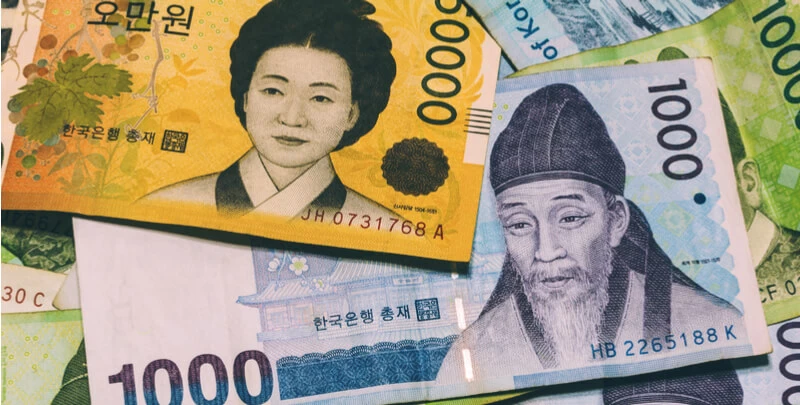
تعهد وزير المالية الكوري الجنوبي كو يون تشول باتخاذ إجراءات صارمة ضد تداولات العملة غير المشروعة والمضاربات، في ظل تزايد الضغوط على الوون الكوري وتسجيله تراجعاً حاداً في الأسواق.
جاءت تصريحات الوزير خلال اجتماع طارئ لبحث تطورات الأسواق المالية، بحسب بيان صادر عن وزارة المالية، في وقت تسعى فيه السلطات لاحتواء التقلبات السريعة في سوق الصرف الأجنبية.
وأكد كو يون تشول أن السلطات المالية لن تتسامح مع التقلبات المفرطة في سعر الوون أِو التحركات أحادية الاتجاه التي يقودها نشاط مضاربي في السوق، مشدداً على ضرورة استقرار العملة.
في سياق متصل، اخترق الوون الكوري الجنوبي مستوى 1550 مقابل الدولار الأمريكي في أواخر يوم الجمعة، مسجلاً أضعف مستوى له منذ عام 2009، ما يعكس تصاعد الضغوط على العملة وسط اضطرابات الأسواق العالمية.
وعيّن الرئيس الكوري الجنوبي لي جاي ميونغ خبير الاقتصاد شين هيون-سونغ ليشغل منصب حاكم البنك المركزي، ويشتهر شين بتوقعه الصحيح للأزمة المالية العالمية عام 2008، في خطوة تهدف إلى معالجة ارتفاع مستويات الديون ودفع النمو في رابع أكبر اقتصاد آسيوي.
The South Korean Finance Minister, Ko Yoon-chul, pledged to take strict measures against illegal currency trading and speculation, amid increasing pressure on the Korean won and a sharp decline in the markets.
The minister's statements came during an emergency meeting to discuss developments in the financial markets, according to a statement issued by the Ministry of Finance, at a time when authorities are seeking to contain rapid fluctuations in the foreign exchange market.
Ko Yoon-chul emphasized that financial authorities will not tolerate excessive fluctuations in the won's exchange rate or one-sided movements driven by speculative activity in the market, stressing the need for currency stability.
In a related context, the South Korean won breached the 1550 level against the US dollar late on Friday, recording its weakest level since 2009, reflecting increasing pressures on the currency amid global market turmoil.
South Korean President Yoon Suk-yeol appointed economist Shin Hyun-sung to serve as the governor of the central bank, known for his accurate prediction of the global financial crisis in 2008, in a move aimed at addressing rising debt levels and boosting growth in the fourth-largest economy in Asia.