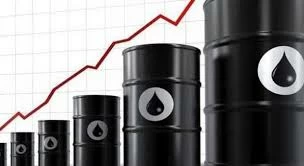
أجرت الحكومة الأسترالية تحليلاً لسيناريو في موازنتها السنوية، يفترض أن الحرب في إيران ستتصاعد، مما سيؤدي إلى ارتفاع سعر النفط إلى 200 دولار للبرميل.
انكماش وتضخم
وذكرت وكالة بلومبيرغ للأنباء أن وزارة الخزانة قالت اليوم: «هذا يمكن أن يحدث إذا طال أمد الصراع أو فاقم التصاعد من الخسائر في قطاع الطاقة والبنية التحتية للصادرات في أنحاء الشرق الأوسط، وأوقف إمدادات النفط من المنطقة، بما في ذلك عبر طريق البحر الأحمر التجاري».
وجاء في مسودة الموازنة أن تسجيل أسعار نفط في هذا المستوى خلال الفترة من يوليو الماضي حتى سبتمبر القادم سيدفع الاقتصاد الأسترالي إلى الانكماش خلال هذا الربع، وزيادة معدل التضخم المحلي إلى 7.25% خلال العام حتى الربع الرابع، كما سيرتفع معدل البطالة.
تداعيات الحرب
وقال وزير الخزانة جيم تشالمرز للصحافيين اليوم: «نحن رهائن للتطورات من عدة جوانب». وأضاف: «تداعيات الحرب بالشرق الأوسط خطيرة بالفعل، وما زالت هناك خطورة أن تصبح الأمور أكثر حدة».
يذكر أن حركة الشحن عبر مضيق هرمز ما زالت متوقفة اليوم، إذ ارتفعت أسعار النفط بعدما رفض الرئيس الأمريكي دونالد ترمب أحدث عرض لإيران. وأشار إلى أن وقف إطلاق النار ربما لن يصمد. وارتفع سعر خام برنت بنسبة 2% ليصل إلى أكثر من 106 دولارات للبرميل.
The Australian government conducted an analysis for a scenario in its annual budget, assuming that the war in Iran will escalate, leading to an increase in oil prices to $200 per barrel.
Contraction and Inflation
Bloomberg News reported that the Treasury Department stated today: “This could happen if the conflict drags on or if the escalation exacerbates losses in the energy sector and export infrastructure across the Middle East, and halts oil supplies from the region, including via the commercial Red Sea route.”
The budget draft indicated that recording oil prices at this level from July until next September would push the Australian economy into contraction during this quarter, and increase the domestic inflation rate to 7.25% for the year up to the fourth quarter, while the unemployment rate would also rise.
Consequences of the War
Treasurer Jim Chalmers told reporters today: “We are hostages to developments from several angles.” He added: “The consequences of the war in the Middle East are indeed serious, and there is still a risk that things could become more severe.”
It is worth noting that shipping through the Strait of Hormuz remains halted today, as oil prices rose after U.S. President Donald Trump rejected Iran's latest offer. He indicated that the ceasefire may not hold. The price of Brent crude rose by 2% to over $106 per barrel.