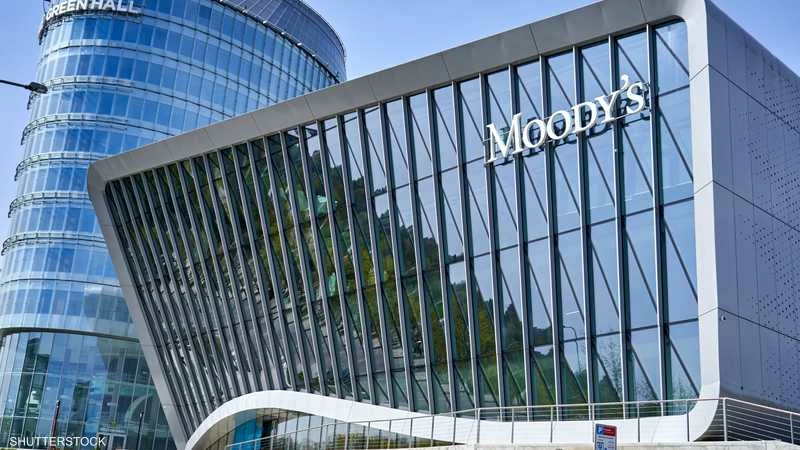
عدّلت وكالة موديز للتصنيف الائتماني نظرتها المستقبلية للعراق من «مستقرة» إلى «سلبية».
وأشارت إلى المخاطر التي تهدد الوضع الائتماني للبلاد نتيجة تأثير الحرب الدائرة في الشرق الأوسط على تدفق الطاقة وعلى الأمن.
وقالت موديز في تقرير: «اعتماد العراق بشكل كبير على قطاع النفط يعني أن أي خلل في الصادرات عبر مضيق هرمز -التي تمثل نحو 90% من صادرات العراق من النفط الخام- سيؤدي إلى انخفاض كبير في تدفقات الدولار والإيرادات المالية».
تراجع إنتاج النفط
وأضافت وكالة موديز في تقريرها: «حتى في حال استمرار وقف إطلاق النار، نتوقع أن يستغرق الأمر بعض الوقت قبل أن تعود حركة النفط عبر المضيق إلى طبيعتها».
وأبقت الوكالة على تصنيف العراق عند «Caa1».
وفي الشهر الماضي، أفاد مسؤولون في قطاع الطاقة بالبلاد بأن إنتاج حقول النفط الرئيسية في جنوب العراق، العضو في منظمة البلدان المصدرة للبترول (أوبك)، انخفض بنحو 80%؛ بسبب الحرب الأمريكية الإيرانية وإغلاق المضيق، مما أدى إلى ارتفاع مخزونات النفط إلى مستويات حرجة.
Moody's Investors Service has revised its outlook for Iraq from "Stable" to "Negative".
It pointed to the risks threatening the country's credit situation due to the impact of the ongoing war in the Middle East on energy flow and security.
Moody's stated in its report: "Iraq's heavy reliance on the oil sector means that any disruption in exports through the Strait of Hormuz—which accounts for about 90% of Iraq's crude oil exports—will lead to a significant decline in dollar flows and financial revenues."
Decline in Oil Production
Moody's added in its report: "Even if a ceasefire continues, we expect it will take some time before oil movement through the strait returns to normal."
The agency maintained Iraq's rating at "Caa1".
Last month, officials in the country's energy sector reported that production from the main oil fields in southern Iraq, a member of the Organization of the Petroleum Exporting Countries (OPEC), had dropped by about 80% due to the U.S.-Iranian war and the closure of the strait, leading to oil inventories rising to critical levels.