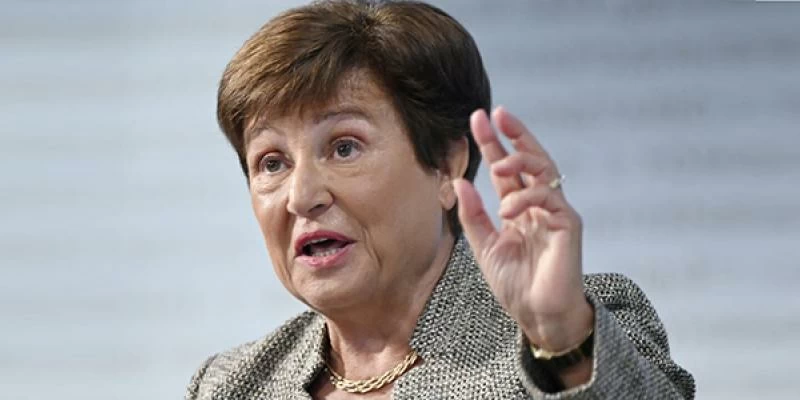
كشفت مديرة صندوق النقد الدولي كريستالينا غورغييفا، أن البنوك المركزية ينبغي عليها ألا تنساق إلى رفع أسعار الفائدة استجابةً للحرب التي يشهدها الشرق الأوسط، لأن ذلك قد يضر بالناتج الاقتصادي.
توقعات التضخم
وأوضحت في مقابلة مع تلفزيون «بلومبيرغ»، اليوم، على هامش اجتماعات الربيع لصندوق النقد والبنك الدوليين في واشنطن أنّه «نظراً إلى أن توقعات التضخم على المدى الطويل لا تزال راسخة ولم تتغيّر، من المهم أن تتحرك البنوك المركزية بحذر».
وقالت: «تلك البنوك التي تتمتع بمصداقية قوية، يمكنها أن تتبنى نهج الانتظار والترقب، وعليها أيضاً أن توجّه إشارة تفيد بجاهزيتها للتحرك إذا لزم الأمر، ولكن من فضلكم لا تتعجلوا.. ما يقلقني هو أنه بسبب 2022، قد تقول البنوك المركزية الآن: لنتحرك بسرعة أكبر، وقد يكون ذلك خطيراً لأنه سيخنق النمو».
خفض النمو
وفي وقت سابق هذا الأسبوع، خفّض صندوق النقد الدولي، وهو المُقرض العالمي في أوقات الأزمات، توقعاته للنمو هذا العام إلى 3.1% بعد أن تسببت حرب إيران في صدمة نفطية كبيرة.
ويتجه المسؤولون بالفعل نحو السيناريو السلبي، مع توقع نمو عند 2.5% هذا العام، ومتوسط مؤشر الأسعار الفورية للنفط عند نحو 100 دولار للبرميل.
The Managing Director of the International Monetary Fund, Kristalina Georgieva, revealed that central banks should not rush to raise interest rates in response to the war in the Middle East, as this could harm economic output.
Inflation Expectations
She explained in an interview with Bloomberg Television today, on the sidelines of the spring meetings of the IMF and World Bank in Washington, that "given that long-term inflation expectations remain anchored and unchanged, it is important for central banks to act cautiously."
She stated: "Those banks that have strong credibility can adopt a wait-and-see approach, and they should also signal their readiness to act if necessary, but please do not rush... What concerns me is that because of 2022, central banks may now say: let's move faster, and that could be dangerous as it will stifle growth."
Growth Downgrade
Earlier this week, the International Monetary Fund, the global lender in times of crisis, downgraded its growth forecast for this year to 3.1% after the Iran war caused a major oil shock.
Officials are already leaning towards a negative scenario, expecting growth at 2.5% this year, with the average spot price index for oil at around $100 per barrel.