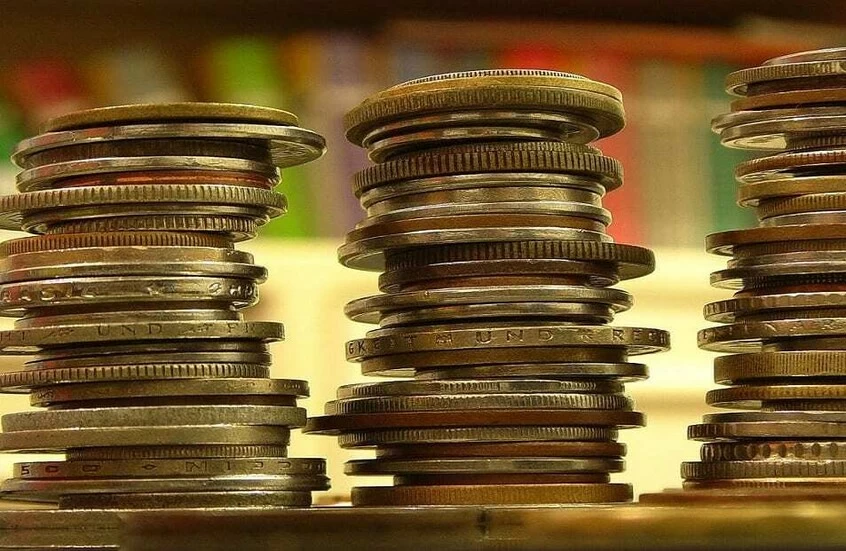
أعلنت مصلحة الخزانة العامة وسك العملة في مصر استكمال الاستعدادات الفنية اللازمة لتحديث بعض العملات المعدنية المتداولة، واستحداث عملة معدنية جديدة من فئة «2 جنيه»، في خطوة تهدف إلى دعم هيكل الفئات النقدية وتيسير المعاملات اليومية للمواطنين.
وأكد رئيس مصلحة الخزانة العامة وسك العملة جمال حسين أن خطة التطوير تشمل الإبقاء على جميع العملات المعدنية المتداولة حالياً دون إلغاء أي فئة، وعلى رأسها فئة الجنيه، مع طرحها بمواصفات فنية محدثة.
ويشمل ذلك تحديث التركيب المعدني (السبيكة) لبعض الفئات، خصوصاً الجنيه، باستخدام خامات اقتصادية تحقق التوازن بين القيمة الاسمية وتكلفة الإنتاج، مما يساهم في الحد من ظاهرة صهر العملات والاتجار غير المشروع بها.
وأضاف حسين أن الخطة تتضمن استحداث عملة معدنية جديدة فئة «2 جنيه»، بما يعزز من كفاءة منظومة «الفكة» ويوفر فئات نقدية أكثر ملاءمة للمعاملات اليومية المتكررة، خصوصاً في المناطق ذات الكثافة السكانية العالية والأنشطة التجارية المكثفة.
وشدد على استمرار تداول الفئات الحالية (ربع الجنيه، ونصف الجنيه، والجنيه) كمكونات أساسية في منظومة الفكة، مع تعزيز ضخ الكميات المناسبة منها إلى الأسواق.
وأوضح رئيس المصلحة أن هذه الإجراءات تأتي ضمن رؤية متكاملة تهدف إلى رفع كفاءة منظومة العملات المعدنية المساعدة، وضمان استدامة إمداد السوق بها بانتظام، مع تحقيق توازن دقيق بين الجوانب الاقتصادية والفنية في عملية الإنتاج.
وتشهد الأسواق المصرية منذ فترة نقصاً ملحوظاً في «الفكة» (العملات المعدنية الصغيرة)، مما أثر على المعاملات اليومية في المواصلات، الأسواق، والخدمات الأساسية، ويعود جزء كبير من هذه الأزمة إلى ظاهرة صهر العملات المعدنية، إذ يقوم بعض الأشخاص بصهرها لاستخراج المعادن الثمينة أو إعادة تدويرها، نظراً لارتفاع تكلفة الخامات مقارنة بالقيمة الاسمية في بعض الفئات.
وتُعد هذه الخطوة جزءاً من جهود الحكومة المصرية لتطوير المنظومة النقدية، ودعم الاقتصاد غير النقدي تدريجياً، وتحسين كفاءة التداول اليومي، مع الحفاظ على دور العملات المعدنية كعنصر أساسي في الحياة الاقتصادية.
The General Treasury and Mint Authority in Egypt announced the completion of the necessary technical preparations to update some of the circulating coins and to introduce a new coin in the denomination of "2 pounds," in a step aimed at supporting the structure of currency denominations and facilitating daily transactions for citizens.
The head of the General Treasury and Mint Authority, Jamal Hussein, confirmed that the development plan includes retaining all currently circulating coins without canceling any denomination, especially the pound, while issuing them with updated technical specifications.
This includes updating the metallic composition (alloy) of some denominations, particularly the pound, using economical materials that achieve a balance between the nominal value and production costs, which contributes to reducing the phenomenon of melting coins and illegal trading in them.
Hussein added that the plan includes the introduction of a new coin in the denomination of "2 pounds," which enhances the efficiency of the "change" system and provides more suitable denominations for frequent daily transactions, especially in densely populated areas and intensive commercial activities.
He emphasized the continued circulation of the current denominations (quarter pound, half pound, and pound) as essential components of the change system, while ensuring the appropriate quantities are supplied to the markets.
The head of the authority explained that these measures are part of a comprehensive vision aimed at enhancing the efficiency of the auxiliary coin system and ensuring a regular supply to the market, while achieving a precise balance between the economic and technical aspects of the production process.
The Egyptian markets have been experiencing a noticeable shortage of "change" (small coins) for some time, which has affected daily transactions in transportation, markets, and essential services. A significant part of this crisis is attributed to the phenomenon of melting coins, as some individuals melt them to extract precious metals or recycle them, due to the high cost of raw materials compared to the nominal value of some denominations.
This step is part of the Egyptian government's efforts to develop the monetary system, gradually support the cashless economy, and improve the efficiency of daily trading, while maintaining the role of coins as a fundamental element in the economic life.