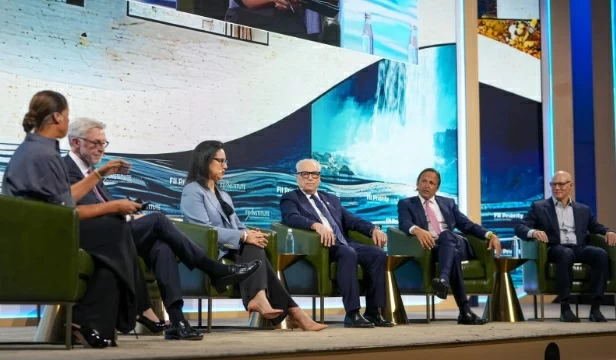
أنهت قمة أولوية ميامي لمؤسسة مبادرة مستقبل الاستثمار أعمالها بعقد حوارات معمقة حول السبل التي تعيد بها التحولات الجذرية صياغة المشهد الاقتصادي العالمي في الوقت الراهن، وكيفية تكيف رأس المال وابتكار أدواته لمواكبة هذه التغيرات.
وخلال الجلسات العامة، قدم المتحدثون رؤى حول الأسواق وإستراتيجيات الاستثمار والتوجه الاقتصادي والمعادن الحرجة، متطرقين إلى عدم الاستقرار الجيوسياسي، وتقلبات قطاع الطاقة، وتفكك سلاسل الإمداد، والأثر التحولي للذكاء الاصطناعي.
منصات استثمارية
وشهدت أعمال القمة نقاشات ركَّزت على التنمية الحضرية الخضراء، إذ أعاد المتحدثون صياغة مفهوم المدن منصاتٍ استثماريةً متكاملةً وطويلة الأجل.
وفي هذا السياق، قال الرئيس التنفيذي لإحدى الشركات العالمية مايكل دايك: «نحن لا نقوم بمجرد إنشاء مجموعة من الأصول، بل نبني مكاناً يرغب الناس حقاً في العيش والعمل والترفيه فيه، وهو ما يغير جذرياً طريقة تفكيرنا في التنمية الحضرية».
وفي جلسة بعنوان «إعادة تعريف إدارة الأصول وسط التغيير المستمر»، استمع الحضور إلى كيفية إعادة تشكيل القطاع بفعل التكنولوجيا وحجم الأعمال والتحولات الهيكلية في السوق، وقالت الرئيس والمدير التنفيذي لإحدى شركات إدارة الاستثمارات يي هسين هونغ: «يتيح الذكاء الاصطناعي إمكانية التخصيص الشامل على نطاق واسع وبتكلفة أقل بكثير، وفي نهاية المطاف، فإن الشركات التي يمكنها تسخير هذه التقنيات لبناء ميزة مستدامة وقيمة تراكمية بمرور الوقت هي التي ستصمد».
ارتفاع التقلبات
وفي حلقة نقاش حول «الآفاق الاقتصادية العالمية»، قال مؤسس إحدى الشركات العالمية جوش هاريس: «في بيئة اليوم، يجب عليك التحرك ببطء شديد، والتركيز على الأصول عالية الجودة، وتوفير رأس المال الجاهز؛ لأننا في بداية فترة ستشهد ارتفاعاً كبيراً في التقلبات بعد سنوات من الاستقرار».
وسلط المتحدثون في نقاشات قطاع الفضاء الضوء على القطاع بصفته محرك نمو إستراتيجي مرتبطاً بالسياسة الصناعية وسلاسل الإمداد العالمية، وقال الرئيس والمدير التنفيذي لإحدى الشركات إريك مارتيل: «من المتوقع أن يتضاعف الطلب على الطيران التجاري خلال الـ20 عاماً القادمة؛ مما سيعيد تشكيل سلاسل الإمداد وتدفقات رأس المال والأولويات الصناعية».
وتكرر موضوع عبر الجلسات وهو كيفية إعادة تقييم المستثمرين لمفهوم الاستثمار في الدول، إذ يتدفق رأس المال بشكل متزايد نحو الأسواق التي تظهر وضوح السياسات واستقرار الأنظمة التنظيمية، والقدرة على التنفيذ على نطاق واسع، والتوافق بين أولويات القطاعين العام والخاص.
وشهدت أعمال القمة طرح السباق على المعادن الحرجة كونها قضية حيوية للاقتصاد العالمي، والركيزة الأساسية لتحول الطاقة، والبنية التحتية للذكاء الاصطناعي، والنمو الصناعي.
تأثير الاضطرابات
وقدم المتحدثون في القمة رؤى مباشرة حول كيفية تأثير الاضطرابات الجيوسياسية في إعادة تشكيل الصناعات العالمية، إذ قال رئيس المجلس العالمي للسفر والسياحة مانفريدي لوفيفر دوفيديو: «تعتمد الرحلات البحرية بشكل كبير على تكلفة الوقود، وهذا يحدث فارقاً كبيراً».
وناقشت جلسة «أي مراكز الحوسبة ستفوز في موجة الذكاء الاصطناعي القادمة؟» السباق العالمي للسيطرة على البنية التحتية للذكاء الاصطناعي، مبرزة كيف تتضافر الطاقة والبيانات والطموحات السيادية لتحديد مراكز القوة الاقتصادية القادمة.
وفي جلسة «بناء أسطورة عالمية لا مجرد منتج ناجح»، كشف الشريك المؤسس لإحدى الشركات ديفيد مايزل، كيف أصبح إيجاد القيمة طويلة الأجل مرتبطاً بشكل متزايد بالقدرة على بناء ملكية فكرية مستدامة وسلاسل ثقافية عابرة للأسواق والمنصات.
واختتمت الجلسات بحديث رئيس الاتحاد الدولي لكرة القدم (فيفا) جياني إنفانتينو، عن «أضخم عرض على وجه الأرض» وهو كأس العالم، وشرح التأثير الاقتصادي والثقافي والإنساني للعبة الشعبية الأولى، قبل أن يستدعي إلى المنصة أسطورة كرة القدم رونالدو لويس نازاريو دي ليما.
The Miami Priority Summit of the Future Investment Initiative concluded its sessions with in-depth discussions on how radical transformations are reshaping the current global economic landscape, and how capital is adapting and innovating its tools to keep pace with these changes.
During the general sessions, speakers provided insights on markets, investment strategies, economic trends, and critical minerals, addressing geopolitical instability, fluctuations in the energy sector, supply chain disruptions, and the transformative impact of artificial intelligence.
Investment Platforms
The summit featured discussions focused on green urban development, where speakers redefined the concept of cities as integrated and long-term investment platforms.
In this context, the CEO of a global company, Michael Dyke, stated: “We are not just creating a collection of assets; we are building a place where people truly want to live, work, and be entertained, which fundamentally changes our thinking about urban development.”
In a session titled “Redefining Asset Management Amid Continuous Change,” attendees learned how the sector is being reshaped by technology, business scale, and structural market transformations. The president and CEO of an investment management firm, Yi Hsin Hong, said: “Artificial intelligence enables comprehensive customization on a much larger scale and at a significantly lower cost. Ultimately, the companies that can harness these technologies to build a sustainable competitive advantage and cumulative value over time are the ones that will endure.”
Increased Volatility
In a panel discussion on “Global Economic Outlook,” the founder of a global company, Josh Harris, remarked: “In today’s environment, you must move very slowly, focus on high-quality assets, and provide ready capital; because we are at the beginning of a period that will see a significant increase in volatility after years of stability.”
Speakers in discussions about the space sector highlighted it as a strategic growth driver linked to industrial policy and global supply chains. The president and CEO of a company, Eric Martel, noted: “Demand for commercial aviation is expected to double over the next 20 years, which will reshape supply chains, capital flows, and industrial priorities.”
A recurring theme throughout the sessions was how investors are reevaluating the concept of investing in countries, as capital increasingly flows toward markets that demonstrate policy clarity, regulatory stability, the ability to execute on a large scale, and alignment between public and private sector priorities.
The summit also addressed the race for critical minerals as a vital issue for the global economy, a cornerstone for energy transition, artificial intelligence infrastructure, and industrial growth.
Impact of Disruptions
Speakers at the summit provided direct insights on how geopolitical disruptions are reshaping global industries. The chairman of the World Travel and Tourism Council, Manfredi Lefebvre D'Ovidio, stated: “Cruise travel heavily relies on fuel costs, and this makes a significant difference.”
The session “Which Computing Centers Will Win in the Coming Wave of Artificial Intelligence?” discussed the global race to control AI infrastructure, highlighting how energy, data, and sovereign ambitions converge to define the next centers of economic power.
In the session “Building a Global Legend, Not Just a Successful Product,” the co-founder of a company, David Maisel, revealed how finding long-term value is increasingly linked to the ability to build sustainable intellectual property and cross-market cultural chains.
The sessions concluded with a talk by FIFA President Gianni Infantino about “the biggest show on earth,” the World Cup, explaining the economic, cultural, and human impact of the world’s most popular game, before inviting football legend Ronaldo Luís Nazário de Lima to the stage.