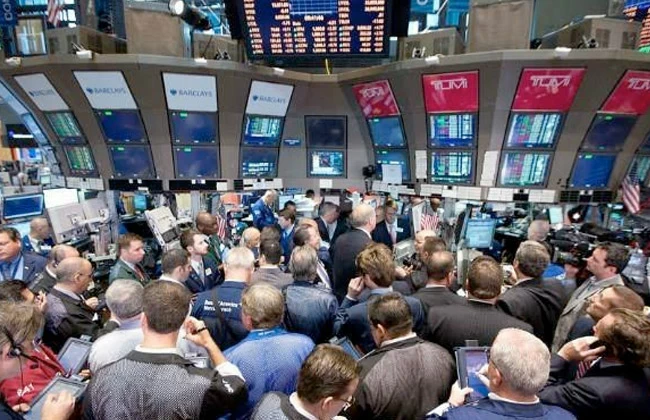
حالة من الأداء السلبي شهدتها الأسواق العالمية، في رابع جلسات الأسبوع، مع ازدياد انعدام اليقين في ظل استمرار التصريحات المتضاربة للإدارة الأمريكية بشأن المفاوضات مع إيران.
وتراجعت البورصات الأمريكية، والأوروبية، واليابانية، والصينية، والكورية الجنوبية في نهاية التعاملات مدفوعةً بالمخاوف التضخمية الناجمة عن صدمة أسعار النفط، والتي أججها تشكيك واشنطن في إمكانية التوصل إلى اتفاق مع طهران.
وصرح الرئيس الأمريكي دونالد ترمب بأنه قد يقرر في أي وقت عدم استكمال المفاوضات، محذراً من أن استمرار تعثر المفاوضات قد يدفع الأمور إلى مسار تصعيدي يصعب احتواؤه.
ورغم ذلك، أرجأ ترمب خطته لاستهداف البنية التحتية للطاقة في إيران لمدة 10 أيام إضافية، قائلاً إنه اتخذ هذا القرار بناءً على طلب من طهران، في وقت أكد فيه وزير الخارجية ماركو روبيو إحراز تقدم في المفاوضات.
ضغوط غير محتملة
وأضفت هذه التطورات مزيداً من الضبابية حول آفاق الصراع الذي بدأت تداعياته تتسع أكثر؛ إذ حذرت الفلبين من أن مخزونات النفط تغطي الاستهلاك المحلي لمدة تصل إلى 45 يوماً فقط، وصعدت أسعار الوقود في تايلند بنسبة 22%، مسجلة أكبر ارتفاع لها منذ عقود.
وأكد مسؤولون تنفيذيون في قطاع التكنولوجيا أن النقص الحاد في إمدادات غاز الهيليوم بات يعيق عمليات الإنتاج، فيما يواجه المزارعون الأمريكيون ضغوطاً وصفت بـ «غير المحتملة» نتيجة القفزة الحادة في تكاليف الأسمدة.
ومنذ بدء الحرب، قفزت أسعار البلاستيك بنسب تصل إلى 38% بسبب اضطراب إمدادات البتروكيماويات عبر مضيق هرمز، بينما حذرت كبريات شركات التجزئة العالمية من أن استمرار الصراع قد يضطرها إلى رفع أسعار البيع للمستهلكين.
A state of negative performance was witnessed in global markets during the fourth session of the week, amid increasing uncertainty due to the continued conflicting statements from the U.S. administration regarding negotiations with Iran.
U.S., European, Japanese, Chinese, and South Korean stock exchanges declined at the end of trading, driven by inflationary concerns stemming from the shock of oil prices, which were fueled by Washington's skepticism about the possibility of reaching an agreement with Tehran.
U.S. President Donald Trump stated that he might decide at any time to halt the negotiations, warning that the continued stalemate could push matters into a difficult-to-contain escalation.
Despite this, Trump postponed his plan to target Iran's energy infrastructure for an additional 10 days, saying he made this decision at Tehran's request, while Secretary of State Marco Rubio confirmed progress in the negotiations.
Unbearable Pressures
These developments added further ambiguity to the prospects of the conflict, the repercussions of which are beginning to widen; the Philippines warned that oil stocks cover local consumption for only up to 45 days, and fuel prices in Thailand surged by 22%, marking their largest increase in decades.
Executives in the technology sector confirmed that the severe shortage of helium supplies is hindering production operations, while American farmers are facing what has been described as "unbearable" pressures due to the sharp rise in fertilizer costs.
Since the start of the war, plastic prices have jumped by up to 38% due to disruptions in petrochemical supplies through the Strait of Hormuz, while major global retail companies warned that the continuation of the conflict may force them to raise consumer prices.