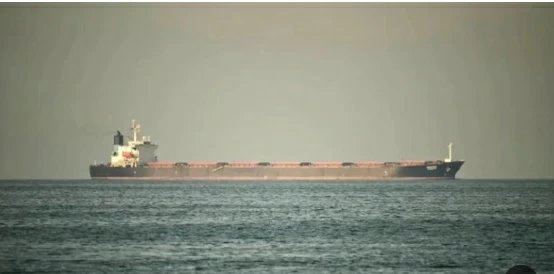
أدى إغلاق مضيق هرمز إلى منع مرور20% من النفط والغاز الطبيعي المسال في العالم، منذ أن بدأت الولايات المتحدة وإسرائيل حربها ضد إيران، ما تسبب في انخفاض حاد بالإمدادات.
ووصفت وكالة الطاقة الدولية ما يحدث في قطاع الطاقة العالمي بأنه أسوأ اضطراب عالمي في قطاع الطاقة في التاريخ، متجاوزاً حتى حظر النفط العربي عام 1973، إذ فقد السوق نحو 400 مليون برميل نفط، ولامست أسعار برنت 120 دولاراً للبرميل. وقفزت أسعار الغاز في أوروبا لمستويات قياسية منذ بدء الحرب.
وقف الإنتاج
وسجلت أسعار وقود الطائرات في أوروبا مستوى قياسياً بلغ نحو 220 دولاراً للبرميل، وهي تكلفة من المرجح أن تنعكس سريعاً على أسعار تذاكر الطيران.
أسعار النفط، انعكست أيضاً على المنتجات التي تحتوي على النيتروجين مثل اليوريا، وهي أهم منتجات الأسمدة، بنسبة تتراوح بين 30 و40% منذ بدء الصراع.
وتتحرك مصانع الأسمدة في الهند وبنغلادش وماليزيا باتجاه وقف الطلبات أو خفض الإنتاج أو الإغلاق التام بسبب نقص المواد الأولية.
من جهته، قال كبير مسؤولي الاستثمار في إحدى الشركات العالمية دان بيكرينج: «لا يمكن التغلب على هذه الأزمة بالتوفير، فما سيحدث هو ارتفاع الأسعار إلى درجة تجعل الناس يتوقفون عن الاستهلاك».
وأضاف نائب الرئيس الأول بإحدى شركات الاستشارات أديتيا ساراسوات: «اتساع نطاق المخاطر هنا في مجال الوقود والمواد الكيميائية والغاز الطبيعي المسال ومدخلات الأسمدة هو ما يجعل هذه المرة مختلفة نوعياً عن الحلقات السابقة من سلسلة التوتر في منطقة الخليج».
The closure of the Strait of Hormuz has prevented the passage of 20% of the world's oil and liquefied natural gas since the United States and Israel began their war against Iran, leading to a sharp decline in supplies.
The International Energy Agency described what is happening in the global energy sector as the worst global disruption in the energy sector in history, surpassing even the Arab oil embargo of 1973, as the market lost about 400 million barrels of oil, and Brent prices approached $120 per barrel. Gas prices in Europe have surged to record levels since the war began.
Production Halt
Jet fuel prices in Europe reached a record level of about $220 per barrel, a cost that is likely to quickly reflect on air ticket prices.
Oil prices have also affected products containing nitrogen, such as urea, which is the most important fertilizer product, with an increase ranging between 30% and 40% since the conflict began.
Fertilizer factories in India, Bangladesh, and Malaysia are moving towards halting orders, reducing production, or complete shutdowns due to a shortage of raw materials.
For his part, the Chief Investment Officer at a global company, Dan Pickering, said: "This crisis cannot be overcome by saving; what will happen is a rise in prices to a level that will make people stop consuming."
Aditya Saraswat, Senior Vice President at a consulting firm, added: "The widening scope of risks here in the areas of fuel, chemicals, liquefied natural gas, and fertilizer inputs is what makes this time qualitatively different from previous episodes of tension in the Gulf region."