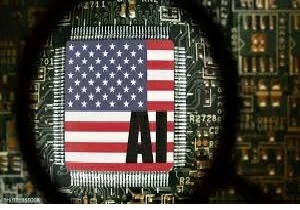
دخل البيت الأبيض في حالة «طوارئ تقنية» غير مسبوقة، بعد تقارير استخباراتية حذرت من جيل جديد من نماذج الذكاء الاصطناعي التي لم تعد مجرد أدوات دردشة، بل تحولت إلى «قنابل برمجية» قادرة على شلّ عصب الحياة في الولايات المتحدة.
القلق انفجر بعد تحذيرات صريحة من نائب الرئيس الأمريكي جيه دي فانس، بشأن نموذج متطور يدعى «Mythos» (تطوره شركة Anthropic). وتكمن الخطورة في قدرة هذا النموذج «الذاتية» على اكتشاف ثغرات برمجية معقدة واختراقها دون تدخل بشري، مما يضع المستشفيات، والبنوك، ومحطات المياه في مرمى هجمات إلكترونية لا يمكن صدها بالطرق التقليدية.
وكشفت صحيفة The Wall Street Journal عن اتصال سري ومطول جمع فانس بأقطاب التكنولوجيا: إيلون ماسك، وسام ألتمان، وساندر بيتشاي، وساتيا ناديلا. وكانت الرسالة واضحة: «الابتكار لم يعد الأولوية القصوى، فالأمن القومي في خطر». هذا التوجه دفع الإدارة الأمريكية لدراسة أمر تنفيذي يفرض «رقابة حديدية» على النماذج الأكثر تطوراً، في تراجع مفاجئ عن سياسة «الانفتاح المطلق» لمنافسة الصين.
هل تسقط أمريكا أمام التنين؟
هذا الاستنفار فجّر صراعاً داخلياً في واشنطن، فبينما يرى فريق ضرورة لجم هذه التقنيات قبل حدوث «كارثة إلكترونية»، يرى آخرون أن القيود ستمنح الصين نصراً تقنياً مجانياً. وفي ظل هذا التوتر، كشفت شركة OpenAI أنها فرضت قيوداً «قصوى» على نموذجها الأمني الجديد «GPT-5.5-Cyber» بعد مشاورات أمنية مع الحكومة.
وتأتي هذه التسريبات قبل قمة مرتقبة تجمع الرئيس دونالد ترمب بنظيره الصيني شي جين بينغ، حيث بات الذكاء الاصطناعي ليس مجرد ملف تقني، بل «سلاحاً استراتيجياً» قد يحدد موازين القوى العالمية في السنوات القادمة.
ولم يعد السؤال اليوم هو «ماذا يمكن للذكاء الاصطناعي أن يفعل؟»، بل «كيف يمكننا منعه من تدمير ما بنيناه؟». ويمكن القول إن واشنطن اليوم تسابق الزمن للسيطرة على وحش رقمي بدأ يخرج عن طوع صانعيه.
The White House has entered an unprecedented state of "technical emergency," following intelligence reports warning of a new generation of artificial intelligence models that are no longer just chat tools, but have turned into "software bombs" capable of crippling the lifeblood of the United States.
The concern exploded after explicit warnings from U.S. Vice President J.D. Vance regarding an advanced model called "Mythos" (developed by Anthropic). The danger lies in this model's "autonomous" ability to discover and exploit complex software vulnerabilities without human intervention, putting hospitals, banks, and water stations in the crosshairs of cyberattacks that cannot be repelled by traditional means.
The Wall Street Journal revealed a lengthy and secretive call that brought Vance together with tech moguls: Elon Musk, Sam Altman, Sundar Pichai, and Satya Nadella. The message was clear: "Innovation is no longer the top priority; national security is at risk." This shift has prompted the U.S. administration to consider an executive order imposing "ironclad oversight" on the most advanced models, marking a sudden retreat from the policy of "absolute openness" to compete with China.
Will America Fall Before the Dragon?
This alert has ignited an internal conflict in Washington, as some see the necessity to rein in these technologies before a "cyber disaster" occurs, while others believe that restrictions will grant China a free technical victory. Amid this tension, OpenAI revealed that it has imposed "maximum" restrictions on its new security model "GPT-5.5-Cyber" after security consultations with the government.
These leaks come ahead of an anticipated summit between President Donald Trump and his Chinese counterpart Xi Jinping, where artificial intelligence has become not just a technical file, but a "strategic weapon" that could determine the balance of global power in the coming years.
Today, the question is no longer "What can artificial intelligence do?" but rather "How can we prevent it from destroying what we have built?" It can be said that Washington is racing against time to control a digital monster that is beginning to escape the grasp of its creators.