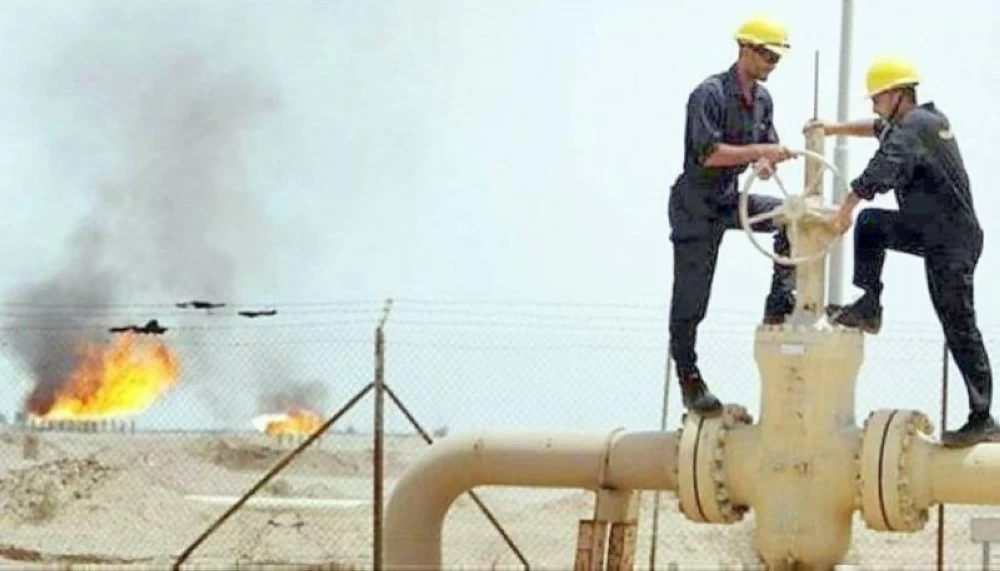
تترقب الأسواق اجتماعاً عبر الإنترنت لتحالف «أوبك+» الذي يضم منظمة البلدان المصدرة للنفط (أوبك) وحلفاءها، في الرابع من يناير الجاري.
وانخفضت أسعار النفط في أول أيام التداول في 2026 بعد أن تكبدت العام الماضي أكبر خسارة سنوية لها منذ 2020، مع تقييم المستثمرين مخاوف فائض العرض والمخاطر الجيوسياسية، ومن بينها الحرب في أوكرانيا وصادرات فنزويلا.
وانخفضت العقود الآجلة لخام برنت 10 سنتات إلى 60.75 دولار للبرميل عند التسوية، وتراجع خام غرب تكساس الوسيط 10 سنتات إلى 57.32 دولار للبرميل عند التسوية.
المعروض والرسوم
وسجل الخامان برنت وغرب تكساس الوسيط القياسيان خسائر سنوية تقارب 20% في 2025، وهي الأكبر منذ 2020، إذ طغت المخاوف بشأن زيادة المعروض والرسوم الجمركية على تأثير المخاطر الجيوسياسية.
وكان هذا هو العام الثالث على التوالي الذي يتكبد فيه برنت خسائر، في أطول سلسلة من هذا القبيل.
وتبادلت روسيا وأوكرانيا الاتهامات بشن هجمات على المدنيين في أول أيام السنة الجديدة رغم المحادثات المكثفة التي يقودها الرئيس الأمريكي دونالد ترمب الرامية إلى إنهاء الحرب المستمرة نحو 4 سنوات.
وكثفت كييف ضرباتها على البنية التحتية للطاقة في روسيا خلال الأشهر الماضية؛ بهدف قطع مصادر تمويل موسكو لحملتها العسكرية في أوكرانيا.
نطاق طويل الأجل
وقال كبير المحللين في إحدى مجموعة الشركات المتخصصة في القطاع فيل فلين: «لم تتأثر سوق النفط على ما يبدو رغم كل هذه المخاوف الجيوسياسية، فأسعار النفط حبيسة نطاق تداول طويل الأجل، وهناك شعور بأن السوق ستكون فيها إمدادات كافية مهما حدث».
وأضافت كبيرة المحللين في إحدى الشركات: «إن المتعاملين يتوقعون على نطاق واسع أن يواصل تحالف «أوبك+» تعليق زيادة الإنتاج مؤقتاً في الربع الأول، وسيكون 2026 عاماً مهماً في تقييم قرارات «أوبك+» لموازنة العرض». وأشارت إلى أن الصين ستواصل رفع مخزونات الخام في النصف الأول من العام الحالي.
The markets are anticipating an online meeting of the "OPEC+" alliance, which includes the Organization of the Petroleum Exporting Countries (OPEC) and its allies, on January 4th.
Oil prices fell on the first trading day of 2026 after experiencing their largest annual loss since 2020 last year, as investors assessed concerns over oversupply and geopolitical risks, including the war in Ukraine and Venezuela's exports.
Brent crude futures fell by 10 cents to settle at $60.75 per barrel, while West Texas Intermediate crude dropped by 10 cents to settle at $57.32 per barrel.
Supply and Tariffs
Both Brent and West Texas Intermediate crude recorded annual losses of nearly 20% in 2025, the largest since 2020, as concerns over increased supply and tariffs overshadowed the impact of geopolitical risks.
This marked the third consecutive year that Brent has incurred losses, the longest such streak.
Russia and Ukraine exchanged accusations of attacking civilians on the first day of the new year despite intense talks led by U.S. President Donald Trump aimed at ending the nearly four-year-long war.
Kyiv has intensified its strikes on energy infrastructure in Russia over the past few months, aiming to cut off Moscow's funding sources for its military campaign in Ukraine.
Long-Term Outlook
Phil Flynn, a senior analyst at a specialized sector firm, stated: "The oil market does not seem to be affected by all these geopolitical concerns; oil prices are trapped in a long-term trading range, and there is a sense that the market will have sufficient supplies no matter what happens."
Another senior analyst at a firm added: "Traders widely expect the OPEC+ alliance to continue to suspend production increases temporarily in the first quarter, and 2026 will be an important year in assessing OPEC+'s decisions to balance supply." She noted that China will continue to raise crude inventories in the first half of this year.