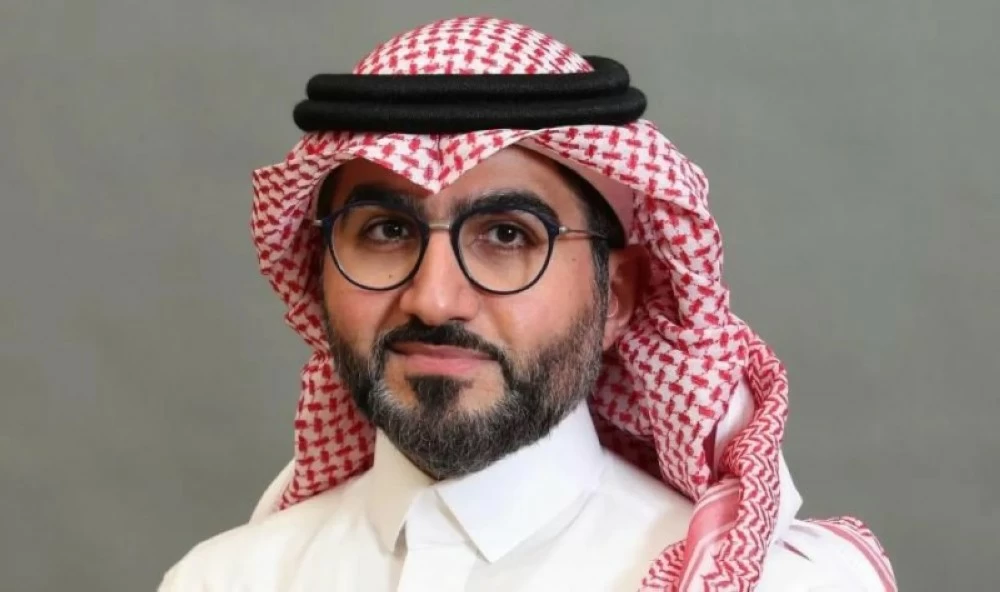
أكد نائب وزير الرياضة بدر القاضي أن الفعاليات الرياضية الكبرى والمنشآت الحديثة أسهمت في تعزيز دور القطاع الرياضي داخل الاقتصاد الوطني، والرياضة أصبحت اليوم قطاعًا تنمويًا متكاملًا يمتد أثره على الفرد والمجتمع والاقتصاد.
وأوضح القاضي أن الفعاليات الرياضية ليست غاية بحد ذاتها، بل أداة إستراتيجية لرفع معدلات ممارسة النشاط البدني، وتمكين المواهب، وتحسين جودة منظومة الأداء الرياضي، حيث ارتفعت نسبة ممارسة الرياضة من 13% في 2015 إلى 59% في العام الماضي، وهي قفزة تعكس حجم التطور الذي شهده القطاع.
وأشار إلى أن استضافة بطولة التنس WTA Finals كان لها أثر كبير في نشر اللعبة، إذ ارتفع عدد أندية التنس من 72 ناديًا في 2019 إلى نحو 180 ناديًا حاليًا بنسبة نمو 140%، فيما مارس أكثر من 50 ألف طالب وطالبة رياضة التنس حتى عام 2025، كما أسهمت فعالية «ساعة الملاكمة» في زيادة الإقبال على الملاكمة وارتفاع عدد الأندية والمراكز المتخصصة.
وأكد القاضي أن استضافة الفعاليات الكبرى تنعكس أيضًا على أداء الرياضيين السعوديين عبر تعزيز الحافز وتطوير المستويات، مستشهدًا بتحسن النتائج في ألعاب التضامن الإسلامي مقارنة بالترتيب الخامس عشر في نسخة 2021.
وشدد على استمرار المملكة في استضافة الفعاليات العالمية لتعزيز اقتصاد الرياضة، ورفع معدلات الممارسة، وتمكين المواهب، وتحقيق مستهدفات رؤية 2030 في بناء قطاع رياضي مستدام ومؤثر عالميًا.
The Deputy Minister of Sports, Badr Al-Qadi, confirmed that major sporting events and modern facilities have contributed to enhancing the role of the sports sector within the national economy, and sports have today become a comprehensive developmental sector whose impact extends to individuals, society, and the economy.
Al-Qadi explained that sporting events are not an end in themselves, but rather a strategic tool to increase physical activity rates, empower talents, and improve the quality of the sports performance system. The percentage of people practicing sports has risen from 13% in 2015 to 59% last year, a leap that reflects the extent of development witnessed in the sector.
He pointed out that hosting the WTA Finals tennis tournament had a significant impact on promoting the sport, as the number of tennis clubs increased from 72 in 2019 to nearly 180 currently, representing a growth rate of 140%. Additionally, more than 50,000 male and female students practiced tennis by the year 2025, and the "Boxing Hour" event contributed to increasing interest in boxing and the rise in the number of specialized clubs and centers.
Al-Qadi affirmed that hosting major events also reflects positively on the performance of Saudi athletes by enhancing motivation and developing levels, citing the improvement in results in the Islamic Solidarity Games compared to the fifteenth place in the 2021 edition.
He emphasized the Kingdom's continued commitment to hosting global events to enhance the sports economy, increase participation rates, empower talents, and achieve the objectives of Vision 2030 in building a sustainable and globally influential sports sector.