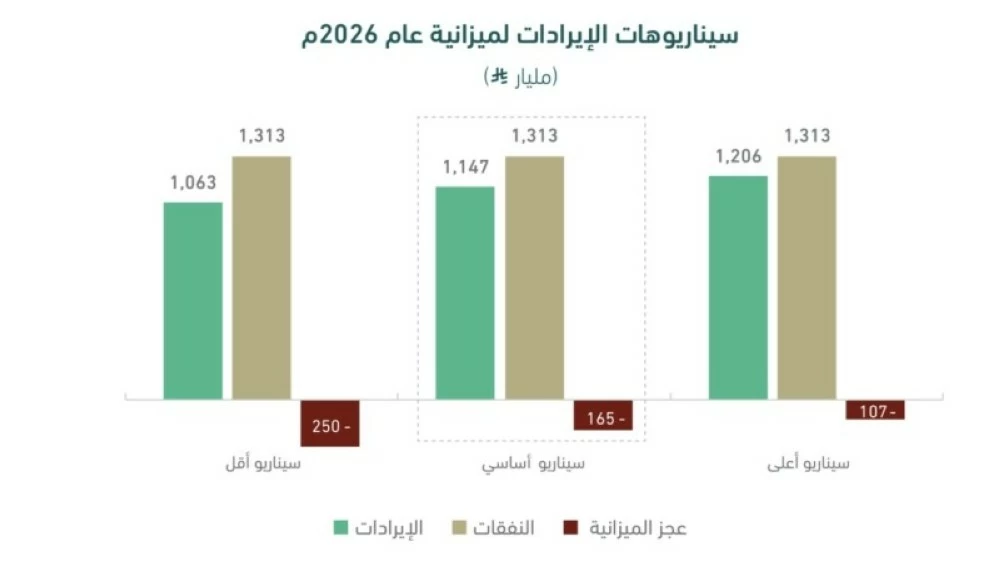
تواصل الحكومة السعودية في العام المالي 2026 وعلى المدى المتوسط العمل على رفع كفاءة المالية العامة، في إطار توجه يستهدف مواجهة المتغيرات الاقتصادية والتحديات المحتملة عبر سياسات مالية أكثر انضباطاً وفاعلية.
وتركّز الميزانية على تحقيق فوائض قطاعية تُمكّن من تنفيذ المشاريع والبرامج ذات العائد الاقتصادي والاستدامة، بما يعزز قدرة الاقتصاد الوطني على الحفاظ على مسار نمو مستقر، وتوسيع قاعدة الأنشطة المنتجة.
ويأتي الالتزام بأهداف سقف الإنفاق التنموي والاجتماعي كإحدى الركائز الرئيسية لهذه المرحلة، إذ تؤكد الميزانية دور الانضباط المالي في حماية الموارد، وترسيخ الاستدامة، وتوجيه الإنفاق نحو القطاعات الأكثر تأثيراً في الناتج المحلي. وتعمل الحكومة على الجمع بين رفع الكفاءة وترشيد الهدر من جهة، وتعزيز الاستثمار في المشاريع ذات الأثر الاقتصادي الطويل من جهة أخرى، بما يضمن الاستمرارية والإنتاجية على المستوى الوطني.
ويرى الخبير الاقتصادي أحمد الشهري، المتخصص في السياسات الاقتصادية، أن هذا التوجه يعكس إستراتيجية مالية أكثر نضجاً، موضحاً أن السعودية «تواصل سياسة الإنفاق التوسعي الإستراتيجي كسياسة مالية معاكسة لمقاومة التباطؤ العالمي وتحفيز النمو غير النفطي». ويؤكد الشهري أن الجمع بين الفوائض القطاعية والانضباط المالي «يوفر بيئة مرنة وقادرة على امتصاص الصدمات، ويعزز قدرة الاقتصاد على توليد القيمة المضافة واستدامة النمو».
The Saudi government continues in the fiscal year 2026 and in the medium term to work on enhancing the efficiency of public finances, within a framework aimed at addressing economic changes and potential challenges through more disciplined and effective financial policies.
The budget focuses on achieving sectoral surpluses that enable the implementation of projects and programs with economic returns and sustainability, thereby enhancing the national economy's ability to maintain a stable growth trajectory and expand the base of productive activities.
The commitment to the goals of the developmental and social spending ceiling comes as one of the main pillars of this phase, as the budget emphasizes the role of financial discipline in protecting resources, establishing sustainability, and directing spending towards the sectors that have the most impact on the gross domestic product. The government is working to combine improving efficiency and reducing waste on one hand, and enhancing investment in projects with long-term economic impact on the other, ensuring continuity and productivity at the national level.
Economic expert Ahmed Al-Shahri, who specializes in economic policies, believes that this approach reflects a more mature financial strategy, explaining that Saudi Arabia "continues its strategic expansionary spending policy as a counter-cyclical financial policy to resist global slowdown and stimulate non-oil growth." Al-Shahri confirms that the combination of sectoral surpluses and financial discipline "provides a flexible environment capable of absorbing shocks and enhances the economy's ability to generate added value and sustain growth."