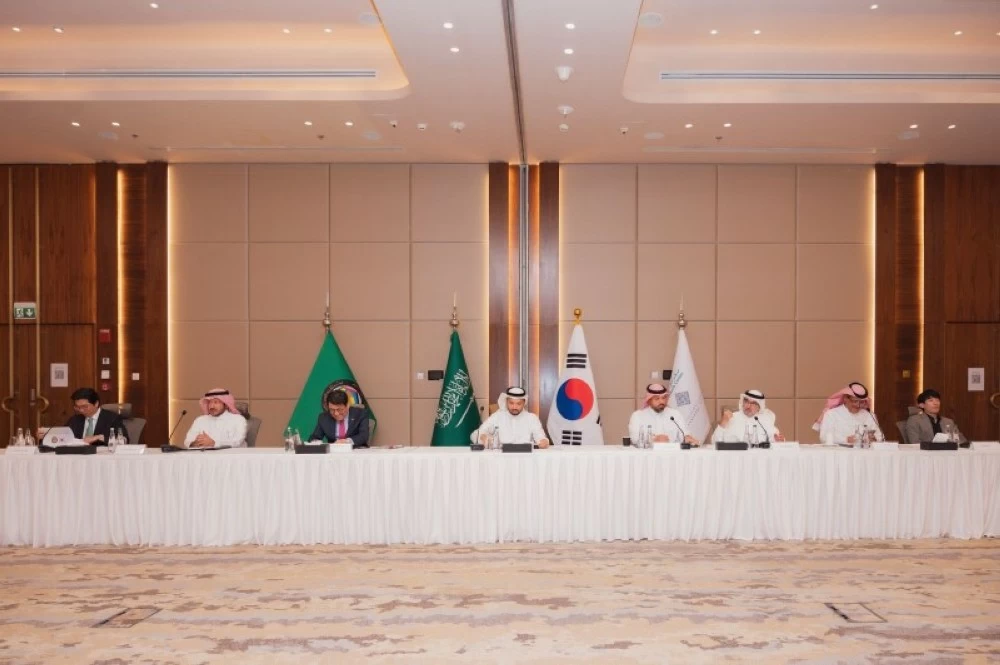
شهدت الرياض انعقاد الندوة الثانية للتعاون بين كوريا ودول مجلس التعاون الخليجي، التي ناقش خلالها خبراء الجانبين آفاق الشراكات في مجالات الطاقة والتقنية المتقدمة، في ظل تنامي الاهتمام العالمي بالذكاء الاصطناعي ومراكز البيانات والتحولات الجارية في قطاع الطاقة.
واستعرضت الجلسات تطور التعاون الكوري–الخليجي من الطاقة التقليدية إلى مجالات تشمل الذكاء الاصطناعي والبيانات والدفاع والفضاء والطاقة المتجددة والهيدروجين، معتبرة أن الطلب المتزايد على الطاقة نتيجة توسع استخدامات الذكاء الاصطناعي يستدعي مزيجاً متوازناً من مصادر الطاقة المختلفة.
كما أبرز المشاركون الفرص المستقبلية في الاقتصاد الدائري للكربون والنقل الذكي، مؤكدين أهمية تعزيز الشراكات البحثية والصناعية لتهيئة دول المنطقة للتحولات العالمية في قطاعي التقنية والطاقة.
وخلصت الندوة إلى توقعات بتوسع المشاريع المشتركة خلال المرحلة القادمة، خصوصاً في الطاقة النظيفة والتقنيات المتقدمة، بما ينسجم مع توجهات دول الخليج نحو تنويع الاقتصاد وتعزيز الاستثمار في الابتكار.
وبهذه المناسبة، أكد القائم بالأعمال في سفارة كوريا بالرياض السفير مون بيونغ-جون لـ«عكاظ» أن دول مجلس التعاون تُعد شريكاً رئيسياً لبلاده في مستقبل الطاقة والتقنيات المتقدمة، مشيراً إلى أن التحولات العالمية، خصوصاً في الذكاء الاصطناعي ومراكز البيانات، تجعل التعاون مع دول الخليج أكثر أهمية.
وقال: «أصبحت الرياض مركزاً حيوياً للنقاشات الإستراتيجية التي ستُشكّل ملامح المرحلة القادمة»، موضحاً تطلع بلاده إلى توسيع المشاريع المشتركة في الطاقة النظيفة والبحث والتطوير، بما يعزز أمن الطاقة ويدعم بناء اقتصاد قائم على الابتكار.
Riyadh hosted the second seminar on cooperation between Korea and the Gulf Cooperation Council countries, during which experts from both sides discussed the prospects for partnerships in the fields of energy and advanced technology, in light of the growing global interest in artificial intelligence, data centers, and the ongoing transformations in the energy sector.
The sessions reviewed the development of Korean-GCC cooperation from traditional energy to areas including artificial intelligence, data, defense, space, renewable energy, and hydrogen, considering that the increasing demand for energy due to the expanding uses of artificial intelligence necessitates a balanced mix of different energy sources.
Participants also highlighted future opportunities in the circular carbon economy and smart transportation, emphasizing the importance of enhancing research and industrial partnerships to prepare the countries in the region for global transformations in the technology and energy sectors.
The seminar concluded with expectations for the expansion of joint projects in the upcoming phase, particularly in clean energy and advanced technologies, aligning with the Gulf countries' trends towards economic diversification and enhancing investment in innovation.
On this occasion, the Chargé d'Affaires at the Korean Embassy in Riyadh, Ambassador Moon Byung-jun, confirmed to "Okaz" that the Gulf Cooperation Council countries are a key partner for his country in the future of energy and advanced technologies, noting that global transformations, particularly in artificial intelligence and data centers, make cooperation with the Gulf countries more important.
He stated: "Riyadh has become a vital center for strategic discussions that will shape the features of the upcoming phase," explaining his country's aspiration to expand joint projects in clean energy and research and development, which enhances energy security and supports the building of an innovation-based economy.