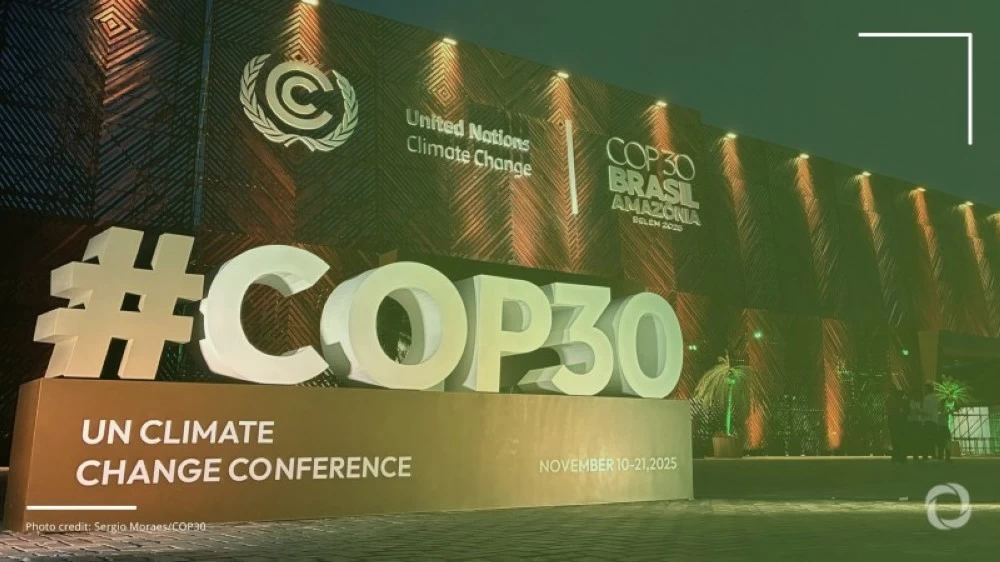
توقع تقرير حديث أن تسهم التحديثات المناخية المتوقع إطلاقها في مؤتمر الأطراف الثلاثين لاتفاقية الأمم المتحدة الإطارية لتغيّر المناخ (كوب 30) في خفض نسبة الانبعاثات العالمية لثاني أكسيد الكربون 25% بحلول عام 2035.
وأضاف تقرير «ريستاد إنرجي» لتحليلات الطاقة، عن تحليل أكثر من 400 مساهمة وطنية تاريخية ومُحدّثة لتقييم مدى توافق النظام العالمي للطاقة مع أهداف اتفاق باريس، والتي تركّز معظم المساهمات على إزالة الكربون قصيرة الأجل في مجالات الكهرباء والطاقة والنقل، مع وضع أهداف واضحة لمصادر الطاقة المتجددة واعتماد المركبات الكهربائية (EV)، فضلاً عن الوقود البديل وتقنيات التقاط الكربون واستخدامه وتخزينه (CCUS) للقطاعات صعبة الخفض.
ويقول التحليل: «إن الدول الموقّعة على اتفاق باريس تقدّم هذا العام التزاماتها ضمن NDC 3.0، وبينما تبدو العديد من الأهداف أكثر طموحا، وهو ما يعكس معظم ذلك تغييراً في الجداول الزمنية من 2030 إلى 2035، بدلاً من أي تحرك سياسي أقوى، لذلك وفقاً لتقييمنا، تتوقع أحدث المساهمات الوطنية مساراً متسقاً مع مسار 1.7 درجة مئوية بحلول 2035، وقد يؤدي التنفيذ الكامل لهذه التعهدات إلى خفض الانبعاثات بنحو 25% (10 غيغا طن) من المستويات الحالية بحلول 2035».
A recent report predicts that the climate updates expected to be launched at the 30th Conference of the Parties to the United Nations Framework Convention on Climate Change (COP 30) will contribute to a 25% reduction in global carbon dioxide emissions by 2035.
The report from "Rystad Energy" for energy analysis, which examined over 400 historical and updated national contributions to assess the alignment of the global energy system with the goals of the Paris Agreement, indicates that most contributions focus on short-term carbon removal in the fields of electricity, energy, and transportation, with clear targets for renewable energy sources and the adoption of electric vehicles (EVs), as well as alternative fuels and carbon capture, utilization, and storage (CCUS) technologies for hard-to-abate sectors.
The analysis states: "Countries that are signatories to the Paris Agreement are presenting their commitments this year under NDC 3.0, and while many of the targets appear more ambitious, most of this reflects a shift in timelines from 2030 to 2035, rather than any stronger political action. Therefore, according to our assessment, the latest national contributions anticipate a trajectory consistent with a 1.7-degree Celsius pathway by 2035, and full implementation of these commitments could lead to a reduction in emissions of about 25% (10 gigatons) from current levels by 2035."