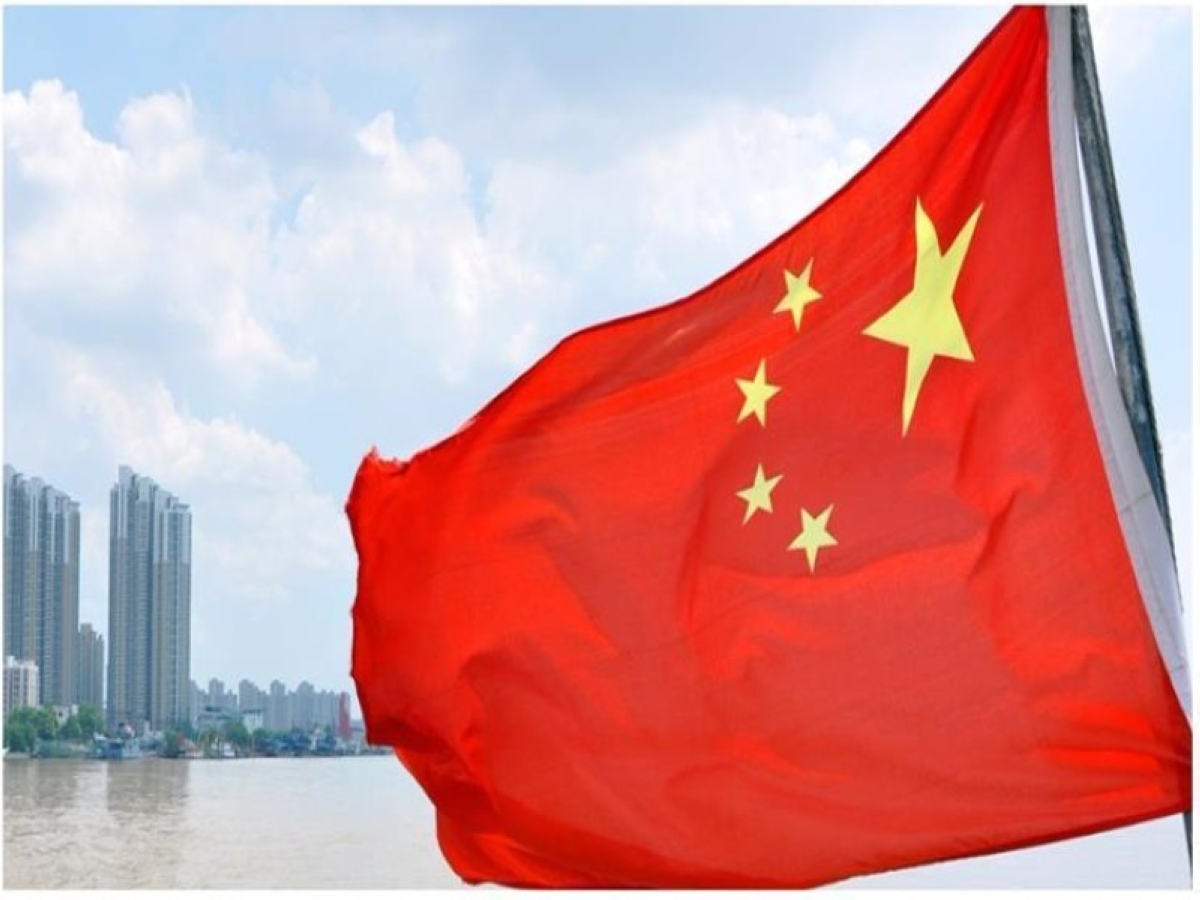
تعهد البنك المركزي الصيني بالحفاظ على استقرار أسواق المال والسندات والصرف الأجنبي في البلاد، مبينًا أنه سوف يعزز تدويل اليوان لتوسيع استخدامه في المدفوعات عبر الحدود.
وجدد بنك الشعب الصيني في بيان صدر في وقت متأخر، اعتزامه «تعميق إصلاح» آلية سعر صرف اليوان مع إبقاء العملة مستقرة عند مستوى «معقول ومتوازن».
وأشار إلى أنه سوف يقوم بتحسين تطوير سوق اليوان في الخارج، وتعزيز مكانة شنغهاي وهونج كونج مركزين ماليين دوليين.
وقال البنك في البيان:«إنه ملتزم بتحقيق التوازن بين دعم النمو الاقتصادي والحفاظ على صحة القطاع المالي».
سياسات مالية ونقدية
وتوقع مستشار البنك المركزي وأستاذ في جامعة بكين هوانغ ييبينغ، أن تتبنى الصين سياسات مالية ونقدية أكثر دعماً لتعزيز اقتصادها البطيء النمو.
وأوضح هوانغ أن المؤشرات الاقتصادية عالية التردد، بما في ذلك أرقام الصادرات، أظهرت أداءً جيداً، لكنه أشار إلى أن المؤشرات المتعلقة بالمزاج والثقة والتوقعات كانت أضعف بكثير، ما يعكس بعض القلق بين المستهلكين والشركات.
وأكد هوانغ أن السياسات الكلية والصناعية والإصلاحية تمثل أبرز أولويات الحكومة، وقال هوانغ خلال مؤتمر القمة السنوي في شنغهاي: الأرجح أن تصبح السياسات المالية والنقدية أكثر دعماً للنمو، لكن لا ينبغي توقع توسع هائل؛ على الهامش فقط ستصبح أكثر دعماً.
The People's Bank of China has pledged to maintain stability in the country's money, bond, and foreign exchange markets, stating that it will enhance the internationalization of the yuan to expand its use in cross-border payments.
The People's Bank of China reiterated in a late statement its intention to "deepen the reform" of the yuan's exchange rate mechanism while keeping the currency stable at a "reasonable and balanced" level.
It noted that it will improve the development of the yuan market abroad and enhance the status of Shanghai and Hong Kong as international financial centers.
The bank stated in the announcement: "It is committed to achieving a balance between supporting economic growth and maintaining the health of the financial sector."
Financial and Monetary Policies
Huang Yiping, an advisor to the central bank and a professor at Peking University, predicted that China would adopt more supportive financial and monetary policies to boost its sluggish economy.
Huang explained that high-frequency economic indicators, including export figures, showed good performance, but he noted that indicators related to sentiment, confidence, and expectations were much weaker, reflecting some concerns among consumers and businesses.
Huang emphasized that macroeconomic, industrial, and reform policies represent the government's top priorities, stating during the annual summit in Shanghai: "It is likely that financial and monetary policies will become more supportive of growth, but a huge expansion should not be expected; it will only become more supportive on the margins."