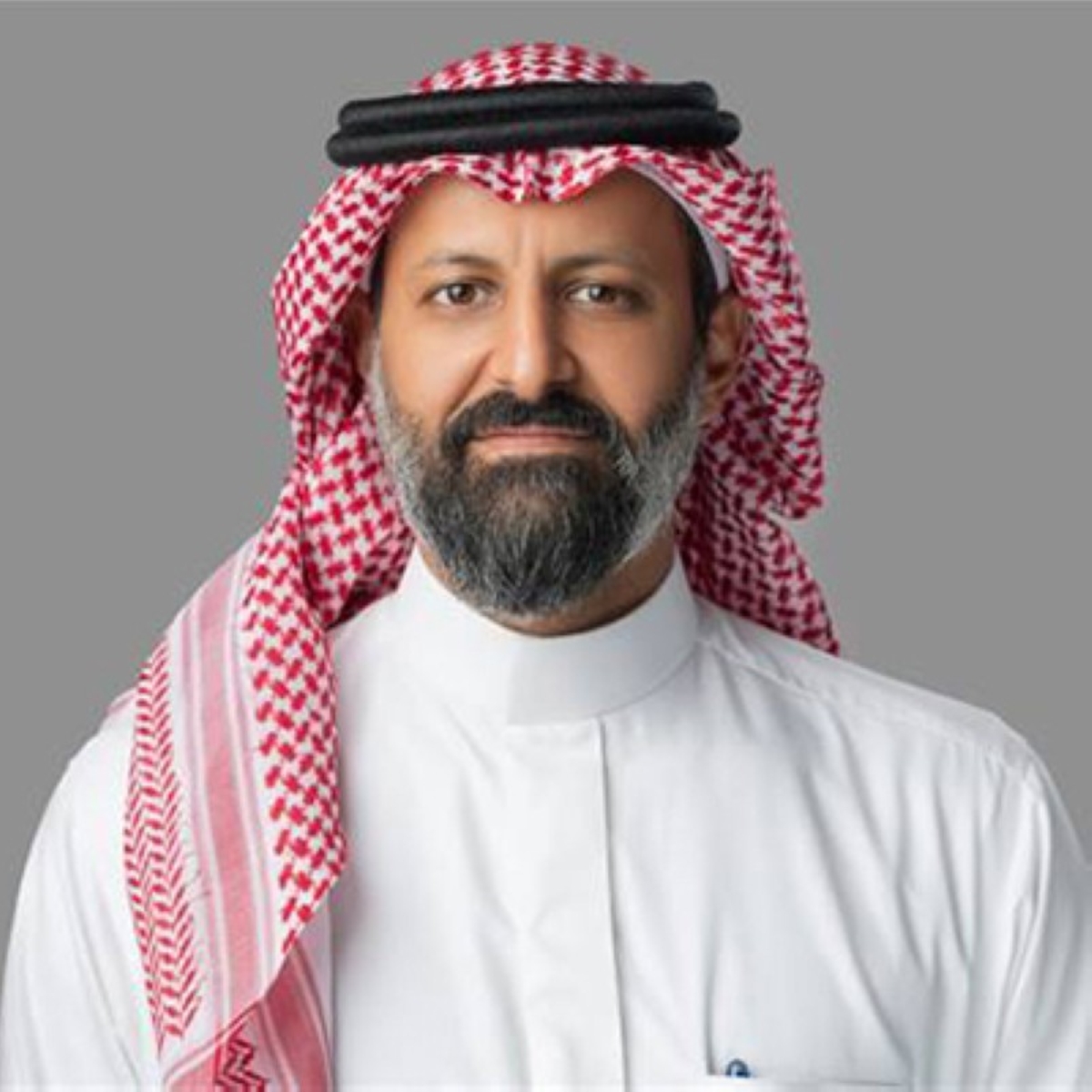
كشف رئيس مجلس إدارة هيئة السوق المالية محمد القويز، أن المرحلة التالية بعد إلغاء نظام المستثمر الأجنبي المؤهل وفتح السوق الرئيسية لجميع فئات المستثمرين الأجانب غير المقيمين، ستكون مراجعة حدود ملكية الأجانب، والمحددة حاليا بـ 10% للمستثمر الواحد، و49% لإجمالي نسبة ملكية الأجانب، مؤكداً أن هذه آخر ما تبقى من قيود أمام المستثمرين الدوليين.
وأوضح، في جلسة مؤتمر رأس المال الخاص 2025، أن الاكتتابات في الفترة الأخيرة شهدت انخفاضاً في النسب المخصصة للأفراد من الأسهم المطروحة، ونتج عن ذلك انخفاض الطلب من المستثمرين الأفراد وخلق اضطراب في السوق الثانوية، وهذا ما يفسر المحادثات التي تجريها الهيئة مع الشركات التي تعمل على طروحاتها الأولية في الفترة القادمة لزيادة النسبة المخصصة للمستثمرين الأفراد.
وذكر أنه كلما تم استيعاب الطلب من المستثمرين الأفراد في مرحلة الاكتتابات العامة الأولية، قلّت حالة الاضطراب التي تحدث في السوق الثانوية، وتم تحقيق تسعير أكثر فاعلية وتوازن أسرع.
إدارة الأصول
وذكر أن صناعة إدارة الأصول في المملكة نمت بمعدل سنوي يقارب 20% خلال السنوات الخمس الماضية، ليتجاوز حجم الأصول المدارة 1.2 تريليون ريال.
وأشار إلى أن النمو تركز بشكل خاص في القطاع العقاري، إلى جانب رأس المال الجريء والتمويل الخاص اللذين شهدا نمواً بأكثر من 10 أضعاف خلال الفترة ذاتها.
وبيّن أن هناك عدداً متزايداً من الشركات الناشئة المدعومة من صناديق الاستثمار الجريء التي تدرس نقل مقراتها إلى السعودية لتصبح شركات سعودية، وذلك للاستفادة من الاقتصاد المحلي ومن السوق المالية السعودية.
سيولة عالية
وخلال الجلسة قال القويز: «المرحلة التالية من تطوير سوق المال السعودية هي الانتقال من سوق استثمارية محلية كبيرة للغاية وذات سيولة عالية، إلى سوق تخدم المنطقة والأسواق الناشئة الأخرى على نطاق أوسع».
وأضاف أن الهدف حالياً هو جذب المزيد من الشركات الأجنبية لنقل مقارها إلى السعودية لتصبح شركات سعودية مدرجة في سوق المال السعودية.
وكشف أن هناك تطورين يتم العمل عليهما، الأول هو نظام الترخيص الخارجي، مبيناً أن نظام الترخيص الخاص لمؤسسات أسواق رأس المال والوسطاء الماليين كان موجهاً في المقام الأول للشركات التي ترغب في التأسيس في السعودية للقيام بأعمال تجارية في السعودية وجمع الأصول من السعودية، وزادت حالياً المناقشات مع الأشخاص الذين يرغبون في التأسيس في السعودية من أجل جمع الأصول من خارج السعودية أو القيام بأعمال تجارية من خارج السعودية.
صناديق مبسطة
وأوضح أن الهدف من الترخيص الخارجي هو أن يتناسب تماماً مع هذا التفويض الممنوح للمقر الإقليمي لأول مرة للسماح للشركات التي تتخذ من السعودية مقراً لها بالبدء في تقديم خدماتها على الصعيد الدولي وتسهيل ذلك عليها. وهذه هي أول خطوة للسعودية لتتحول من قطاع خدمات مالية يركز على السوق المحلية إلى قطاع يركز على السوق الدولية والخارجية.
وذكر أن التطور الثاني هو الصناديق المبسطة، إذ تنقسم الصناديق إلى فئتين عموماً في السوق السعودية، الصناديق العامة والصناديق الخاصة، إلا أن السوق السعودية تعمل على تدشين فئة ثالثة من الصناديق، وهي الصناديق المبسطة، وهذه الصناديق تستهدف مجموعة فرعية ضيقة للغاية من المستثمرين المؤسسيين والمتطورين للغاية، حيث إذا استهدفت هذه الفئة من المستثمرين، يمكن للجهة التنظيمية أن تتراجع بشكل فعال وتحوّل هذا إلى التزام تعاقدي أكثر بكثير.
وأوضح أن نظام الترخيص الخارجي ونظام الصناديق المبسطة قيد الاستشارة العامة الآن، يمثلان في الواقع انطلاقة لتحويل السعودية إلى مركز مالي للمنطقة، لا سيما في مجال المشاريع الاستثمارية والقطاع الخاص.
The Chairman of the Board of the Capital Market Authority, Mohammed Al-Qwaiz, revealed that the next phase after abolishing the Qualified Foreign Investor system and opening the main market to all categories of non-resident foreign investors will be a review of foreign ownership limits, currently set at 10% for individual investors and 49% for the total foreign ownership percentage, confirming that this is the last remaining restriction for international investors.
He explained, during the Private Capital Conference 2025 session, that recent subscriptions have seen a decline in the percentages allocated to individuals from the offered shares, resulting in decreased demand from individual investors and creating disruption in the secondary market. This explains the discussions the authority is having with companies that are working on their initial public offerings in the upcoming period to increase the percentage allocated to individual investors.
He noted that the more demand from individual investors is absorbed during the initial public offerings, the less disruption occurs in the secondary market, leading to more effective pricing and faster equilibrium.
Asset Management
He mentioned that the asset management industry in the Kingdom has grown at an annual rate of nearly 20% over the past five years, surpassing the size of managed assets of 1.2 trillion riyals.
He pointed out that the growth has been particularly concentrated in the real estate sector, alongside venture capital and private financing, which have seen growth of more than 10 times during the same period.
He indicated that there is an increasing number of startup companies backed by venture capital funds that are considering relocating their headquarters to Saudi Arabia to become Saudi companies, in order to benefit from the local economy and the Saudi financial market.
High Liquidity
During the session, Al-Qwaiz said: "The next phase of developing the Saudi capital market is transitioning from a very large local investment market with high liquidity to a market that serves the region and other emerging markets on a broader scale."
He added that the current goal is to attract more foreign companies to relocate their headquarters to Saudi Arabia to become listed Saudi companies in the Saudi capital market.
He revealed that there are two developments being worked on; the first is the external licensing system, explaining that the special licensing system for capital market institutions and financial intermediaries was primarily directed at companies wishing to establish themselves in Saudi Arabia to conduct business and raise assets from within Saudi Arabia. Currently, discussions have increased with individuals who wish to establish themselves in Saudi Arabia to raise assets from outside Saudi Arabia or conduct business from outside Saudi Arabia.
Simplified Funds
He clarified that the goal of the external licensing is to align perfectly with this mandate granted to the regional headquarters for the first time, allowing companies based in Saudi Arabia to start offering their services internationally and facilitating this for them. This is the first step for Saudi Arabia to transform from a financial services sector focused on the local market to a sector focused on the international and foreign markets.
He mentioned that the second development is the simplified funds, as funds in the Saudi market are generally divided into two categories: public funds and private funds. However, the Saudi market is working on launching a third category of funds, which are the simplified funds. These funds target a very narrow subset of highly sophisticated institutional investors, where if this category of investors is targeted, the regulatory body can effectively step back and turn this into a much more contractual obligation.
He explained that the external licensing system and the simplified funds system are currently under public consultation, representing in fact a launchpad for transforming Saudi Arabia into a financial hub for the region, especially in the field of investment projects and the private sector.