أكدت وكالة فيتش للتصنيف الائتماني أن الإصلاحات الاقتصادية والمراكز المالية المتماسكة تدعم التصنيفات الائتمانية لدول منطقة الشرق الأوسط وشمال أفريقيا، رغم ما تشهده المنطقة من صراعات جيوسياسية وانخفاض في أسعار النفط.
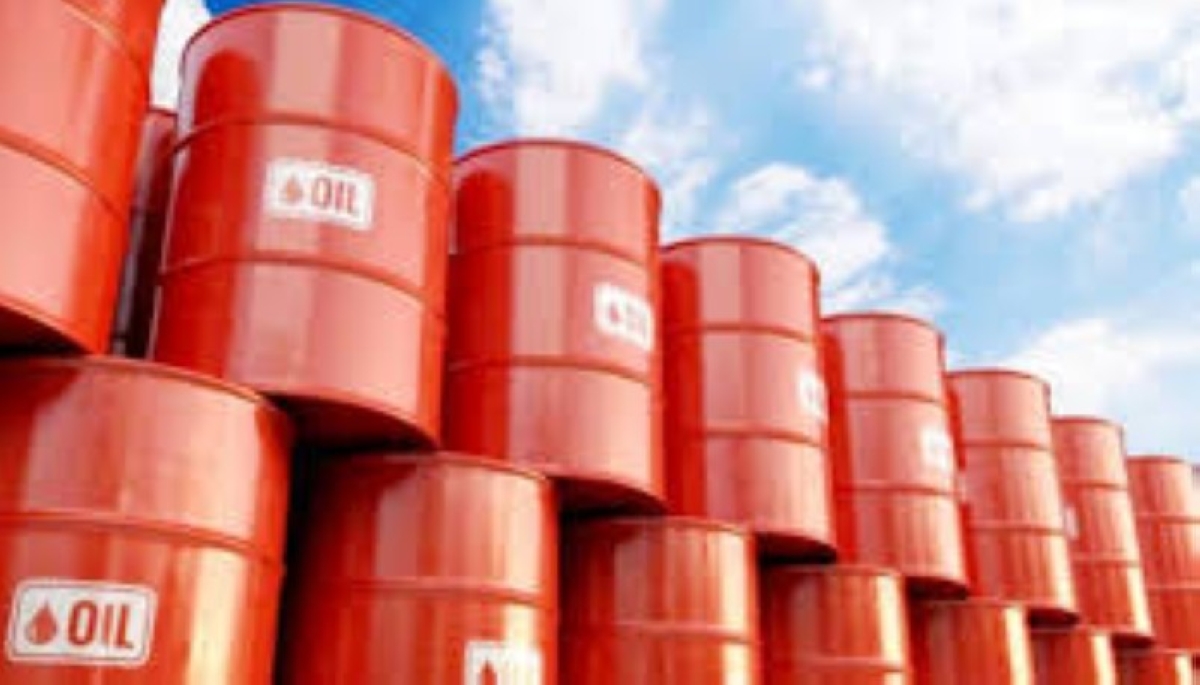
وبحسب «فيتش»، من المتوقع أن يبلغ متوسط سعر النفط 70 دولاراً للبرميل هذا العام، وهو ما يتيح لمعظم دول الخليج تسجيل فوائض مالية.
تحسن ملحوظ
وأشارت «فيتش» إلى أن النمو الاقتصادي في المنطقة يشهد تحسناً ملحوظاً، لاسيما في الدول المصدّرة للنفط، بفضل ارتفاع الإنتاج والاستثمارات الحكومية التي تدفع عجلة نمو القطاعات غير النفطية.
وكانت «فيتش» قد توقعت أن التوسع في إنتاج النفط وتخفيف السياسة النقدية سيؤديان إلى تعزيز نمو دول مجلس التعاون الخليجي، حيث من المتوقع أن يرتفع النمو من 2.2% في 2024 إلى 3.7% في 2025.
وأوضحت المؤسسة أن تسريع وتيرة تخفيف قيود الإنتاج من قبل تحالف «أوبك+» سيدعم نمو القطاع النفطي بما يتماشى مع التوقعات.
تعافٍ اقتصادي
وتوقعت «فيتش سوليوشنز» أن يؤدي توقف الحروب في المنطقة إلى تعافٍ في النشاط الاقتصادي بعد انكماش بنسبة 0.9% في 2024، مع تسجيل نمو بنسبة 2.3% في 2025، وهو أقل من تقديراتها السابقة عند 2.7%.
وقالت «فيتش» إن معدل النمو في شمال أفريقيا لا يزال في مساره مدفوعاً بمصر والمغرب، رغم خفض توقعات النمو في الإقليم من 3.6% إلى 3.3% لعام 2025، نتيجة ضعف النشاط في منطقة اليورو الشريك التجاري الرئيسي.
وأشارت المؤسسة في تقرير حديث لها إلى أنها خفضت توقعات النمو في المغرب من 5.0% إلى 4.5% لعام 2025، إلا أن هذا لا يزال يمثل تسارعاً مقارنة بنمو 3.8%، بدعم من تعافي القطاع الزراعي وقوة الاستثمار والطلب المحلي.
Fitch Ratings has confirmed that economic reforms and solid financial positions support the credit ratings of countries in the Middle East and North Africa, despite the geopolitical conflicts and declining oil prices the region is experiencing.
According to "Fitch," the average oil price is expected to reach $70 per barrel this year, which allows most Gulf countries to record financial surpluses.
Significant Improvement
Fitch pointed out that economic growth in the region is witnessing a significant improvement, especially in oil-exporting countries, thanks to increased production and government investments that are driving the growth of non-oil sectors.
Fitch had predicted that the expansion in oil production and the easing of monetary policy would enhance the growth of the Gulf Cooperation Council countries, with growth expected to rise from 2.2% in 2024 to 3.7% in 2025.
The agency clarified that accelerating the pace of easing production restrictions by the "OPEC+" alliance will support the growth of the oil sector in line with expectations.
Economic Recovery
Fitch Solutions predicted that the cessation of wars in the region would lead to a recovery in economic activity after a contraction of 0.9% in 2024, with growth recorded at 2.3% in 2025, which is lower than its previous estimate of 2.7%.
Fitch stated that the growth rate in North Africa remains on track, driven by Egypt and Morocco, despite lowering growth expectations in the region from 3.6% to 3.3% for 2025, due to weak activity in the Eurozone, the main trading partner.
The agency noted in a recent report that it has reduced its growth forecast for Morocco from 5.0% to 4.5% for 2025, yet this still represents an acceleration compared to the 3.8% growth, supported by the recovery of the agricultural sector and strong investment and domestic demand.