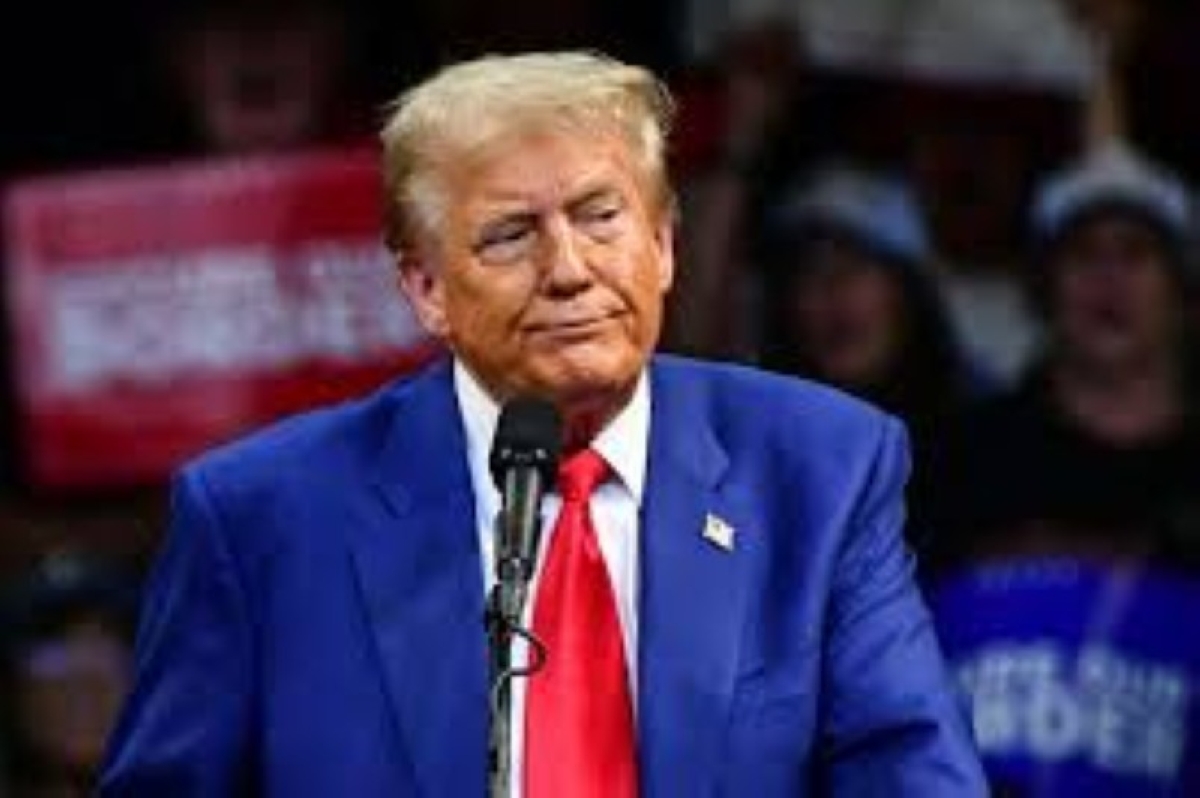
وقع الرئيس الأمريكي دونالد ترمب مرسوما يفرض رسوما جمركية بنسبة 25 % على الشاحنات وبنسبة 10 % على الحافلات اعتبارا من مطلع شهر نوفمبر القادم.
وكان الرئيس الأمريكي أعلن في نهاية سبتمبر الماضي نيته اعتماد هذه الرسوم الجمركية الإضافية على الشاحنات التي كان يفترض أن تبدأ في الأول من أكتوبر الجاري، وأضاف إليها الحافلات التي لم يكن قد أتى على ذكرها من قبل.
ويكون بذلك قد فرض على هاتين الفئتين الرسوم الجمركية المفروضة أساسا على قطاع السيارات والآليات، ويبدأ العمل بهذه التعرفات في الأول من نوفمبر القادم.
وأتى القرار في ختام تحقيق أجرته وزارة التجارة لمعرفة إن كان نقل المصانع خارج الولايات المتحدة يشكل خطرا على الأمن القومي، في نهج استخدمه ترمب أيضا على صعيد كل الرسوم الجمركية في القطاعات المختلفة.
التبادل الحر
إلا أن هذه الرسوم الجمركية الجديدة لن تُطبق كليا على الشاحنات التي مصدرها كندا والمكسيك إذا كان إنتاجها يلبّي المعايير المعمول بها في إطار اتفاقية التبادل الحر بين الدول الثلاث، على ما أوضح مسؤول أمريكي.
وبالنسبة للآليات المعنية، وحدها قطع الغيار غير المصنعة في الولايات المتحدة ستُفرض عليها في المستقبل رسوما جمركية بنسبة 25 %، إلا أنها مستثناة من هذه الرسوم راهنا إلى حين تحدد وزارة التجارة كيفية تطبيق هذه التعرفة الإضافية.
الآليات الواردة
وتفيد «كابيتال إكونوميكس» بأن الولايات المتحدة تستورد 78 % من شاحناتها من المكسيك و15 % من كندا. وبالنسبة للحافلات، ستُطبق نسبة 10 % بالكامل على الآليات الواردة من البلدين الجارين، سواء كانت في إطار اتفاقية التبادل الحر أم لا.
وكندا والمكسيك هما من أول الدول التي استهدفت بالرسوم الجمركية الأمريكية، وهي سياسة يعتمدها دونالد ترمب منذ عودته إلى البيت الأبيض. وتحاول هاتان الدولتان منذ ذلك الحين التفاوض على اتفاقات تجارية جديدة مع الولايات المتحدة، ما يثير توترات تجارية، لا سيما بين أوتاوا وواشنطن.
إلا أن المكسيك وكندا تشددان على التأثير المحدود للرسوم الجمركية هذه، وتؤكدان أن أكثر من 80 % من وارداتهما إلى الولايات المتحدة تندرج في إطار اتفاقية التبادل الحر.
U.S. President Donald Trump signed a decree imposing a 25% tariff on trucks and a 10% tariff on buses starting from the beginning of November.
The U.S. President announced at the end of September his intention to implement these additional tariffs on trucks, which were supposed to start on October 1, and added buses, which he had not mentioned before.
Thus, he has imposed on these two categories the tariffs originally imposed on the automotive and machinery sector, and these tariffs will take effect on November 1.
The decision came at the conclusion of an investigation conducted by the Department of Commerce to determine whether relocating factories outside the United States poses a threat to national security, a strategy Trump has also used regarding all tariffs across different sectors.
Free Trade
However, these new tariffs will not be fully applied to trucks sourced from Canada and Mexico if their production meets the standards set under the free trade agreement among the three countries, as clarified by a U.S. official.
As for the machinery involved, only spare parts not manufactured in the United States will be subject to a 25% tariff in the future, but they are currently exempt from these tariffs until the Department of Commerce determines how to implement this additional tariff.
Imported Machinery
"Capital Economics" reports that the United States imports 78% of its trucks from Mexico and 15% from Canada. For buses, the 10% tariff will be fully applied to machinery imported from the two neighboring countries, whether under the free trade agreement or not.
Canada and Mexico are among the first countries targeted by U.S. tariffs, a policy that Donald Trump has adopted since returning to the White House. Since then, these two countries have been trying to negotiate new trade agreements with the United States, which raises trade tensions, especially between Ottawa and Washington.
However, Mexico and Canada emphasize the limited impact of these tariffs, asserting that more than 80% of their imports to the United States fall under the free trade agreement.