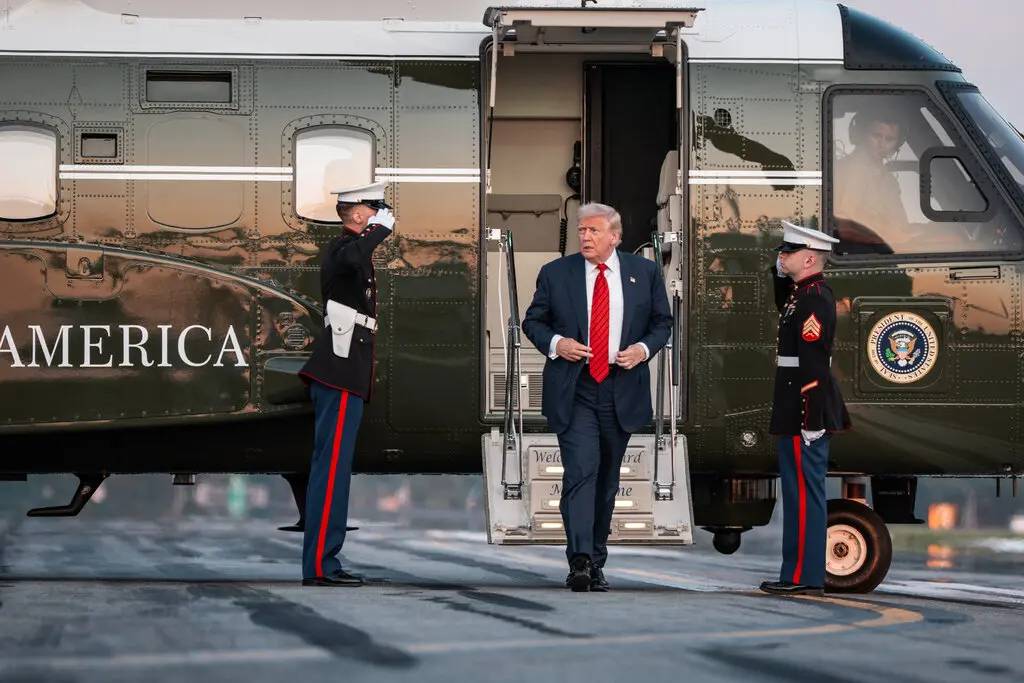
في ضربة قوية للسياسات التجارية للرئيس الأمريكي دونالد ترمب، ألغت محكمة الاستئناف الفيدرالية، يوم أمس (الجمعة)، العديد من الرسوم الجمركية التي فرضها على الواردات من دول عدة، ما يشكل انتكاسة كبيرة لنهج ترمب في استخدام الرسوم كأداة رئيسية في حربه التجارية. وقد أيدت المحكمة قراراً سابقاً لمحكمة أدنى في مايو الماضي، الذي اعتبر أن ترمب لا يملك صلاحية غير محدودة لفرض ضرائب على الواردات.
وبالرغم من الحكم الذي يضر بسياسات الرئيس الأمريكي، قررت المحكمة تأجيل تنفيذ القرار حتى منتصف أكتوبر القادم، مما يتيح للإدارة الأمريكية فرصة الطعن أمام المحكمة العليا. وقد أثار القرار تساؤلات حول ما إذا كان الرئيس ترمب قد تجاوز سلطاته المنصوص عليها في القوانين الأمريكية، خصوصاً قانون «سلطات الطوارئ الاقتصادية الدولية» (IEEPA)، الذي استخدمه لفرض الرسوم.
وفي الوقت الذي دافعت فيه إدارة ترمب عن هذه السياسات باعتبارها ضرورية لتحقيق أهداف اقتصادية كبرى، من بينها معالجة العجز التجاري وحماية الأمن القومي، شكك العديد من المحللين في شرعية استخدام هذا القانون بشكل موسع لفرض رسوم على السلع الأجنبية.
وإذا تأكدت المحكمة العليا من قرار محكمة الاستئناف، فقد تشهد الولايات المتحدة الأمريكية تغييراً جوهرياً في طريقة فرض الرسوم الجمركية، مما قد يؤثر بشكل كبير على العلاقات التجارية مع الدول الكبرى مثل الصين وأوروبا.
In a strong blow to the trade policies of U.S. President Donald Trump, the federal appeals court yesterday (Friday) canceled many of the tariffs he imposed on imports from several countries, marking a significant setback for Trump's approach of using tariffs as a primary tool in his trade war. The court upheld a previous ruling from a lower court last May, which found that Trump does not have unlimited authority to impose taxes on imports.
Despite the ruling that harms the U.S. president's policies, the court decided to postpone the implementation of the decision until mid-October, allowing the U.S. administration the opportunity to appeal to the Supreme Court. The decision raised questions about whether President Trump has exceeded his powers as outlined in U.S. laws, particularly the International Emergency Economic Powers Act (IEEPA), which he used to impose the tariffs.
While the Trump administration defended these policies as necessary to achieve major economic goals, including addressing the trade deficit and protecting national security, many analysts have questioned the legitimacy of using this law broadly to impose tariffs on foreign goods.
If the Supreme Court confirms the appeals court's decision, the United States may witness a fundamental change in the way tariffs are imposed, which could significantly impact trade relations with major countries like China and Europe.