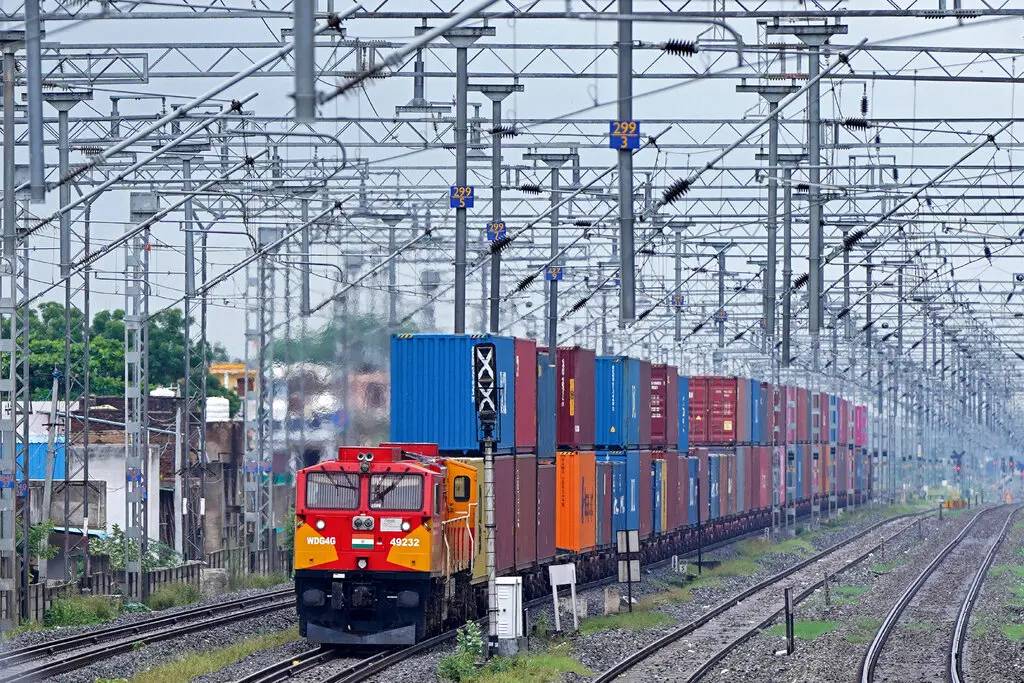
في خطوة وصفت بأنها من أشد الإجراءات العقابية التجارية ضد الهند، أعلن الرئيس الأمريكي دونالد ترمب فرض رسوم جمركية بنسبة 50% على معظم السلع القادمة من الهند، مبررًا ذلك باستمرار نيودلهي في شراء النفط الروسي.
القرار الذي دخل حيّز التنفيذ اعتبارًا من اليوم، يهدد مستقبل ملايين العمال في قطاعات التصدير الهندية، أبرزها النسيج والكيماويات والآلات والمجوهرات، كما يضعف الثقة التي بُنيت على مدى عقود بين الشركات الأمريكية والهندية.
وكانت الهند تراهن على علاقاتها المتنامية مع واشنطن وعلى تقارب شخصي بين رئيس وزرائها ناريندرا مودي وترمب، لكنها فوجئت بتشديد العقوبات بعد أن كانت تتوقع التوصل إلى تسوية تجارية هذا الخريف.
وأوضح نائب الرئيس الأمريكي جي دي فانس أن الرسوم تُعدّ «عقوبات ثانوية» تهدف إلى تقويض عائدات موسكو من بيع النفط، في وقت كانت شركات أمريكية قد بدأت الاعتماد على الهند بديلًا للصين في سلاسل التوريد.
في المقابل، دعا مودي شعبه إلى الصمود، مؤكدًا أن أولوية حكومته حماية صغار التجار والمزارعين. وأشار إلى أن الهند ستبحث عن بدائل تجارية مع شركاء آخرين مثل الصين واليابان وأوروبا.
ورغم التوقعات بتباطؤ طفيف في نمو الاقتصاد الهندي، إلا أن محللين يرون أن قرار واشنطن سيترك أثرًا عميقًا على مسار العلاقات الاقتصادية بين البلدين.
In a move described as one of the most severe commercial punitive measures against India, U.S. President Donald Trump announced a 50% tariff on most goods coming from India, justifying this by India's continued purchase of Russian oil.
The decision, which took effect today, threatens the future of millions of workers in India's export sectors, particularly textiles, chemicals, machinery, and jewelry, and undermines the trust that has been built over decades between American and Indian companies.
India had bet on its growing relations with Washington and a personal rapport between its Prime Minister Narendra Modi and Trump, but it was surprised by the tightening of sanctions after expecting to reach a trade settlement this fall.
U.S. Vice President JD Vance clarified that the tariffs are considered "secondary sanctions" aimed at undermining Moscow's revenues from oil sales, at a time when American companies had begun to rely on India as an alternative to China in supply chains.
In response, Modi urged his people to persevere, emphasizing that his government's priority is to protect small traders and farmers. He indicated that India will seek trade alternatives with other partners such as China, Japan, and Europe.
Despite expectations of a slight slowdown in India's economic growth, analysts believe that Washington's decision will leave a deep impact on the trajectory of economic relations between the two countries.