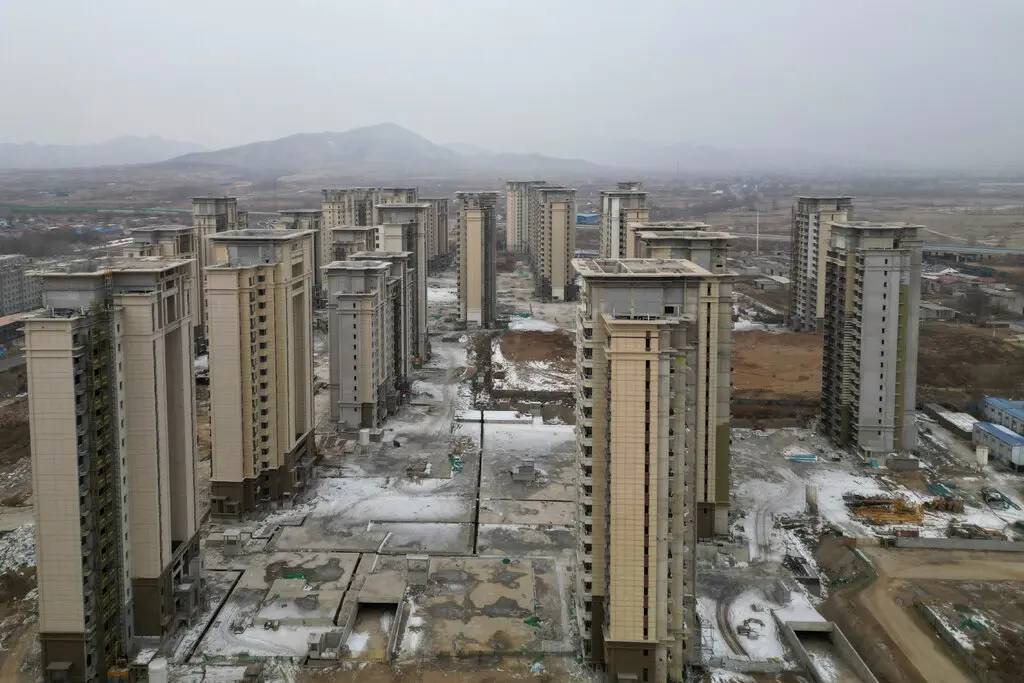
بعد 16 عامًا من إدراجها في بورصة هونغ كونغ، شُطبت مجموعة «تشاينا إيفرغراند» رسميًا، لتطوي صفحة واحدة من أضخم الانهيارات المالية في تاريخ الصين. الشركة التي أغرقتها ديون تجاوزت 300 مليار دولار خلّفت وراءها أكثر من 1300 مشروع غير مكتمل في 280 مدينة، ومئات الآلاف من المشترين العالقين بين أحلام شقق لم تُسلّم وواقع مليء بالدعاوى القضائية.
وكان القضاء في هونغ كونغ قد كلّف شركة «ألفاريز آند مرسال» بتصفية أصول إيفرغراند، لكن بعد عام ونصف لم يُحصَّل سوى 255 مليون دولار من أصل 45 مليارًا يطالب بها الدائنون، إذ اصطدمت محاولات استعادة الأموال بآلاف الشركات التابعة وهيكل معقد جعل استرداد الأصول شبه مستحيل.
من جانبهم، وسّع المُصَفّون نطاقهم نحو مؤسسي الشركة، وعلى رأسهم الرئيس السابق هوي كا يان (الذي اعتُقل عام 2023 بتهم «تنظيم احتيال») وزوجته ومديرين كبار، سعياً لتعقب مليارات حُوِّلت إلى حساباتهم. وكشفت ملفات قضائية أن بعض المديرين استثمروا في فيلات فاخرة وعقارات بكاليفورنيا حتى بعد انهيار الشركة.
انهيار «إيفرغراند» مثّل لحظة مفصلية في الاقتصاد الصيني، إذ هزّ قناعة «أكبر الشركات لا تفشل»، وكشف هشاشة اعتماد البلاد المفرط على العقارات كمحرّك للنمو. واليوم، لم يبقَ من عملاق العقارات سوى أطلال مشروعات مهجورة وطابور طويل من الدائنين اليائسين من استرداد أموالهم.
After 16 years of being listed on the Hong Kong Stock Exchange, the "China Evergrande" Group has officially been delisted, closing the chapter on one of the largest financial collapses in China's history. The company, which was burdened with debts exceeding $300 billion, left behind more than 1,300 unfinished projects in 280 cities, and hundreds of thousands of buyers caught between dreams of undelivered apartments and a reality filled with lawsuits.
The courts in Hong Kong had tasked "Alvarez & Marsal" with liquidating Evergrande's assets, but after a year and a half, only $255 million had been recovered out of the $45 billion claimed by creditors, as attempts to recover the funds were met with thousands of subsidiaries and a complex structure that made asset recovery nearly impossible.
For their part, the liquidators expanded their scope towards the company's founders, including former president Hui Ka Yan (who was arrested in 2023 on charges of "organizing fraud") and his wife, along with senior executives, in an effort to trace billions that were transferred to their accounts. Court documents revealed that some executives invested in luxury villas and properties in California even after the company's collapse.
The collapse of "Evergrande" represented a pivotal moment in the Chinese economy, shaking the belief that "the largest companies do not fail," and revealing the fragility of the country's excessive reliance on real estate as a driver of growth. Today, nothing remains of the real estate giant except the ruins of abandoned projects and a long line of creditors desperate to recover their funds.