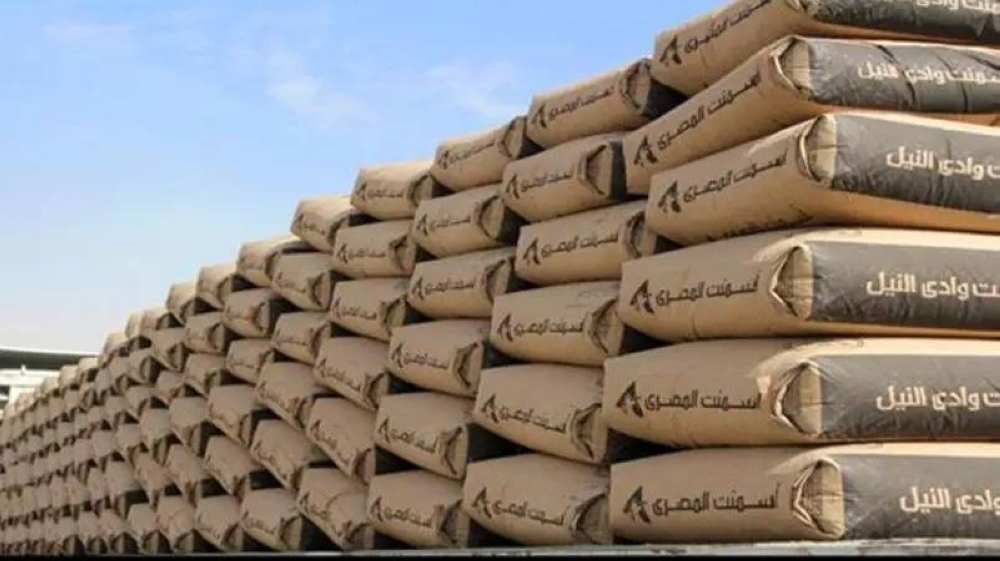
شهدت أسعار الأسمنت في السوق المصرية انخفاضاً ملحوظاً بنسبة 25% خلال الثلاثين يوماً الماضية، لتصل إلى نحو 4000 جنيه للطن، بعد موجة ارتفاعات قياسية استمرت لأشهر.
يأتي هذا الانخفاض في أعقاب اتفاق بين الحكومة المصرية وشركات تصنيع الأسمنت لزيادة الإنتاج، بهدف تلبية الطلب المتزايد في السوق المحلية ودعم التصدير.
وأوضح رئيس شعبة مواد البناء باتحاد الغرف التجارية أحمد الزيني، أن الشركات استجابت لتوجيهات الحكومة عقب اجتماع مع وزير الصناعة كامل الوزير، حيث تم الاتفاق على ضخ كميات إنتاج إضافية للسوق المحلية، ما ساهم في خفض الأسعار.
وأشار إلى أن إعادة تشغيل بعض خطوط الإنتاج المتوقفة سيعزز المعروض ويؤدي إلى انخفاضات إضافية في الأسعار خلال الفترة القادمة.
وتعمل في مصر 23 شركة أسمنت تمتلك 46 خط إنتاج، بطاقة مرخصة تصل إلى 76 مليون طن سنوياً، بينما تصل الطاقة الفعلية إلى نحو 85 مليون طن، ومع ذلك، يبلغ الاستهلاك المحلي نحو 47 مليون طن فقط، ما يتيح فائضاً كبيراً للتصدير.
في عام 2024، سجلت مصر تصدير 20 مليون طن من الأسمنت، مقارنة بـ13.4 مليون طن في 2023، وهو رقم قياسي يعكس الطلب الخارجي القوي على الأسمنت المصري.
وعلى الرغم من الانخفاضات الأخيرة، لا تزال الأسعار المحلية مرتفعة بنحو 60% مقارنة بأسعار التصدير، حيث يراوح سعر الطن المصدر بين 45 و60 دولاراً، مقابل نحو 80 دولاراً في السوق المحلية.
وساهمت قرارات الحكومة بتعليق نظام الحصص الإنتاجية ودعم المصانع المتوقفة في تحسين الأوضاع، كما أن إطلاق منظومة تراخيص البناء الجديدة أدى إلى زيادة الطلب المحلي، خصوصاً في القرى والمراكز، حيث استأنف المواطنون أعمال البناء بعد توقف جزئي استمر منذ 2020 بسبب جهود مكافحة البناء العشوائي.
مصر: أسعار الأسمنت تنخفض 25% وتوقعات باستقرار السوق
16 يوليو 2025 - 15:08
|
آخر تحديث 16 يوليو 2025 - 15:08
مليون طن إجمالي الاستهلاك المحلي في مصر47


تابع قناة عكاظ على الواتساب
محمد صديق (القاهرة) @okaz_online
The prices of cement in the Egyptian market have witnessed a significant decline of 25% over the past thirty days, reaching about 4000 Egyptian pounds per ton, following a wave of record increases that lasted for months.
This decline comes in the wake of an agreement between the Egyptian government and cement manufacturing companies to increase production, aiming to meet the rising demand in the local market and support exports.
The head of the Building Materials Division at the Federation of Egyptian Chambers of Commerce, Ahmed El-Zini, explained that the companies responded to government directives following a meeting with the Minister of Industry, Kamel El-Wazir, where it was agreed to pump additional production quantities into the local market, which contributed to lowering prices.
He pointed out that restarting some halted production lines will enhance supply and lead to further price reductions in the coming period.
In Egypt, 23 cement companies operate with 46 production lines, with a licensed capacity of 76 million tons annually, while the actual capacity reaches about 85 million tons. However, local consumption is only around 47 million tons, allowing for a significant surplus for export.
In 2024, Egypt recorded the export of 20 million tons of cement, compared to 13.4 million tons in 2023, a record number reflecting strong external demand for Egyptian cement.
Despite the recent declines, local prices remain high by about 60% compared to export prices, with the price of exported cement ranging between 45 and 60 dollars, compared to about 80 dollars in the local market.
The government's decisions to suspend the production quota system and support halted factories have improved the situation, and the launch of the new building licensing system has led to increased local demand, especially in villages and centers, where citizens have resumed construction work after a partial halt that lasted since 2020 due to efforts to combat random construction.