


أشاد صندوق النقد الدولي بالمرونة العالية للاقتصاد السعودي في مواجهة الصدمات الاقتصادية العالمية، مع توسع أنشطة القطاع غير النفطي، واحتواء التضخم، ووصول معدل البطالة إلى أدنى مستوياته تاريخياً؛ متوافقة بذلك مع مستهدفات رؤية السعودية 2030.
ورحبت وزارة المالية بالبيان الختامي الصادر من خبراء صندوق النقد الدولي عقب اختتام زيارتهم بشأن مناقشات مشاورات المادة الرابعة مع المملكة للعام 2025.
وأشاد خبراء الصندوق بجهود الحكومة في تعزيز استدامة المالية العامة ومرونتها تجاه الصدمات، كما أشار البيان إلى استمرار الطلب المحلي القوي في دعم النمو الاقتصادي رغم ارتفاع حالة عدم اليقين العالمي، ويأتي ذلك انعكاساً لاستمرار المملكة في تنفيذ مشاريع رؤية السعودية 2030 عبر الاستثمارات العامة والخاصة، ومدفوعاً بالنمو القوي في الائتمان.
وأوضح البيان أن المملكة تمكنت من احتواء التضخم، حيث بلغت نسبته 2.3% في أبريل 2025 بارتفاع طفيف، ومن المتوقع أن يظل مستقراً بالقرب من 2%. ويُعزى ذلك إلى استقرار ربط الريال بالدولار الأمريكي، واستمرار الدعم الحكومي المحلي، إضافة إلى انخفاض تكاليف النقل والاتصالات، وتباطؤ وتيرة تضخم الإيجارات السكنية. كما يُتوقع أن يبقى التضخم المستورد الناتج عن ارتفاع الرسوم الجمركية عالمياً تحت السيطرة.
وأشاد خبراء صندوق النقد الدولي بدور البنك المركزي السعودي (ساما) في تعزيز إطار عمل إدارة السيولة في سبيل استقرارها، كما ثمّنت البعثة جهود البنك المتواصلة في تعزيز الأطر التنظيمية والإشرافية، إضافة إلى جهوده المستمرة في تعزيز فاعلية الأطر الرقابية والتنظيمية.
واستعرض البيان الإصلاحات الوطنية منذ العام 2016، حيث أكّد أن المملكة قد نفذت إصلاحات واسعة النطاق في تنظيم الأعمال والحوكمة وأسواق العمل ورأس المال، مشيراً إلى تعزيز الأنظمة الجديدة التي دخلت حيز التنفيذ في العام 2025، مثل نظام الاستثمار المحدث، وتعديلات نظام العمل، ونظام التسجيل التجاري الجديد، الذي يزيد من ثقة المستثمرين والشركات بشأن بيئة الأعمال، إلى جانب دعمه لمكاسب الإنتاجية، لتأكيد أهمية مواصلة جهود الإصلاح الهيكلي للحفاظ على نمو القطاع غير النفطي وتنويع الاقتصاد.
وأكّد أهمية استمرار الجهود التي تبذلها الحكومة لتعزيز المنظومة المالية في دعم أوضاع المالية العامة وتحقيق أهداف رؤية السعودية 2030، مع جعل تعزيز الإطار المالي متوسط المدى أولوية.
ويوضح البيان الختامي لمشاورات المادة الرابعة النتائج الأولية لخبراء الصندوق في ختام بعثة المشاورات الرسمية، وتُجرى البعثات في إطار المشاورات السنوية بموجب المادة الرابعة من اتفاقية صندوق النقد الدولي، وكجزء من مناقشات البرامج التي يراقبها خبراء الصندوق، أو كجزء من المتابعة الأخرى التي يقوم بها خبراء الصندوق للتطورات الاقتصادية.
أشاد بوصول معدل البطالة لأدنى مستوياته تاريخياً
«النقد الدولي»: الاقتصاد السعودي مرن في مواجهة الصدمات.. واحتوى التضخم
26 يونيو 2025 - 15:57
|
آخر تحديث 26 يونيو 2025 - 16:03
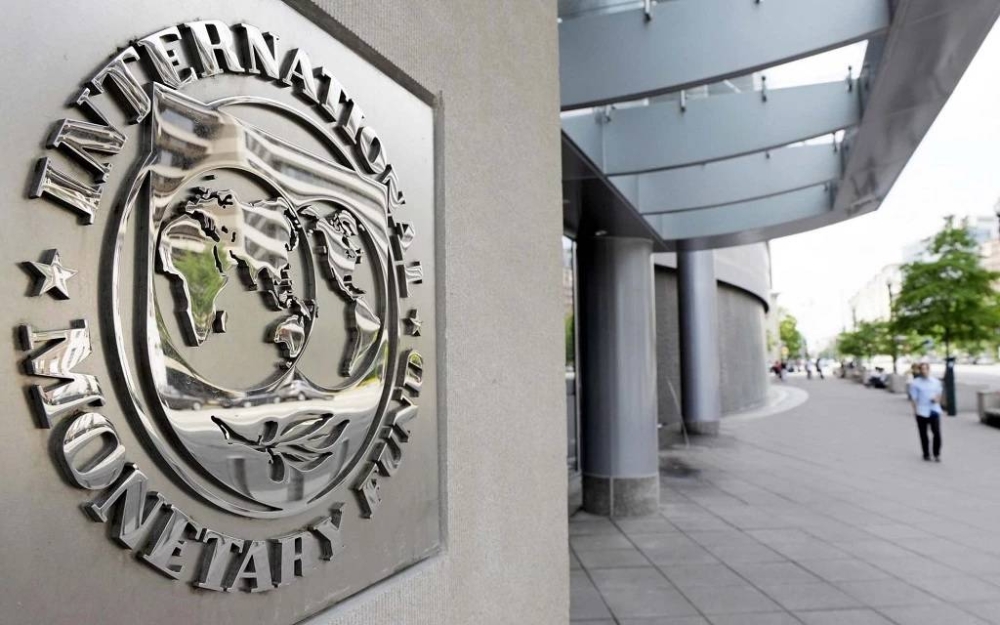
خبراء صندوق النقد الدولي أشادوا بتوسع الأنشطة غير النفطية. (متداولة)


تابع قناة عكاظ على الواتساب
«عكاظ» (جدة) @okaz_online
The International Monetary Fund praised the high resilience of the Saudi economy in facing global economic shocks, with the expansion of non-oil sector activities, containment of inflation, and the unemployment rate reaching its historically lowest levels; thus aligning with the targets of Saudi Vision 2030.
The Ministry of Finance welcomed the final statement issued by IMF experts following the conclusion of their visit regarding discussions on Article IV consultations with the Kingdom for the year 2025.
IMF experts commended the government's efforts in enhancing the sustainability and resilience of public finances against shocks. The statement also noted the continued strong domestic demand supporting economic growth despite rising global uncertainty, reflecting the Kingdom's ongoing implementation of Saudi Vision 2030 projects through public and private investments, driven by strong credit growth.
The statement clarified that the Kingdom has managed to contain inflation, which reached 2.3% in April 2025 with a slight increase, and it is expected to remain stable around 2%. This is attributed to the stability of the riyal's peg to the US dollar, continued local government support, as well as a decrease in transportation and communication costs, and a slowdown in the pace of residential rent inflation. It is also expected that imported inflation resulting from rising global customs duties will remain under control.
IMF experts praised the role of the Saudi Central Bank (SAMA) in enhancing the liquidity management framework for its stability, and the mission appreciated the bank's ongoing efforts to strengthen regulatory and supervisory frameworks, in addition to its continuous efforts to enhance the effectiveness of regulatory and supervisory frameworks.
The statement reviewed national reforms since 2016, confirming that the Kingdom has implemented extensive reforms in business regulation, governance, labor, and capital markets, noting the enhancement of new systems that came into effect in 2025, such as the updated investment system, amendments to the labor system, and the new commercial registration system, which increases investor and company confidence regarding the business environment, alongside supporting productivity gains, emphasizing the importance of continuing structural reform efforts to maintain the growth of the non-oil sector and diversify the economy.
It emphasized the importance of continuing government efforts to enhance the financial system in supporting public finance conditions and achieving the goals of Saudi Vision 2030, while making the enhancement of the medium-term financial framework a priority.
The final statement of the Article IV consultations outlines the preliminary results of the Fund's experts at the conclusion of the official consultation mission. Missions are conducted as part of the annual consultations under Article IV of the IMF Agreement, and as part of program discussions monitored by Fund experts, or as part of other follow-ups conducted by Fund experts on economic developments.
The Ministry of Finance welcomed the final statement issued by IMF experts following the conclusion of their visit regarding discussions on Article IV consultations with the Kingdom for the year 2025.
IMF experts commended the government's efforts in enhancing the sustainability and resilience of public finances against shocks. The statement also noted the continued strong domestic demand supporting economic growth despite rising global uncertainty, reflecting the Kingdom's ongoing implementation of Saudi Vision 2030 projects through public and private investments, driven by strong credit growth.
The statement clarified that the Kingdom has managed to contain inflation, which reached 2.3% in April 2025 with a slight increase, and it is expected to remain stable around 2%. This is attributed to the stability of the riyal's peg to the US dollar, continued local government support, as well as a decrease in transportation and communication costs, and a slowdown in the pace of residential rent inflation. It is also expected that imported inflation resulting from rising global customs duties will remain under control.
IMF experts praised the role of the Saudi Central Bank (SAMA) in enhancing the liquidity management framework for its stability, and the mission appreciated the bank's ongoing efforts to strengthen regulatory and supervisory frameworks, in addition to its continuous efforts to enhance the effectiveness of regulatory and supervisory frameworks.
The statement reviewed national reforms since 2016, confirming that the Kingdom has implemented extensive reforms in business regulation, governance, labor, and capital markets, noting the enhancement of new systems that came into effect in 2025, such as the updated investment system, amendments to the labor system, and the new commercial registration system, which increases investor and company confidence regarding the business environment, alongside supporting productivity gains, emphasizing the importance of continuing structural reform efforts to maintain the growth of the non-oil sector and diversify the economy.
It emphasized the importance of continuing government efforts to enhance the financial system in supporting public finance conditions and achieving the goals of Saudi Vision 2030, while making the enhancement of the medium-term financial framework a priority.
The final statement of the Article IV consultations outlines the preliminary results of the Fund's experts at the conclusion of the official consultation mission. Missions are conducted as part of the annual consultations under Article IV of the IMF Agreement, and as part of program discussions monitored by Fund experts, or as part of other follow-ups conducted by Fund experts on economic developments.


