


أعلن محافظ البنك المركزي الفلبيني إيلي ريمولونا أن بلاده ربما تدرس خفض حيازتها للسندات الأميركية بعد قيام وكالة «موديز» بخفض التصنيف الائتماني للولايات المتحدة.
ورداً على سؤال في مؤتمر صحفي اليوم (الجمعة) بشأن ما إذا كانت الفلبين سوف تخفض حيازتها للسندات الأميركية ضمن احتياطياتها، نقلت وكالة (بلومبرغ) للأنباء عن ريمولونا قوله: «نحن نبحث هذا الأمر»، مضيفاً أن «خفض تصنيف ديون الدول الأخرى مسألة، ولكن السندات الأميركية مسألة كبيرة».
وأوضح أن السندات الأميركية «ما زالت أكبر سوق يتسم بالسيولة، وسوف تظل على الأرجح جزءا مهما من إجمالي الاحتياطيات الدولية للفلبين»، مشيرا إلى أن الدولار لا يزال العملة الأولى في إطار بيئة الإقراض الدولية، وفي ما يتعلق بالاستثمارات، وفقاً لوكالة الأنباء الألمانية (د ب أ).
وكان ريمولونا صرح الشهر الماضي بأن البنك المركزي الفلبيني لديه «الخليط الصحيح من الأصول» ضمن احتياطياته، ولا يسعى إلى خفض حيازاته من السندات الأميركية رغم تقلبات أسواق المال العالمية بسبب إجراءات الرسوم الجمركية للرئيس الأميركي دونالد ترمب.
وقال ريمولونا: «إن الدولار ظل لفترة طويلة يعتبر كعملة ملاذاً آمناً، وربما تتراجع هذه الميزة بمرور الوقت ولكنها عملية بطيئة، وإن هيمنة الدولار ليست دائمة، ومن الممكن أن تتآكل».
وأشار محافظ البنك المركزي الفلبيني إلى أن السلطات المالية في بلاده لديها مساحة كبيرة لخفض سعر الفائدة القياسي، وسط توقعات باستمرار انخفاض التضخم خلال الشهور المقبلة، مضيفاً أنه «سيكون هناك على الأرجح خفضان إضافيان للفائدة هذا العام»، وقال: «ما زال يتعين علينا أن نتوخى الحذر؛ لأننا لا نريد الإفراط في خفض الفائدة».
الفلبين: ندرس خفض حيازة السندات الأمريكية بعد خفض تصنيفها
23 مايو 2025 - 15:22
|
آخر تحديث 23 مايو 2025 - 15:22
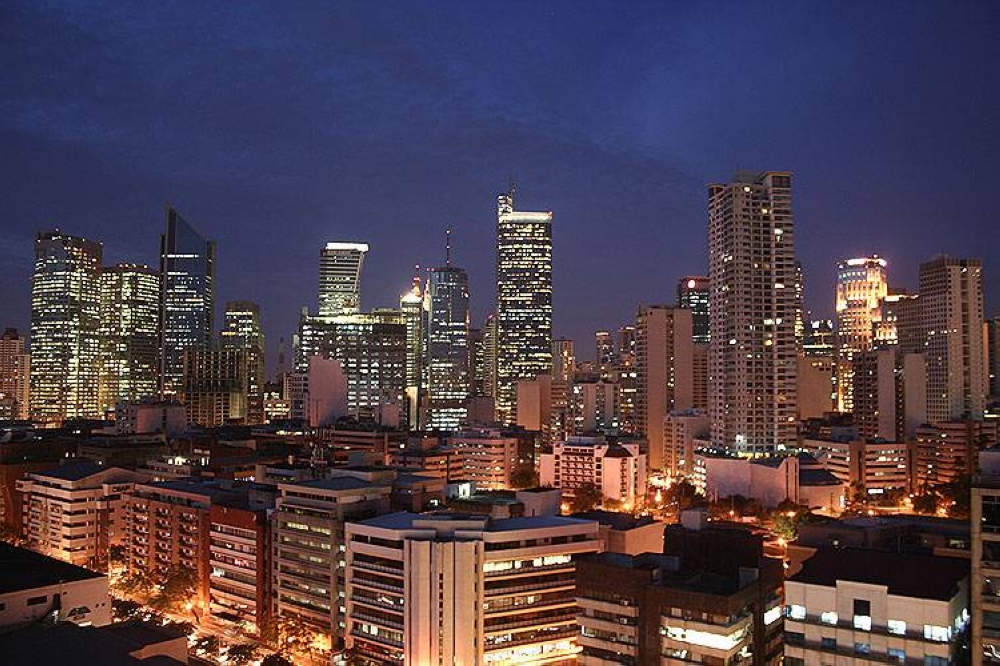
الفلبين أكدت أن خفض السندات الأمريكية مسألة كبيرة. (متداولة)


تابع قناة عكاظ على الواتساب
«عكاظ» (مانيلا) okaz_online@
The Governor of the Central Bank of the Philippines, Eli Remolona, announced that his country may consider reducing its holdings of U.S. bonds after Moody's downgraded the credit rating of the United States.
In response to a question at a press conference today (Friday) about whether the Philippines would reduce its holdings of U.S. bonds within its reserves, Bloomberg News reported Remolona as saying: "We are looking into this matter," adding that "the downgrade of other countries' debts is one thing, but U.S. bonds are a big issue."
He explained that U.S. bonds "are still the largest liquid market and will likely remain an important part of the Philippines' total international reserves," noting that the dollar remains the primary currency in the international lending environment, and regarding investments, according to the German news agency (dpa).
Remolona stated last month that the Central Bank of the Philippines has "the right mix of assets" within its reserves and is not seeking to reduce its holdings of U.S. bonds despite the volatility in global financial markets due to U.S. President Donald Trump's tariff measures.
Remolona said: "The dollar has long been considered a safe-haven currency, and this feature may decline over time, but it is a slow process, and the dominance of the dollar is not permanent and could erode."
The Governor of the Central Bank of the Philippines indicated that the financial authorities in his country have significant room to lower the benchmark interest rate, amid expectations of continued declines in inflation over the coming months, adding that "there will likely be two additional rate cuts this year," and said: "We still need to be cautious; we do not want to overdo the interest rate cuts."
In response to a question at a press conference today (Friday) about whether the Philippines would reduce its holdings of U.S. bonds within its reserves, Bloomberg News reported Remolona as saying: "We are looking into this matter," adding that "the downgrade of other countries' debts is one thing, but U.S. bonds are a big issue."
He explained that U.S. bonds "are still the largest liquid market and will likely remain an important part of the Philippines' total international reserves," noting that the dollar remains the primary currency in the international lending environment, and regarding investments, according to the German news agency (dpa).
Remolona stated last month that the Central Bank of the Philippines has "the right mix of assets" within its reserves and is not seeking to reduce its holdings of U.S. bonds despite the volatility in global financial markets due to U.S. President Donald Trump's tariff measures.
Remolona said: "The dollar has long been considered a safe-haven currency, and this feature may decline over time, but it is a slow process, and the dominance of the dollar is not permanent and could erode."
The Governor of the Central Bank of the Philippines indicated that the financial authorities in his country have significant room to lower the benchmark interest rate, amid expectations of continued declines in inflation over the coming months, adding that "there will likely be two additional rate cuts this year," and said: "We still need to be cautious; we do not want to overdo the interest rate cuts."


