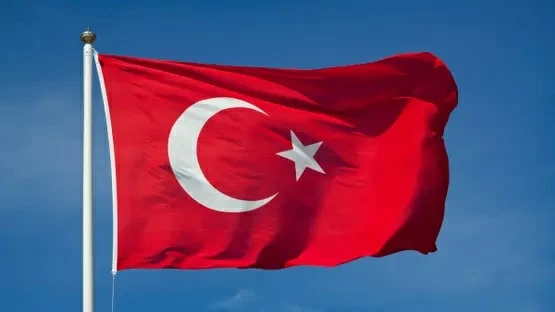
تدرس الحكومة التركية تحريك أسعار الكهرباء والغاز الطبيعي خلال الشهر الجاري، في خطوة تهدف إلى احتواء تداعيات ارتفاع أسعار الطاقة عالميًا، في ظل التصعيد العسكري في منطقة الشرق الأوسط وتأثيراته على أسواق النفط والغاز.
عبء متزايد على الموازنة
وأوضح وزير المالية التركي محمد شيمشك أن نظام التسعير الحالي لم يعد مستدامًا في حال استمرار ارتفاع أسعار النفط، محذرًا من الضغوط المتزايدة على الموازنة العامة للدولة نتيجة دعم الطاقة.
تحركات نقدية متوازية
وفي موازاة ذلك، اتخذ البنك المركزي التركي سلسلة إجراءات لدعم الاستقرار المالي، شملت تثبيت مسار السياسة النقدية ورفع سعر الفائدة لليلة واحدة بنحو 300 نقطة أساس ليقترب من مستوى 40%، إلى جانب تدخلات في سوق الصرف الأجنبي عبر استخدام احتياطيات النقد والذهب.
لقاءات مع المستثمرين
وخلال اجتماعات عُقدت في العاصمة البريطانية لندن، أكد مسؤولون أتراك أمام مستثمرين دوليين أن البلاد قادرة على التعامل مع تداعيات ارتفاع أسعار الطاقة، مع إبقاء احتمالات تعديل السياسة النقدية قائمة وفق تطورات الأوضاع.
وأشارت المناقشات إلى أن خيار رفع سعر الفائدة الرئيسي مطروح على طاولة البحث في اجتماع السياسة النقدية المرتقب، في حال استمرار الضغوط على العملة المحلية وارتفاع أسعار الطاقة.
سيناريوهات مفتوحة
ويرى مراقبون أن استمرار التوترات الجيوسياسية في المنطقة قد يدفع أنقرة إلى اتخاذ خطوات إضافية، سواء على صعيد تسعير الطاقة أو السياسة النقدية، في إطار محاولة موازنة الاستقرار الاقتصادي مع مواجهة الصدمات الخارجية.
The Turkish government is considering adjusting electricity and natural gas prices during this month, in a move aimed at containing the repercussions of rising global energy prices, amid military escalation in the Middle East and its effects on oil and gas markets.
Increasing Burden on the Budget
Turkish Finance Minister Mehmet Şimşek explained that the current pricing system is no longer sustainable if oil prices continue to rise, warning of the increasing pressures on the state’s public budget due to energy subsidies.
Parallel Monetary Moves
In parallel, the Turkish central bank has taken a series of measures to support financial stability, including maintaining the course of monetary policy and raising the overnight interest rate by about 300 basis points to approach 40%, along with interventions in the foreign exchange market using cash and gold reserves.
Meetings with Investors
During meetings held in the British capital, London, Turkish officials assured international investors that the country is capable of handling the repercussions of rising energy prices, while keeping the possibility of adjusting monetary policy open depending on the developments of the situation.
The discussions indicated that the option of raising the main interest rate is on the table for consideration at the upcoming monetary policy meeting, should pressures on the local currency and rising energy prices persist.
Open Scenarios
Observers believe that the continuation of geopolitical tensions in the region may prompt Ankara to take additional steps, whether in terms of energy pricing or monetary policy, in an attempt to balance economic stability with facing external shocks.