أعاد الرئيس الأمريكي دونالد ترمب رسم ملامح السياسة التجارية لبلاده، بإقرار حزمة رسوم جمركية جديدة طالت قطاع الأدوية، إلى جانب إعادة هيكلة تعريفات المعادن، في خطوة تعكس تمسكه بنهج الحماية الاقتصادية رغم تداعياته العالمية.
ضغط على شركات الأدوية
القرارات الجديدة تفرض رسوماً تصل إلى 100% على الأدوية المستوردة، مع منح الشركات مهلاً زمنية لنقل خطوط إنتاجها إلى الولايات المتحدة، في محاولة لدفع التصنيع الدوائي إلى الداخل وتقليل الاعتماد على الخارج.
ووفق التوجه الجديد، تُمنح الشركات الكبرى مهلة تصل إلى 120 يوماً للامتثال، مقابل 180 يوماً للشركات الأصغر، بينما تستفيد الشركات التي تلتزم ببناء مصانع داخل الولايات المتحدة من تخفيض الرسوم إلى 20%.
استثناءات واتفاقيات
في المقابل، شملت الترتيبات استثناءات لعدد من الحلفاء التجاريين، إذ ستخضع صادرات الأدوية من الاتحاد الأوروبي واليابان وكوريا الجنوبية وسويسرا لرسوم أقل تبلغ 15%، فيما حصلت بريطانيا على إعفاء مؤقت يسمح بدخول أدويتها دون رسوم لمدة 3 سنوات، ضمن اتفاق تجاري أوسع.
إعادة ضبط تعريفات المعادن
وعلى صعيد المعادن، أبقى القرار على رسوم بنسبة 50% على واردات الصلب والألمنيوم والنحاس، مع تعديل آلية الاحتساب لتكون على القيمة الكاملة للمنتجات النهائية، بدلًا من نسب المعادن الداخلة فيها، بهدف تبسيط الإجراءات والحد من التلاعب.
كما تم إعفاء المنتجات ذات المحتوى المعدني المحدود، مثل بعض السلع الاستهلاكية، من الرسوم، في حين خُفّضت التعريفات على معدات صناعية ومكونات شبكات كهربائية من 50% إلى 15% حتى عام 2027، دعمًا للتوسع الصناعي.
ذكرى «يوم التحرير»
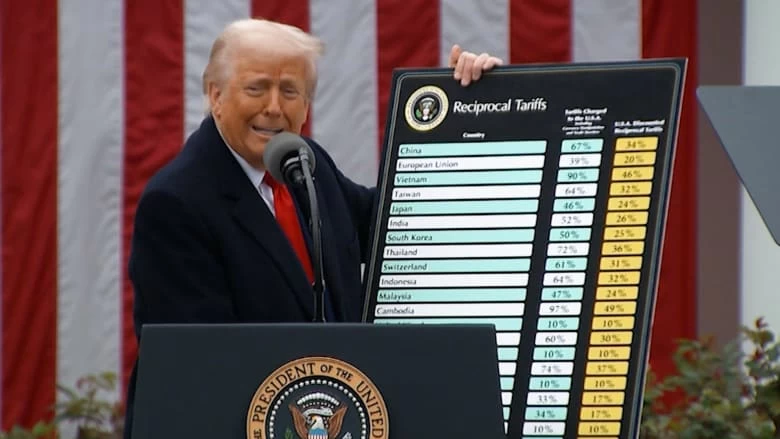
وتأتي هذه الخطوات في سياق ما يسميه ترمب «يوم التحرير»، الذي أطلق خلاله قبل عام موجة رسوم جمركية واسعة أثارت اضطرابات في الأسواق العالمية وأربكت سلاسل الإمداد.
ورغم اعتراضات قانونية سابقة على تلك السياسات، يبدو أن الإدارة الأمريكية ماضية في إعادة صياغة أدواتها التجارية، بما يعزز التصنيع المحلي ويعيد ترتيب علاقاتها الاقتصادية مع العالم.
U.S. President Donald Trump has reshaped the contours of his country's trade policy by approving a new package of tariffs targeting the pharmaceutical sector, alongside restructuring metal tariffs, in a move that reflects his commitment to an economic protectionist approach despite its global repercussions.
Pressure on Pharmaceutical Companies
The new decisions impose tariffs of up to 100% on imported medicines, while granting companies timeframes to relocate their production lines to the United States, in an attempt to push pharmaceutical manufacturing back home and reduce reliance on foreign sources.
According to the new direction, major companies are given a compliance period of up to 120 days, compared to 180 days for smaller companies, while those that commit to building factories within the United States will benefit from a reduction in tariffs to 20%.
Exemptions and Agreements
In contrast, the arrangements included exemptions for several trading allies, as pharmaceutical exports from the European Union, Japan, South Korea, and Switzerland will be subject to lower tariffs of 15%, while the UK received a temporary exemption allowing its medicines to enter without tariffs for 3 years, as part of a broader trade agreement.
Resetting Metal Tariffs
Regarding metals, the decision maintained a 50% tariff on imports of steel, aluminum, and copper, while adjusting the calculation mechanism to be based on the full value of the final products, instead of the percentages of the metals contained within them, aiming to simplify procedures and reduce manipulation.
Products with limited metal content, such as certain consumer goods, were exempted from tariffs, while tariffs on industrial equipment and electrical network components were reduced from 50% to 15% until 2027, in support of industrial expansion.
Commemoration of "Liberation Day"
These steps come in the context of what Trump calls "Liberation Day," during which he launched a wave of wide-ranging tariffs a year ago that caused disruptions in global markets and complicated supply chains.
Despite previous legal objections to these policies, it seems that the U.S. administration is moving forward with reshaping its trade tools, which enhances domestic manufacturing and reorders its economic relationships with the world.