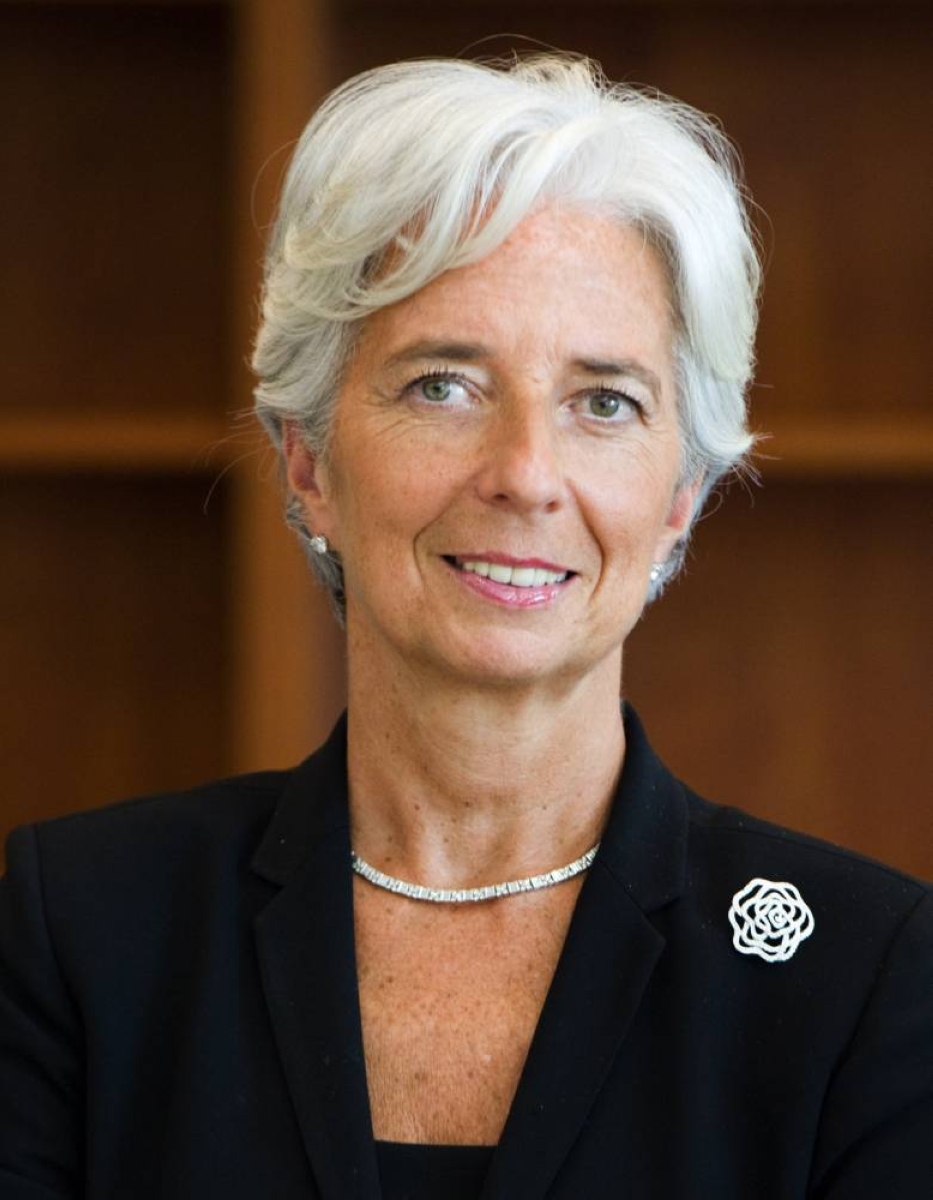
أعلنت رئيسة البنك المركزي الأوروبي كريستين لاغارد، أن المؤسسة حققت هدفها المتمثل في ضبط الأسعار، لكن حالة عدم اليقين لا تزال تلقي بظلالها على التوقعات، رغم التوصل إلى اتفاق تجاري مع الولايات المتحدة.
وفي مقابلة بُثت السبت مع هيئة الإذاعة الدانماركية «دي آر تي في»، قالت لاغارد: «ينبغي أن تستهدف أسعار الفائدة مستوى التضخم، وهذا ما نستهدفه بالفعل، وقد وصلنا إليه الآن».
وأضافت لاغارد: «انخفض مستوى عدم اليقين إلى النصف تقريباً، وهذا تحسن ملحوظ عما كان عليه الوضع سابقاً، لكن لا يزال هناك قدر من عدم اليقين، وعلى الجميع التعامل معه».
تكاليف الاقتراض
أبقى البنك المركزي الأوروبي تكاليف الاقتراض دون تغيير الأسبوع الماضي للاجتماع الثاني، عقب ثمانية تخفيضات بمقدار ربع نقطة مئوية خلال عام واحد.
ويتوقع صُناع السياسة النقدية أن يستقر التضخم حول هدفه البالغ 2% بعد تراجع مؤقت متوقع في العام القادم، على أن يستعيد الاقتصاد زخمه خلال الأرباع القادمة.
وأوضح العديد من المسؤولين أنهم لا يرون حاجة لمزيد من إجراءات التيسير طالما لم يتعرض الاقتصاد لصدمة كبيرة، بينما أشار آخرون إلى أن خيار اتخاذ خطوات إضافية يجب ألا يُستبعد تماماً.
European Central Bank President Christine Lagarde announced that the institution has achieved its goal of price stability, but uncertainty still casts a shadow over the forecasts, despite reaching a trade agreement with the United States.
In an interview broadcast on Saturday with Danish Broadcasting Corporation "DR TV," Lagarde said, "Interest rates should target the level of inflation, and that is what we are indeed targeting, and we have now reached it."
Lagarde added, "The level of uncertainty has decreased by almost half, which is a significant improvement from what the situation was previously, but there is still a degree of uncertainty, and everyone must deal with it."
Borrowing Costs
The European Central Bank kept borrowing costs unchanged last week for the second meeting, following eight cuts of a quarter percentage point over the course of a year.
Monetary policymakers expect inflation to stabilize around its target of 2% after a temporary decline expected next year, with the economy regaining momentum in the coming quarters.
Many officials clarified that they do not see a need for further easing measures as long as the economy does not face a major shock, while others indicated that the option of taking additional steps should not be completely ruled out.