صعد مؤشر الأسهم اليابانية نيكي، متجاوزاً موجة هبوط استمرت يومين، إذ ارتفعت المعنويات بفضل توقعات خفض مجلس الاحتياطي الاتحادي (البنك المركزي الأمريكي) أسعار الفائدة وتقارير مبيعات إيجابية من المتاجر الكبرى.
وكافح المؤشر نيكي 225 لتحديد اتجاهه، وهبط بما وصل إلى 0.25% في وقت ما خلال الجلسة، لكنه أنهى اليوم مرتفعاً 0.3% إلى 42310.49 نقطة.
وزاد المؤشر توبكس الأوسع نطاقاً 0.6%. وكان التداول ضعيفاً بعد عطلة للسوق في الولايات المتحدة الأمريكية.
وكانت مؤشرات الأسهم الآسيوية قد تباينت، أمس، إذ سجلت الأسواق الصينية مكاسب بعدما أظهرت استطلاعات تحسناً طفيفاً في بيانات المصانع الصينية، ما يشير إلى صمود قطاع التصنيع رغم زيادة الرسوم الجمركية الأمريكية.
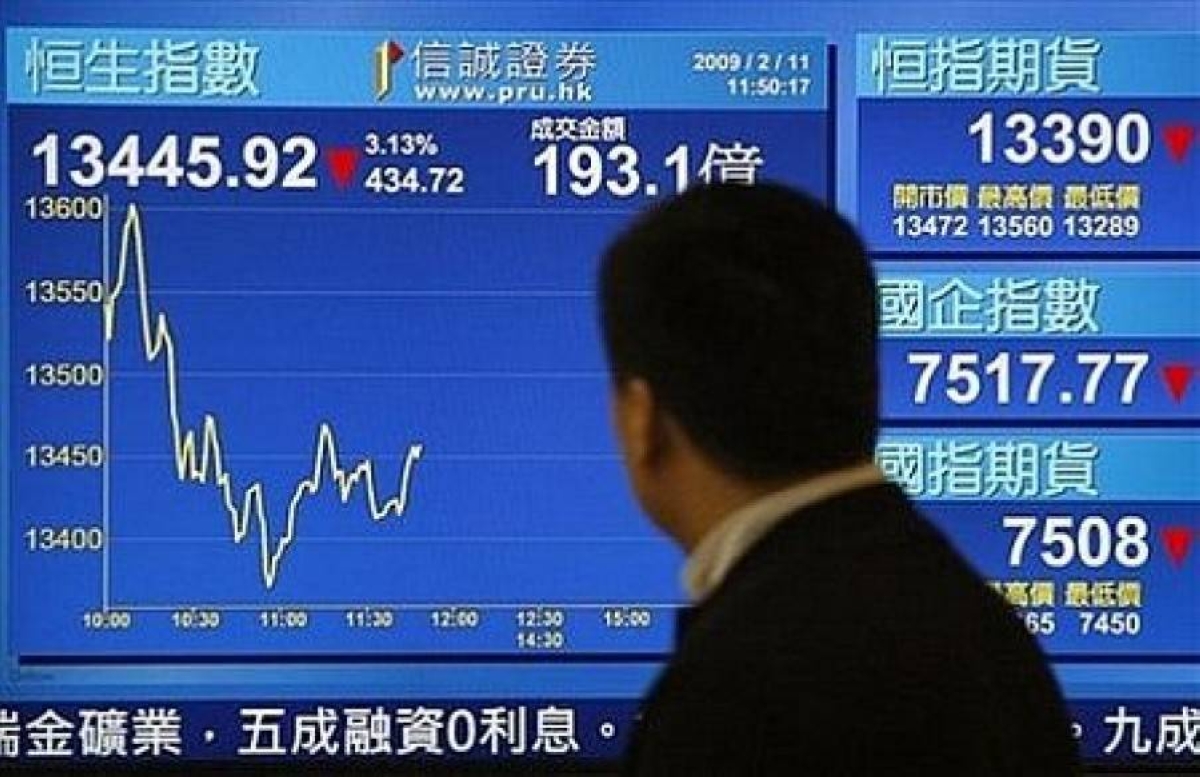
وارتفع مؤشر «هانغ سنغ» في هونغ كونغ بنسبة 2% ليصل إلى 58,255.73 نقطة، كما ارتفع مؤشر شنغهاي المركب بنسبة 3% ليصل إلى 96,386.9 نقطة.
تباين أسهم آسيا
تراجع مؤشر نيكي 225 الياباني بنسبة 2% ليصل إلى 82,418.49 نقطة، وتراجع مؤشر كوسبي في كوريا الجنوبية بنسبة 8% ليصل إلى 31,3161 نقطة. وانخفض كذلك مؤشر ستاندرد آند بورز إيه إس إكس 200 الأسترالي بنسبة 7% ليصل إلى 10,8913 نقطة.
وقفز مؤشر «هانغ سنغ» في هونغ كونغ بنسبة 2 % ليغلق عند 25,571.91 نقطة، فيما صعد مؤشر «شنغهاي» المركب بنسبة 0.3 % مسجلاً 3,869.62 نقطة وسط تداولات ضعيفة.
وأظهر مسح حكومي أن نشاط المصانع في الصين تحسن بشكل طفيف في أغسطس الماضي، إذ ارتفع مؤشر مديري المشتريات الصادر عن المكتب الوطني للإحصاء إلى 49.4 نقطة، مقارنة بـ49.3 نقطة في يوليو الماضي، علماً أن مستوى 50 يفصل بين الانكماش والنمو. أما مسح القطاع الخاص، المعروف بمؤشر مديري المشتريات التصنيعي العام، فقد أشار إلى تسجيل 50.5 نقطة في أغسطس مقابل 49.4 نقطة في الشهر السابق. وبحسب تقدير «كابيتال إيكونوميكس»، فإن متوسط المسحين 49.9 نقطة يعكس قدراً من المرونة في قطاع التصنيع.
بتوقعات خفض الفائدة.. «نيكي» يتجاوز موجة هبوط
2 سبتمبر 2025 - 20:22
|
آخر تحديث 2 سبتمبر 2025 - 20:22


تابع قناة عكاظ على الواتساب
«عكاظ» (طوكيو)
The Japanese stock index Nikkei rose, surpassing a two-day decline, as sentiment improved thanks to expectations of the Federal Reserve (the U.S. central bank) cutting interest rates and positive sales reports from major retailers.
The Nikkei 225 struggled to determine its direction, dropping by as much as 0.25% at one point during the session, but ended the day up 0.3% at 42,310.49 points.
The broader Topix index increased by 0.6%. Trading was weak following a market holiday in the United States.
Asian stock indices varied yesterday, with Chinese markets recording gains after surveys showed a slight improvement in Chinese factory data, indicating resilience in the manufacturing sector despite increased U.S. tariffs.
The Hang Seng Index in Hong Kong rose by 2% to reach 58,255.73 points, while the Shanghai Composite Index increased by 3% to reach 96,386.9 points.
Asian Stocks Varied
The Nikkei 225 index in Japan fell by 2% to 82,418.49 points, and the Kospi index in South Korea dropped by 8% to 31,316.1 points. The Australian S&P/ASX 200 index also decreased by 7% to 10,891.3 points.
The Hang Seng Index in Hong Kong jumped by 2% to close at 25,571.91 points, while the Shanghai Composite Index rose by 0.3% to record 3,869.62 points amid weak trading.
A government survey showed that factory activity in China improved slightly in August, as the Purchasing Managers' Index (PMI) released by the National Bureau of Statistics rose to 49.4 points, compared to 49.3 points in July, noting that a level of 50 separates contraction from growth. Meanwhile, the private sector survey, known as the general manufacturing PMI, indicated a reading of 50.5 points in August compared to 49.4 points in the previous month. According to Capital Economics' estimate, the average of the two surveys at 49.9 points reflects a degree of resilience in the manufacturing sector.
The Nikkei 225 struggled to determine its direction, dropping by as much as 0.25% at one point during the session, but ended the day up 0.3% at 42,310.49 points.
The broader Topix index increased by 0.6%. Trading was weak following a market holiday in the United States.
Asian stock indices varied yesterday, with Chinese markets recording gains after surveys showed a slight improvement in Chinese factory data, indicating resilience in the manufacturing sector despite increased U.S. tariffs.
The Hang Seng Index in Hong Kong rose by 2% to reach 58,255.73 points, while the Shanghai Composite Index increased by 3% to reach 96,386.9 points.
Asian Stocks Varied
The Nikkei 225 index in Japan fell by 2% to 82,418.49 points, and the Kospi index in South Korea dropped by 8% to 31,316.1 points. The Australian S&P/ASX 200 index also decreased by 7% to 10,891.3 points.
The Hang Seng Index in Hong Kong jumped by 2% to close at 25,571.91 points, while the Shanghai Composite Index rose by 0.3% to record 3,869.62 points amid weak trading.
A government survey showed that factory activity in China improved slightly in August, as the Purchasing Managers' Index (PMI) released by the National Bureau of Statistics rose to 49.4 points, compared to 49.3 points in July, noting that a level of 50 separates contraction from growth. Meanwhile, the private sector survey, known as the general manufacturing PMI, indicated a reading of 50.5 points in August compared to 49.4 points in the previous month. According to Capital Economics' estimate, the average of the two surveys at 49.9 points reflects a degree of resilience in the manufacturing sector.