


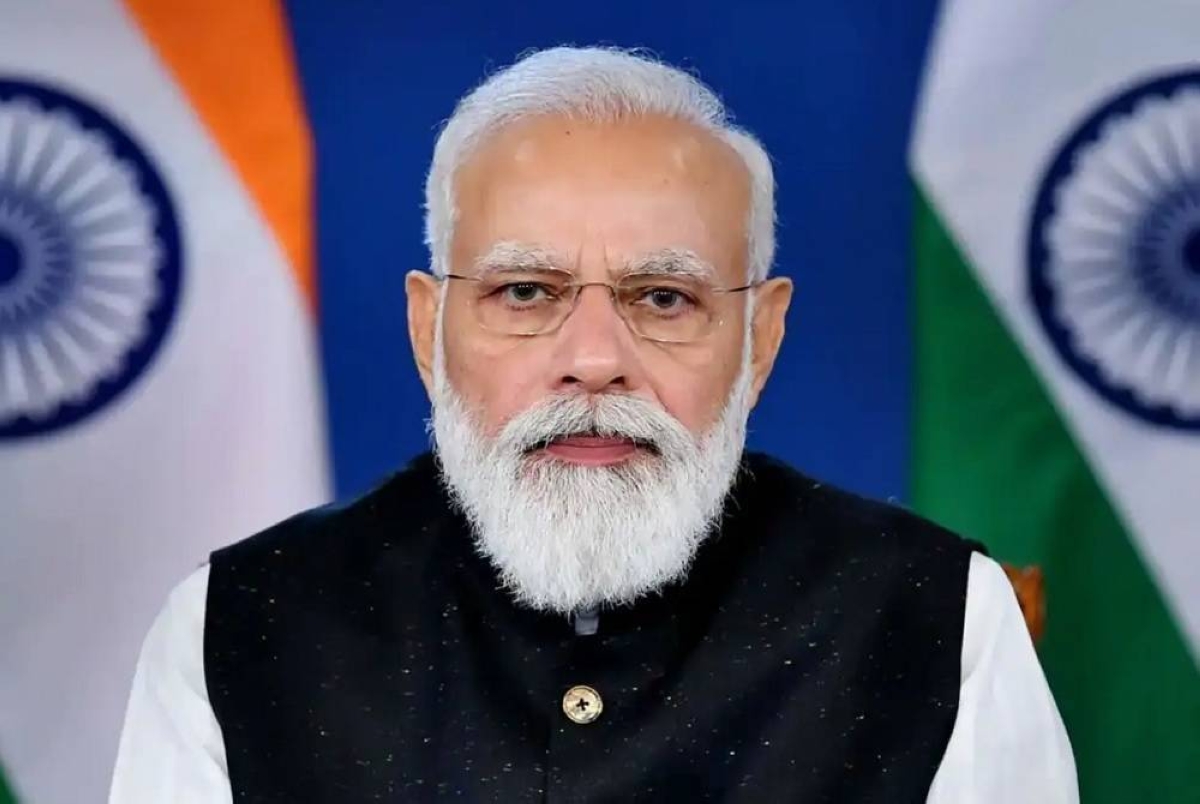
تعهد رئيس وزراء الهند ناريندرا مودي بخفض ضرائب الاستهلاك لأول مرة منذ تطبيق هذه الضرائب قبل نحو 10 سنوات؛ بهدف تحفيز الطلب المحلي في مواجهة تداعيات الرسوم الجمركية الهندية على النمو الاقتصادي.
وقال مودي في خطاب موجه إلى الأمة بمناسبة الذكرى الـ79 لاستقلال الهند في نيودلهي: «نحن نطرح إصلاحات ضريبية متطورة على السلع والخدمات، من شأنها تخفيض العبء الضريبي بشكل كبير في جميع أنحاء البلاد»، مضيفاً أنه من المتوقع دخول التعديلات الضريبية في فترة أعياد ديوالي الهندوسية المقررة في أكتوبر القادم، وستفيد الصناعات والمشروعات الصغيرة.
وذكرت وكالة بلومبيرغ للأنباء، أنه منذ فرض ضريبة الاستهلاك في الهند عام 2017، دعت الشركات الحكومة إلى تبسيط نظام ضريبة الاستهلاك المعقد. وتفرض الهند حالياً نظاماً متعدد الطبقات لضريبة الاستهلاك بمعدلات 5% و12% و18% و25% على أغلب السلع والخدمات، كما يتم فرض ضرائب إضافية على ما تُسمى بالسلع المعيبة والسجائر.
وتقترح الحكومة الهندية حالياً خفض فئات ضريبة الاستهلاك إلى فئتين بمعدلات 5% و18%، وإلغاء فئتي 12% و28%، بحسب تصريحات مسؤول هندي للصحافيين في نيودلهي.
ويعني هذا أن جميع السلع تقريباً التي كانت تخضع لضريبة بنسبة 12% ستخضع الآن لضريبة بنسبة 5%، بينما ستخضع 90% من السلع التي تخضع لضريبة بنسبة 28% لضريبة بنسبة 18%، وفقاً للمسؤول.
ويمكن لنظام ضريبي بسيط أن يساعد في تعزيز الدخل المتاح للمستهلكين وزيادة الإنفاق في اقتصاد يستعد لضربة من الرسوم الجمركية الشاملة التي فرضها الرئيس الأمريكي دونالد ترمب. كما قد تعزز هذه الخطوة مبيعات الشركات وتحسّن الامتثال الضريبي.
يُذكر أن الرئيس ترمب قرر فرض رسوم أساسية بنسبة 25% على المنتجات الهندية، إضافة إلى رسوم بنسبة 25% عقاباً للهند على قيامها بشراء النفط الروسي.
لأول مرة منذ 10 سنوات.. الهند تتجه لخفض ضريبة الاستهلاك
16 أغسطس 2025 - 18:06
|
آخر تحديث 16 أغسطس 2025 - 18:06


تابع قناة عكاظ على الواتساب
«عكاظ» (نيودلهي)
Indian Prime Minister Narendra Modi has pledged to reduce consumption taxes for the first time since these taxes were implemented nearly 10 years ago; aiming to stimulate domestic demand in the face of the impact of Indian tariffs on economic growth.
In a speech addressed to the nation on the occasion of the 79th anniversary of India's independence in New Delhi, Modi said, "We are introducing progressive tax reforms on goods and services, which will significantly reduce the tax burden across the country," adding that the tax adjustments are expected to come into effect during the upcoming Hindu Diwali festival in October, benefiting industries and small enterprises.
Bloomberg News reported that since the introduction of the consumption tax in India in 2017, companies have urged the government to simplify the complex consumption tax system. India currently imposes a multi-tiered consumption tax system with rates of 5%, 12%, 18%, and 25% on most goods and services, and additional taxes are levied on so-called sin goods and cigarettes.
The Indian government is currently proposing to reduce the consumption tax brackets to two rates of 5% and 18%, eliminating the 12% and 28% brackets, according to statements made by an Indian official to reporters in New Delhi.
This means that almost all goods that were subject to a 12% tax will now be subject to a 5% tax, while 90% of the goods that were subject to a 28% tax will be subject to an 18% tax, according to the official.
A simpler tax system could help boost disposable income for consumers and increase spending in an economy preparing for a blow from the comprehensive tariffs imposed by U.S. President Donald Trump. This move could also enhance corporate sales and improve tax compliance.
It is worth noting that President Trump decided to impose a basic tariff of 25% on Indian products, in addition to a 25% tariff as punishment for India buying Russian oil.
In a speech addressed to the nation on the occasion of the 79th anniversary of India's independence in New Delhi, Modi said, "We are introducing progressive tax reforms on goods and services, which will significantly reduce the tax burden across the country," adding that the tax adjustments are expected to come into effect during the upcoming Hindu Diwali festival in October, benefiting industries and small enterprises.
Bloomberg News reported that since the introduction of the consumption tax in India in 2017, companies have urged the government to simplify the complex consumption tax system. India currently imposes a multi-tiered consumption tax system with rates of 5%, 12%, 18%, and 25% on most goods and services, and additional taxes are levied on so-called sin goods and cigarettes.
The Indian government is currently proposing to reduce the consumption tax brackets to two rates of 5% and 18%, eliminating the 12% and 28% brackets, according to statements made by an Indian official to reporters in New Delhi.
This means that almost all goods that were subject to a 12% tax will now be subject to a 5% tax, while 90% of the goods that were subject to a 28% tax will be subject to an 18% tax, according to the official.
A simpler tax system could help boost disposable income for consumers and increase spending in an economy preparing for a blow from the comprehensive tariffs imposed by U.S. President Donald Trump. This move could also enhance corporate sales and improve tax compliance.
It is worth noting that President Trump decided to impose a basic tariff of 25% on Indian products, in addition to a 25% tariff as punishment for India buying Russian oil.


