


أطلقت الحكومة الأسترالية مشروعاً للطاقة الخضراء في منطقة نالاربور بولاية أستراليا الغربية بقيمة تصل إلى 100 مليار دولار، يهدف إلى إنتاج نحو 3.5 مليون طن سنوياً من الهيدروجين الأخضر وتصديره إلى الأسواق العالمية.
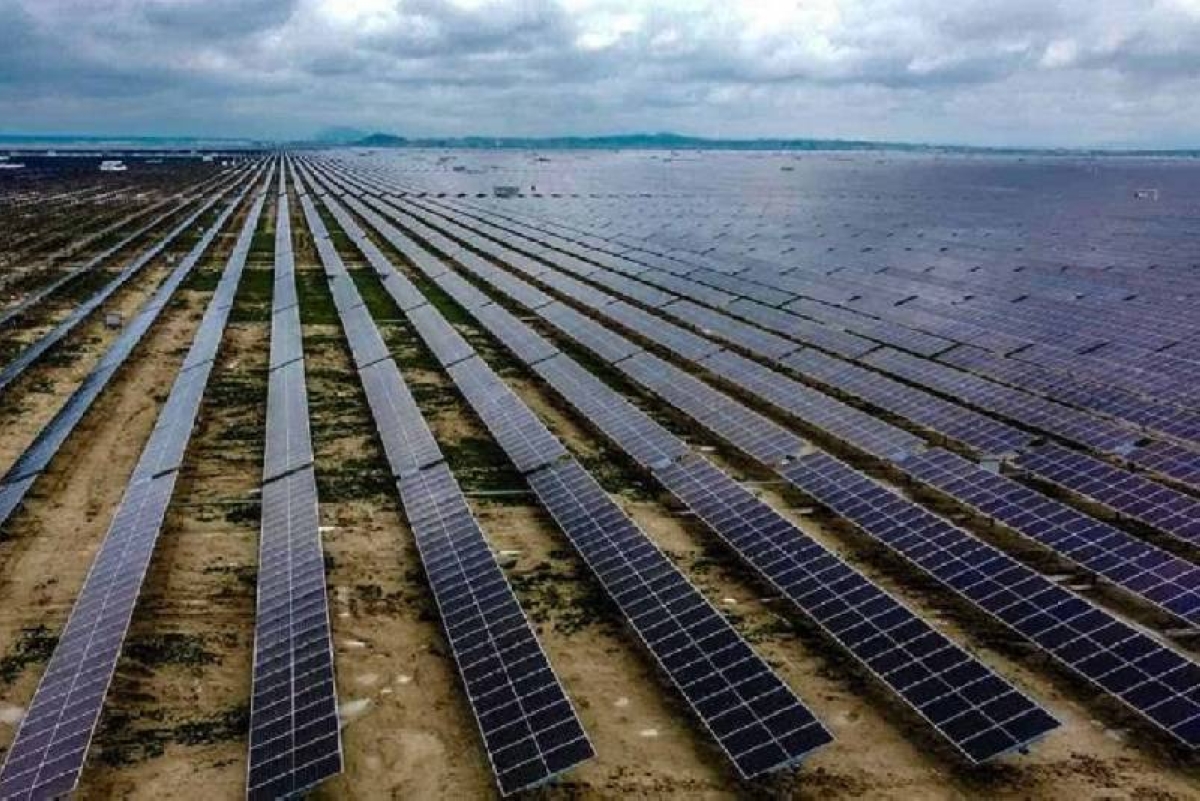
ويتضمن المشروع إنشاء مرافق لتوليد الطاقة من الشمس والرياح بقدرة إجمالية تصل إلى 50 غيغاواط، بما يسهم في خفض انبعاثات ثاني أكسيد الكربون بمقدار 10 ملايين طن سنوياً.
وأكد وزير التغير المناخي والطاقة الأسترالي كريس بوين أن المشروع يأتي في إطار التزام أستراليا بالتحول إلى اقتصاد منخفض الانبعاثات، وتعزيز مكانتها في سوق الطاقة المتجددة العالمية، وتلبية الطلب المتزايد على خيارات الطاقة النظيفة في الأسواق الآسيوية والأوروبية. وأشار الوزير إلى أنه يمثل خطوة إستراتيجية لتعزيز موقع أستراليا كمصدر عالمي للطاقة النظيفة.
يذكر أن القطاع الخدمي يسيطر على الاقتصاد في أستراليا، إذ يُمثل 61.1% من الناتج المحلي الإجمالي، ويعمل به نحو 79.2% من الأيدي العاملة. وتعتبر المنطقة الشرق آسيوية (بما في ذلك رابطة دول جنوب شرق آسيا وآسيا الشمالية الشرقية) من أهم الوجهات التصديرية، إذ مثلّت نحو 64% من وجهة الصادرات، كما حازت أستراليا على ثامن أعلى قيمة إجمالية تقديرية للموارد الطبيعية، بقيمة 19.9 تريليون دولار.
100 مليار دولار تكلفة مشروع للطاقة الخضراء في أستراليا
16 أغسطس 2025 - 15:52
|
آخر تحديث 16 أغسطس 2025 - 15:52


تابع قناة عكاظ على الواتساب
«عكاظ» (سيدني)
The Australian government has launched a green energy project in the Nullarbor region of Western Australia, valued at up to $100 billion, aimed at producing about 3.5 million tons of green hydrogen annually and exporting it to global markets.
The project includes the establishment of facilities for generating energy from solar and wind with a total capacity of up to 50 gigawatts, contributing to a reduction in carbon dioxide emissions by 10 million tons per year.
Australian Minister for Climate Change and Energy Chris Bowen confirmed that the project is part of Australia’s commitment to transitioning to a low-emission economy, enhancing its position in the global renewable energy market, and meeting the growing demand for clean energy options in Asian and European markets. The minister noted that it represents a strategic step to strengthen Australia’s position as a global supplier of clean energy.
It is worth mentioning that the service sector dominates the economy in Australia, accounting for 61.1% of the gross domestic product, with about 79.2% of the workforce employed in this sector. The East Asian region (including the Association of Southeast Asian Nations and Northeast Asia) is one of the most important export destinations, representing about 64% of export destinations, and Australia has the eighth highest estimated total value of natural resources, valued at $19.9 trillion.
The project includes the establishment of facilities for generating energy from solar and wind with a total capacity of up to 50 gigawatts, contributing to a reduction in carbon dioxide emissions by 10 million tons per year.
Australian Minister for Climate Change and Energy Chris Bowen confirmed that the project is part of Australia’s commitment to transitioning to a low-emission economy, enhancing its position in the global renewable energy market, and meeting the growing demand for clean energy options in Asian and European markets. The minister noted that it represents a strategic step to strengthen Australia’s position as a global supplier of clean energy.
It is worth mentioning that the service sector dominates the economy in Australia, accounting for 61.1% of the gross domestic product, with about 79.2% of the workforce employed in this sector. The East Asian region (including the Association of Southeast Asian Nations and Northeast Asia) is one of the most important export destinations, representing about 64% of export destinations, and Australia has the eighth highest estimated total value of natural resources, valued at $19.9 trillion.


