


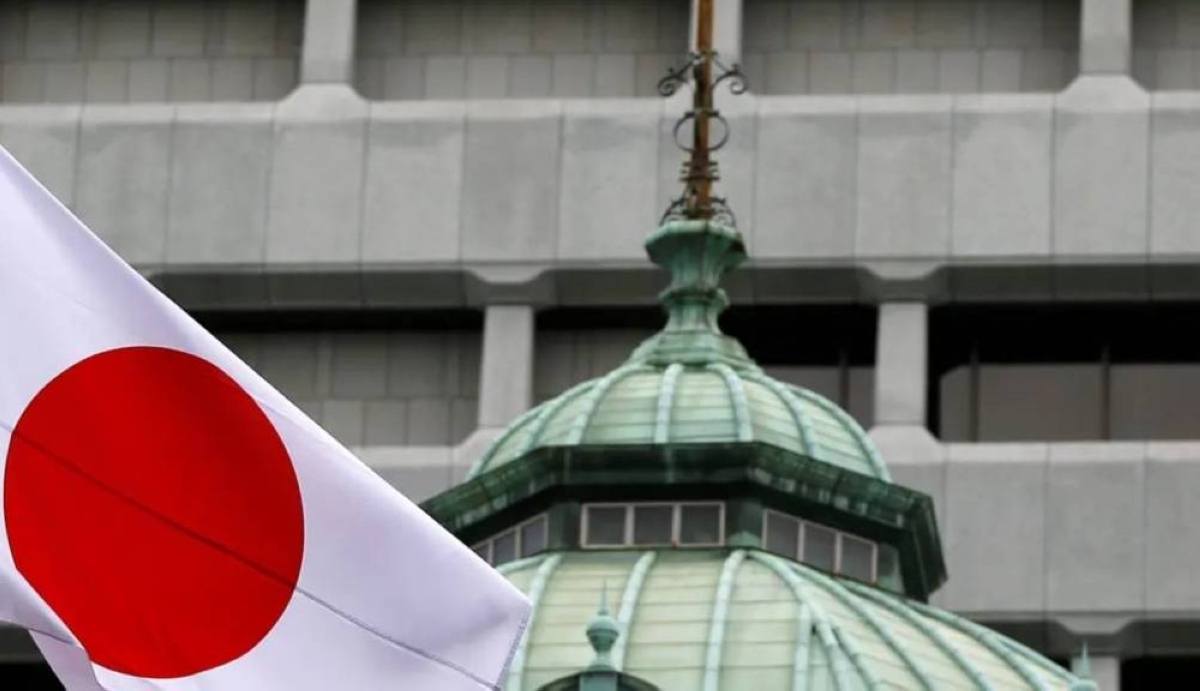
رجّح البنك المركزي الياباني أن أرباح الشركات ستتراجع هذا العام بسبب الرسوم الجمركية الأمريكية، ما سيدفعها إلى خفض خططها للإنفاق الرأسمالي، في ظل تنامي المخاوف بشأن التأثير المحتمل على اقتصاد البلاد المعتمد على التصدير.
وأوضح بنك اليابان، في النسخة الكاملة من تقريره حول التوقعات الاقتصادية، أن شركات صناعة السيارات اليابانية تحمّلت التكاليف المتزايدة الناجمة عن الرسوم الجمركية بدلاً من تمريرها إلى المستهلكين الأمريكيين، وهو ما انعكس في تراجع أسعار الصادرات بنحو 20% منذ أبريل.
وأضاف البنك: «يشير هذا إلى أن شركات السيارات اليابانية تتجنب رفع الأسعار، الذي قد يؤدي إلى انخفاض حجم المبيعات، وذلك على حساب تدهور ربحيتها».
وأشار إلى أن التأثير الكامل للرسوم الجمركية الأمريكية على الصادرات اليابانية سيصبح أكثر وضوحاً عندما يبدأ حجم التجارة العالمية، المتضخم حالياً بسبب تعجيل الشركات في الشحنات لتفادي الرسوم الأمريكية الأعلى في التراجع.
وذكر البنك أنه «نظراً لتأثيرات الرسوم الجمركية الأمريكية المباشرة وغير المباشرة، فإن الشركات اليابانية تواجه احتمالاً متزايداً لانخفاض الأرباح خلال السنة المالية الحالية»، مشدداً على ضرورة مراقبة تأثير تراجع الأرباح على استعداد الشركات لمواصلة رفع الأجور.
ورغم ذلك، أشار بنك اليابان إلى أن الرسوم الأمريكية لم تحدث بعد أي تغييرات كبيرة في خطط الشركات اليابانية المتعلقة بالإنفاق الرأسمالي.
هل تتراجع أرباح الشركات اليابانية بسبب رسوم الجمارك؟
2 أغسطس 2025 - 15:51
|
آخر تحديث 2 أغسطس 2025 - 15:51


تابع قناة عكاظ على الواتساب
«عكاظ» (طوكيو)
The Bank of Japan has indicated that corporate profits are expected to decline this year due to U.S. tariffs, which will prompt companies to cut their capital expenditure plans amid growing concerns about the potential impact on the export-dependent economy of the country.
The Bank of Japan explained in the full version of its economic outlook report that Japanese automakers have absorbed the rising costs from the tariffs instead of passing them on to American consumers, which has been reflected in a roughly 20% drop in export prices since April.
The bank added, "This indicates that Japanese automakers are avoiding price increases, which could lead to a decrease in sales volume, at the expense of their profitability."
It noted that the full impact of U.S. tariffs on Japanese exports will become clearer when the currently inflated global trade volume, due to companies rushing shipments to avoid higher U.S. tariffs, begins to decline.
The bank mentioned that "given the direct and indirect effects of U.S. tariffs, Japanese companies are facing an increasing likelihood of profit declines during the current fiscal year," emphasizing the need to monitor the impact of declining profits on companies' willingness to continue raising wages.
Nevertheless, the Bank of Japan pointed out that U.S. tariffs have not yet caused any significant changes in Japanese companies' capital expenditure plans.
The Bank of Japan explained in the full version of its economic outlook report that Japanese automakers have absorbed the rising costs from the tariffs instead of passing them on to American consumers, which has been reflected in a roughly 20% drop in export prices since April.
The bank added, "This indicates that Japanese automakers are avoiding price increases, which could lead to a decrease in sales volume, at the expense of their profitability."
It noted that the full impact of U.S. tariffs on Japanese exports will become clearer when the currently inflated global trade volume, due to companies rushing shipments to avoid higher U.S. tariffs, begins to decline.
The bank mentioned that "given the direct and indirect effects of U.S. tariffs, Japanese companies are facing an increasing likelihood of profit declines during the current fiscal year," emphasizing the need to monitor the impact of declining profits on companies' willingness to continue raising wages.
Nevertheless, the Bank of Japan pointed out that U.S. tariffs have not yet caused any significant changes in Japanese companies' capital expenditure plans.


