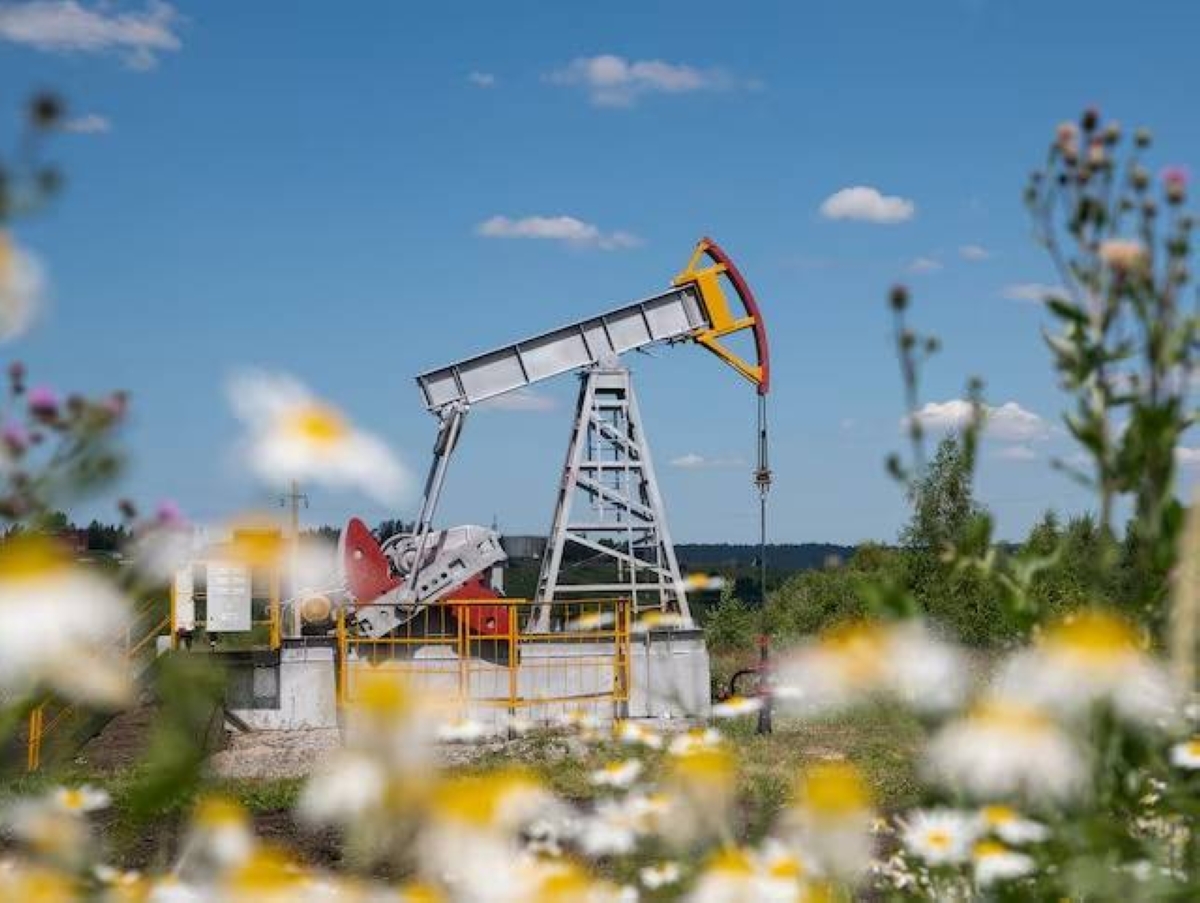
استقرت أسعار النفط، اليوم (الخميس)، مع تقييم المستثمرين لمخاطر نقص الإمدادات وسط تصريحات الرئيس الأمريكي دونالد ترمب الذي يضغط من أجل حل سريع للحرب في أوكرانيا عبر فرض المزيد من الرسوم الجمركية، ومع ذلك، أثرت زيادة غير متوقعة في مخزونات النفط الخام الأمريكية على الأسعار.
وانخفضت العقود الآجلة لخام برنت لشهر سبتمبر، التي تنتهي صلاحيتها الخميس، بنسبة 0.1% أو 10 سنتات لتصل إلى 73.14 دولار للبرميل بحلول الساعة 03.45 بتوقيت غرينتش، كما تراجع عقد برنت لشهر أكتوبر، الأكثر نشاطًا، بنسبة 0.2% أو 14 سنتًا ليصل إلى 72.33 دولارًا.
في الوقت نفسه، هبطت العقود الآجلة لخام غرب تكساس الوسيط الأمريكي لشهر سبتمبر بنسبة 0.1% أو 5 سنتات إلى 69.95 دولار للبرميل، وكانت الأسعار ارتفعت بنسبة 1% يوم الأربعاء.
وأوضحت بريانكا ساشديفا، كبيرة محللي السوق في شركة فيليب نوفا لـ«رويترز»، أن أسواق النفط تشهد حالة من التذبذب ضمن نطاق ضيق، حيث يفتقر المشترون والبائعون إلى الحافز لدفع الأسعار للأعلى أو الأسفل بشكل حاسم، خصوصا مع اقتراب موعد فرض الرسوم الجمركية الأمريكية الجديدة في الأول من أغسطس.
وأضافت أن تصريحات ترمب الحادة بشأن العقوبات على النفط الروسي تدعم أسعار السوق المرتفعة، لكن قوة الدولار، وتباطؤ المؤشرات الاقتصادية العالمية، وزيادة مخزونات النفط الأمريكية تحد من المكاسب.
وأشار ترمب إلى أنه سيبدأ في فرض إجراءات على روسيا، بما في ذلك رسوم جمركية بنسبة 100% على شركائها التجاريين، إذا لم تحرز تقدمًا في إنهاء الحرب خلال 10-12 يومًا، وهي مهلة أقصر من الـ50 يومًا التي حددها سابقًا.
من جانبه، قال توشيتاكا تازاوا، محلل في شركة فوجيتومي للأوراق المالية، إن المخاوف من أن الرسوم الجمركية الثانوية على الدول المستوردة للنفط الروسي ستؤدي إلى تضييق الإمدادات وتدفع المستثمرين إلى زيادة الشراء.
كما حذرت الولايات المتحدة الصين، أكبر مستورد للنفط الروسي، من فرض رسوم جمركية كبيرة إذا استمرت في شراء النفط.
وأعلنت وزارة الخزانة الأمريكية أمس (الأربعاء)، فرض عقوبات جديدة على أكثر من 115 فردًا وكيانًا وأوعية مرتبطة بإيران، في إشارة إلى تصعيد إدارة ترمب لحملة الضغط الأقصى بعد قصف مواقع نووية إيرانية رئيسية في يونيو.
وأظهرت بيانات إدارة معلومات الطاقة الأمريكية ارتفاع مخزونات النفط الخام بمقدار 7.7 مليون برميل خلال الأسبوع المنتهي في 25 يوليو، لتصل إلى 426.7 مليون برميل بسبب انخفاض الصادرات، بينما كان المحللون يتوقعون انخفاضًا بمقدار 1.3 مليون برميل.
وعلى صعيد آخر، انخفضت مخزونات البنزين بمقدار 2.7 مليون برميل إلى 228.4 مليون برميل، متجاوزة التوقعات بانخفاض قدره 600,000 برميل.
وقال «تازاوا» إن البيانات الأمريكية أظهرت زيادة مفاجئة في مخزونات النفط الخام، لكن الانخفاض الكبير في مخزونات البنزين عزز وجهة النظر بأن الطلب قوي خلال موسم القيادة، مما أدى إلى تأثير محايد على سوق النفط.
Oil prices stabilized today (Thursday) as investors assessed the risks of supply shortages amid comments from U.S. President Donald Trump, who is pushing for a quick resolution to the war in Ukraine by imposing more tariffs. However, an unexpected increase in U.S. crude oil inventories affected prices.
Brent crude futures for September, which expire on Thursday, fell by 0.1% or 10 cents to $73.14 per barrel by 03:45 GMT. The more active October Brent contract also declined by 0.2% or 14 cents to $72.33.
At the same time, West Texas Intermediate (WTI) crude futures for September dropped by 0.1% or 5 cents to $69.95 per barrel, after prices had risen by 1% on Wednesday.
Priyanka Sachdeva, senior market analyst at Phillip Nova, told Reuters that the oil markets are experiencing volatility within a narrow range, as buyers and sellers lack the incentive to push prices decisively higher or lower, especially with the new U.S. tariffs set to take effect on August 1.
She added that Trump's sharp comments regarding sanctions on Russian oil support higher market prices, but the strength of the dollar, slowing global economic indicators, and rising U.S. oil inventories are limiting gains.
Trump indicated that he would begin imposing measures on Russia, including a 100% tariff on its trading partners, if no progress is made in ending the war within 10-12 days, a shorter deadline than the 50 days previously set.
For his part, Toshitaka Tazawa, an analyst at Fujitomi Securities, stated that concerns that secondary tariffs on countries importing Russian oil will tighten supplies are driving investors to increase their purchases.
The U.S. has also warned China, the largest importer of Russian oil, of imposing significant tariffs if it continues to buy oil.
Yesterday (Wednesday), the U.S. Treasury Department announced new sanctions on more than 115 individuals and entities linked to Iran, signaling the Trump administration's escalation of its maximum pressure campaign following the bombing of key Iranian nuclear sites in June.
Data from the U.S. Energy Information Administration showed that crude oil inventories rose by 7.7 million barrels during the week ending July 25, reaching 426.7 million barrels due to a decline in exports, while analysts had expected a decrease of 1.3 million barrels.
On another note, gasoline inventories fell by 2.7 million barrels to 228.4 million barrels, exceeding expectations of a decline of 600,000 barrels.
Tazawa stated that the U.S. data showed a surprising increase in crude oil inventories, but the significant drop in gasoline inventories reinforced the view that demand is strong during the driving season, resulting in a neutral impact on the oil market.