


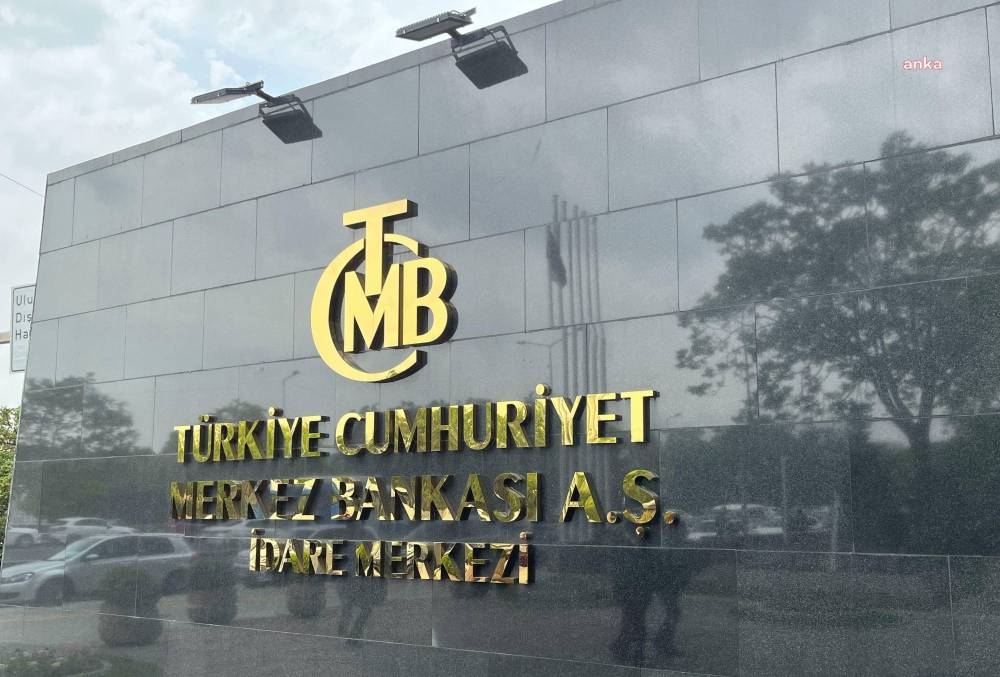
رفع البنك المركزي التركي نسب الاحتياطي الإلزامية على الالتزامات قصيرة الأجل في الخارج، في محاولة لإثناء البنوك المحلية عن السعي وراء الحصول على الليرة الرخيصة من الأسواق الخارجية.
ورفع البنك في وقت مبكر اليوم السبت، نسب الاحتياطي الإلزامية إلى 18% على الاستحقاقات التي تبلغ مدتها شهراً في الصناديق المقومة بالليرة من عملية إعادة الشراء والقروض التي يتم الحصول عليها من الخارج، وإلى 14% للاستحقاقات التي تبلغ مدتها ثلاثة أشهر، بحسب وكالة بلومبيرغ للأنباء.
وكانت نسبة الاحتياطي الإلزامية السابقة 12% على الاستحقاقات التي تبلغ مدتها عاما من عمليات إعادة الشراء والقروض بالخارج.
ويمكن للبنوك التركية استخدام عمليات إعادة الشراء والقروض الخارجية للحصول على الليرة بسعر منخفض من الخارج.
يذكر أن الاقتصاد التركي اختتم العام الماضي بأرقام قياسية وإنجازات اقتصادية لافتة رغم التحديات المحلية والعالمية، وأعلن الرئيس التركي رجب طيب أردوغان، في وقت سابق، أن الاقتصاد التركي شهد نمواً متواصلاً على مدار 17 ربعاً، مسجلاً معدل نمو بنسبة 2.1% في الربع الثالث من العام، في حين بلغ معدل النمو خلال الأشهر التسعة الأولى نحو 3.2%، مما يعكس استمرار الأداء الاقتصادي الإيجابي.
تركيا: «المركزي» يرفع نسب الاحتياطي الإلزامية إلى 18 %
24 مايو 2025 - 21:42
|
آخر تحديث 24 مايو 2025 - 21:42


تابع قناة عكاظ على الواتساب
«عكاظ» (إسطنبول)
The Central Bank of Turkey raised the mandatory reserve ratios on short-term foreign liabilities in an attempt to deter local banks from seeking cheap lira from foreign markets.
Earlier today, Saturday, the bank raised the mandatory reserve ratios to 18% for obligations with a one-month maturity in lira-denominated funds from repurchase agreements and loans obtained from abroad, and to 14% for obligations with a three-month maturity, according to Bloomberg News.
The previous mandatory reserve ratio was 12% for obligations with a one-year maturity from repurchase agreements and loans abroad.
Turkish banks can use repurchase agreements and foreign loans to obtain lira at a low price from abroad.
It is worth noting that the Turkish economy concluded last year with record figures and remarkable economic achievements despite local and global challenges. Turkish President Recep Tayyip Erdoğan previously announced that the Turkish economy has experienced continuous growth over 17 quarters, recording a growth rate of 2.1% in the third quarter of the year, while the growth rate during the first nine months was about 3.2%, reflecting the continued positive economic performance.
Earlier today, Saturday, the bank raised the mandatory reserve ratios to 18% for obligations with a one-month maturity in lira-denominated funds from repurchase agreements and loans obtained from abroad, and to 14% for obligations with a three-month maturity, according to Bloomberg News.
The previous mandatory reserve ratio was 12% for obligations with a one-year maturity from repurchase agreements and loans abroad.
Turkish banks can use repurchase agreements and foreign loans to obtain lira at a low price from abroad.
It is worth noting that the Turkish economy concluded last year with record figures and remarkable economic achievements despite local and global challenges. Turkish President Recep Tayyip Erdoğan previously announced that the Turkish economy has experienced continuous growth over 17 quarters, recording a growth rate of 2.1% in the third quarter of the year, while the growth rate during the first nine months was about 3.2%, reflecting the continued positive economic performance.


