


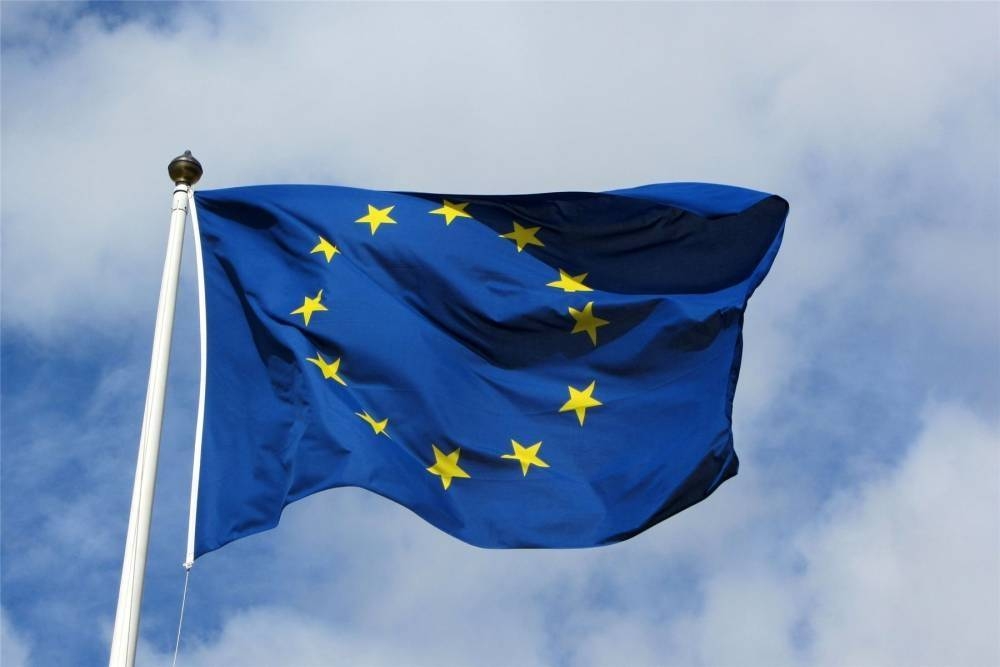
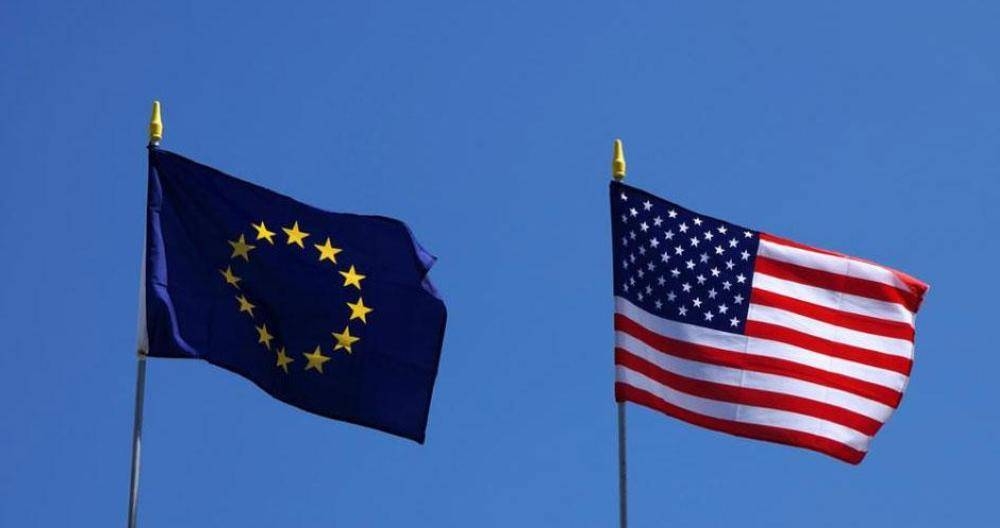
فيما استبعد الرئيس الأمريكي دونالد ترمب، التوصل إلى اتفاق بشأن التجارة مع الاتحاد الأوروبي، مكرراً تهديده بفرض رسوم جمركية بنسبة 50% على السلع التي مصدرها التكتل، دعت فرنسا أخيراً، إلى احتواء التصعيد في قضية الرسوم الجمركية، مؤكدة في الوقت نفسه أن الاتحاد الأوروبي مستعد للرد.
وقال الوزير الفرنسي المنتدب للتجارة الخارجية لوران سان مارتين على منصة إكس:«إن تهديدات ترمب الجديدة بزيادة الرسوم الجمركية لا تُجدي خلال فترة المفاوضات بين الاتحاد الأوروبي والولايات المتحدة، نحن نحافظ على النهج نفسه، احتواء التصعيد، لكننا مستعدون للرد».
وفي سياق متصل، أضاف وزير الخارجية الألماني يوهان فاديبول: «إن تهديد الرئيس الأمريكي دونالد ترمب بزيادة الرسوم الجمركية على تجارة الاتحاد الأوروبي لن يعود بالنفع على أي طرف وإن برلين ستواصل دعم الاتحاد الأوروبي للتفاوض مع واشنطن».
وفي حديثه إلى جانب نظيره الهندي سوبرامانيام جيشينكار في برلين، أشار فاديبول إلى أن ألمانيا تأمل في أن يتوصل الاتحاد الأوروبي لاتفاق للتجارة الحرة مع الهند بحلول نهاية العام.
وذكر فاديبول أن المفوضية الأوروبية تحظى بدعمنا الكامل في الحفاظ على وصولنا إلى السوق الأمريكية، وأعتقد أن مثل هذه الرسوم لا تفيد أحداً، إنها ستلحق الضرر بالتنمية الاقتصادية في كلا السوقين.
ومضي يقول «لهذا السبب، نواصل المفاوضات وندعم المفوضية الأوروبية، نريد الدفاع عن أوروبا وأسواقها مع ممارسة نفوذنا في السوق الأمريكية في آن واحد».
وكانت رئيسة البنك المركزي الأوروبي كريستين لاغارد قد حذرت أمس، من أن التجارة الدولية تغيرت للأبد بسبب التوترات الناجمة عن فرض الرسوم الجمركية، وذلك رغم أن الاقتصادات الكبرى في العالم تتحرك نحو التوصل لحلول وسط في هذا الشأن.
وقالت لاغارد في مقابلة مع هيئة الإذاعة الكندية على هامش اجتماع كبار المسؤولين الماليين بمجموعة الدول السبع الصناعية الكبرى، في كندا: «في حين أن من الواضح أن التجارة الدولية لن تعود أبداً لسابق عهدها، من الواضح أيضاً أنه سيكون هناك المزيد من المفاوضات».
ونقلت وكالة بلومبيرغ للأنباء عن لاغارد قولها: «ستكون هناك المزيد من التحركات من جانب كافة الشركاء في نظام التجارة، من أجل الحد على الأرجح من الاختلالات الكبيرة لدينا، والقائمة منذ فترة طويلة».
وذكرت رئيسة البنك المركزي الأوروبي أن تأثير الرسوم الجمركية على التضخم هو مسألة دقيقة للغاية، فهناك كثير من العوامل التي تتحرك في هذه اللحظة، وسوف يكون بمقدورنا تقييم تأثيرها مع تقدم المفاوضات، وتطور سياق جديد.
بعد التهديد بفرضها بنسبة 50 %
هل يستعد الاتحاد الأوروبي للرد على رسوم ترمب ؟
24 مايو 2025 - 16:41
|
آخر تحديث 24 مايو 2025 - 17:09


تابع قناة عكاظ على الواتساب
«عكاظ» (بروكسل)
While U.S. President Donald Trump ruled out reaching a trade agreement with the European Union, reiterating his threat to impose a 50% tariff on goods originating from the bloc, France recently called for de-escalation in the tariff issue, while also confirming that the European Union is ready to respond.
French Minister Delegate for Foreign Trade Laurent Saint-Martin stated on platform X: "Trump's new threats to increase tariffs are not effective during the negotiations between the European Union and the United States. We maintain the same approach, de-escalation, but we are ready to respond."
In a related context, German Foreign Minister Johan Wadephol added: "The threat from U.S. President Donald Trump to increase tariffs on European Union trade will not benefit any party, and Berlin will continue to support the European Union in negotiating with Washington."
Speaking alongside his Indian counterpart Subrahmanyam Jaishankar in Berlin, Wadephol noted that Germany hopes the European Union will reach a free trade agreement with India by the end of the year.
Wadephol mentioned that the European Commission has our full support in maintaining our access to the U.S. market, and I believe such tariffs benefit no one; they will harm economic development in both markets.
He went on to say, "For this reason, we continue negotiations and support the European Commission; we want to defend Europe and its markets while exerting our influence in the U.S. market at the same time."
European Central Bank President Christine Lagarde warned yesterday that international trade has changed forever due to tensions arising from the imposition of tariffs, even as the world's major economies move towards finding compromises on this issue.
Lagarde stated in an interview with Canadian Broadcasting Corporation on the sidelines of the G7 finance ministers' meeting in Canada: "While it is clear that international trade will never return to what it was, it is also clear that there will be more negotiations."
Bloomberg News reported Lagarde saying: "There will be more movements from all partners in the trade system to likely reduce our long-standing significant imbalances."
The President of the European Central Bank noted that the impact of tariffs on inflation is a very delicate matter, as there are many factors at play at this moment, and we will be able to assess their impact as negotiations progress and a new context develops.
French Minister Delegate for Foreign Trade Laurent Saint-Martin stated on platform X: "Trump's new threats to increase tariffs are not effective during the negotiations between the European Union and the United States. We maintain the same approach, de-escalation, but we are ready to respond."
In a related context, German Foreign Minister Johan Wadephol added: "The threat from U.S. President Donald Trump to increase tariffs on European Union trade will not benefit any party, and Berlin will continue to support the European Union in negotiating with Washington."
Speaking alongside his Indian counterpart Subrahmanyam Jaishankar in Berlin, Wadephol noted that Germany hopes the European Union will reach a free trade agreement with India by the end of the year.
Wadephol mentioned that the European Commission has our full support in maintaining our access to the U.S. market, and I believe such tariffs benefit no one; they will harm economic development in both markets.
He went on to say, "For this reason, we continue negotiations and support the European Commission; we want to defend Europe and its markets while exerting our influence in the U.S. market at the same time."
European Central Bank President Christine Lagarde warned yesterday that international trade has changed forever due to tensions arising from the imposition of tariffs, even as the world's major economies move towards finding compromises on this issue.
Lagarde stated in an interview with Canadian Broadcasting Corporation on the sidelines of the G7 finance ministers' meeting in Canada: "While it is clear that international trade will never return to what it was, it is also clear that there will be more negotiations."
Bloomberg News reported Lagarde saying: "There will be more movements from all partners in the trade system to likely reduce our long-standing significant imbalances."
The President of the European Central Bank noted that the impact of tariffs on inflation is a very delicate matter, as there are many factors at play at this moment, and we will be able to assess their impact as negotiations progress and a new context develops.


