


في لحظة دقيقة يمر بها لبنان، تطفو إلى السطح قضية مالية وقانونية تثير تساؤلات حول مستقبل التزامه بالإصلاح والشفافية، وهي مسألة لا تعني اللبنانيين وحدهم، بل تنعكس مباشرة على ثقة شركائه العرب والدوليين.
فالعقد الذي أبرمه مصرف لبنان مع شركة أمريكية متخصصة في الامتثال المالي أثار اعتراضات رسمية وتشريعية واسعة، وسط اتهامات بمخالفة قانون الشراء العام، وتضارب مصالح قد يضر بصورة لبنان في المحافل الدولية.
هذا الجدل لا يقتصر على الجانب القانوني الداخلي، بل يتصل أيضاً بمدى قدرة لبنان على استعادة ثقة الأسواق العربية، خصوصاً الخليجية، في وقت يحتاج فيه أكثر من أي وقت مضى إلى دعم استثماري وتمويلي خارجي. كما يراقب المجتمع الدولي، مدى التزام بيروت بتطبيق المعايير الصارمة لمكافحة غسل الأموال وتمويل الإرهاب.
القضية المطروحة اليوم، ليست تفصيلاً إدارياً محلياً، بل اختبار جدي لصورة لبنان أمام شركائه العرب الذين يطالبون بإصلاحات جذرية كشرط أساسي لاستئناف أي دعم اقتصادي.
اللائحة الرمادية
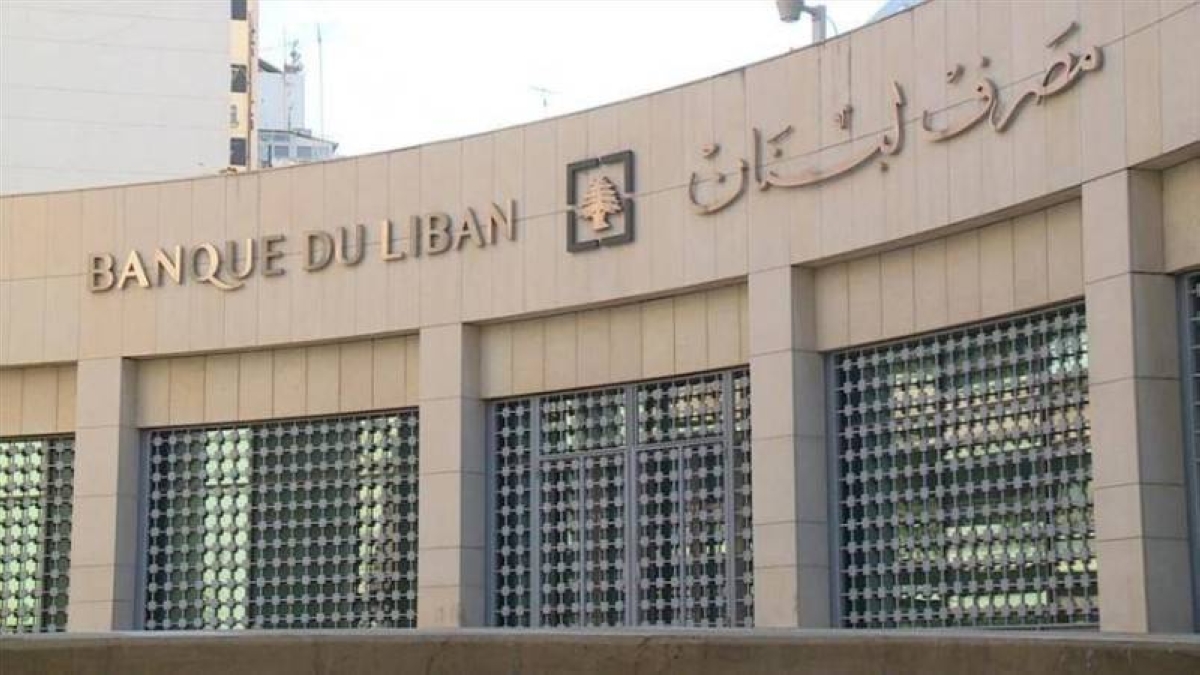
في التفاصيل، وبتاريخ 14 يوليو 2025، أعلن مصرف لبنان المركزي توقيع عقد بقيمة 12 مليون دولار مع إحدى الشركات للمساعدة على إخراج لبنان من «اللائحة الرمادية» لمجموعة العمل المالي. لكن هيئة الشراء العام سارعت إلى الاعتراض، معتبرة أن الظروف الاستثنائية التي سمحت بمثل هذا التعاقد زالت منذ فترة.
هذا الموقف فتح الباب أمام تحرك سياسي لافت، إذ تقدم 25 نائباً بسؤال رسمي إلى الحكومة يطالبون فيه بالكشف عن تفاصيل العقد: كلفته، طبيعته، والجهة التي فوضت المصرف بإبرامه.
مصادر نيابية وحكومية أكدت لـ«عكاظ» أن الاعتراض لا يستهدف الشركة بحد ذاتها، بل غياب الشفافية القانونية في الصفقة، محذرة من أن تتحول إلى سابقة تفتح الباب أمام عقود مشابهة في المستقبل.
بعد صفقة «المركزي».. هل يستعيد لبنان ثقة الأسواق العربية؟
6 سبتمبر 2025 - 14:29
|
آخر تحديث 6 سبتمبر 2025 - 15:36


تابع قناة عكاظ على الواتساب
«عكاظ» (بيروت)
In a critical moment for Lebanon, a financial and legal issue has surfaced, raising questions about its commitment to reform and transparency, a matter that concerns not only the Lebanese but also directly affects the trust of its Arab and international partners.
The contract signed by the Central Bank of Lebanon with an American company specializing in financial compliance has sparked widespread official and legislative objections, amid accusations of violating public procurement law and conflicts of interest that could harm Lebanon's image in international forums.
This controversy is not limited to the internal legal aspect, but also relates to Lebanon's ability to regain the trust of Arab markets, especially the Gulf, at a time when it needs external investment and financial support more than ever. The international community is also monitoring Beirut's commitment to applying strict standards for combating money laundering and financing terrorism.
The issue at hand today is not a mere local administrative detail, but a serious test of Lebanon's image before its Arab partners who demand fundamental reforms as a prerequisite for resuming any economic support.
The Grey List
In detail, on July 14, 2025, the Central Bank of Lebanon announced the signing of a contract worth $12 million with one of the companies to help remove Lebanon from the "grey list" of the Financial Action Task Force. However, the Public Procurement Authority quickly objected, considering that the exceptional circumstances that allowed such a contract have long since passed.
This position opened the door for a notable political movement, as 25 deputies submitted an official inquiry to the government demanding details of the contract: its cost, nature, and the entity that authorized the bank to enter into it.
Parliamentary and governmental sources confirmed to "Okaz" that the objection is not aimed at the company itself, but rather at the lack of legal transparency in the deal, warning that it could set a precedent that opens the door to similar contracts in the future.
The contract signed by the Central Bank of Lebanon with an American company specializing in financial compliance has sparked widespread official and legislative objections, amid accusations of violating public procurement law and conflicts of interest that could harm Lebanon's image in international forums.
This controversy is not limited to the internal legal aspect, but also relates to Lebanon's ability to regain the trust of Arab markets, especially the Gulf, at a time when it needs external investment and financial support more than ever. The international community is also monitoring Beirut's commitment to applying strict standards for combating money laundering and financing terrorism.
The issue at hand today is not a mere local administrative detail, but a serious test of Lebanon's image before its Arab partners who demand fundamental reforms as a prerequisite for resuming any economic support.
The Grey List
In detail, on July 14, 2025, the Central Bank of Lebanon announced the signing of a contract worth $12 million with one of the companies to help remove Lebanon from the "grey list" of the Financial Action Task Force. However, the Public Procurement Authority quickly objected, considering that the exceptional circumstances that allowed such a contract have long since passed.
This position opened the door for a notable political movement, as 25 deputies submitted an official inquiry to the government demanding details of the contract: its cost, nature, and the entity that authorized the bank to enter into it.
Parliamentary and governmental sources confirmed to "Okaz" that the objection is not aimed at the company itself, but rather at the lack of legal transparency in the deal, warning that it could set a precedent that opens the door to similar contracts in the future.


