


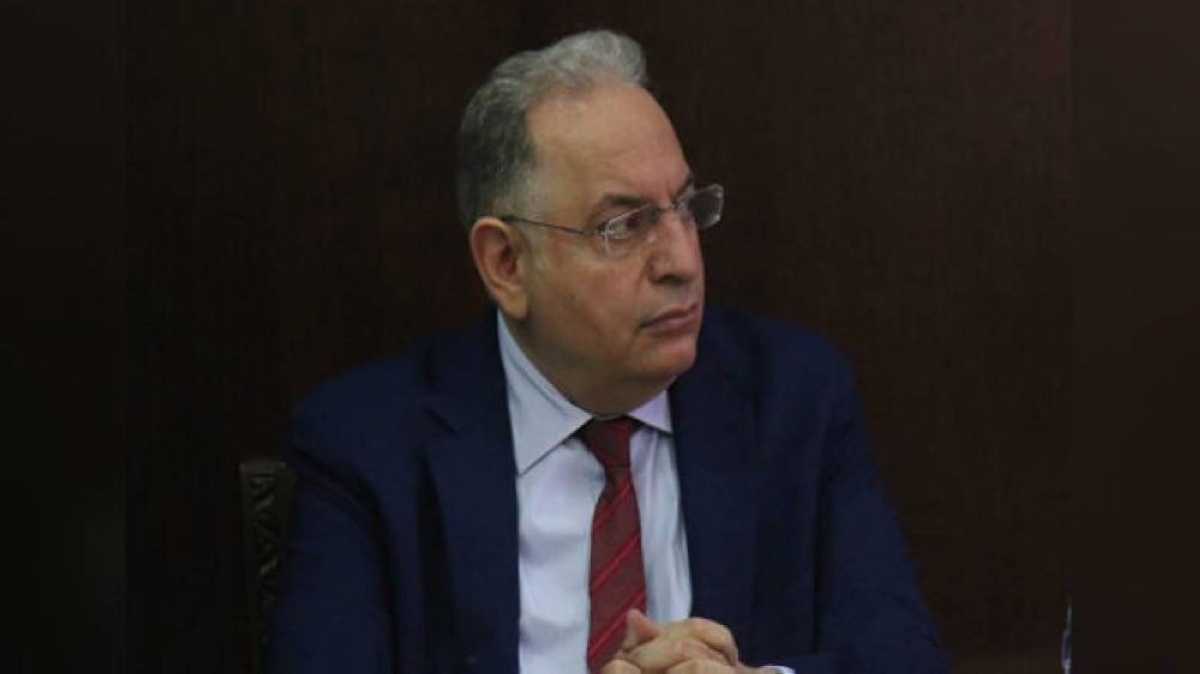
أعلن وزير المالية السوري محمد برنية، تشكيل لجنة استشارية متخصصة لدراسة واقع القروض المتعثرة لدى البنوك الحكومية السورية؛ بهدف اقتراح حلول قانونية وعملية تضمن استرداد المال العام وتخفيف الأعباء عن المقترضين، عبر برامج تحفيزية وإعفاءات تشجيعية.
وأوضح برنية، أن هذه الخطوة تأتي ضمن مساعي الدولة السورية لتنشيط الاقتصاد الوطني، مشيراً إلى أن اللجنة تضم قاضياً مختصاً، وخبراء مصرفيين، ورجال أعمال، وقانونيين، إضافة إلى ممثلين عن وزارة المالية، ومصرف سورية المركزي، والجهاز المركزي للرقابة المالية.
وستعمل اللجنة على تسوية مديونيات المتعثرين بشكل منصف، بما يتيح لهم معاودة نشاطهم الاقتصادي، ورفع الحجوزات عنهم وعن أسرهم، إلى جانب استرداد جزء كبير من موارد البنوك، وتحسين مؤشرات الملاءة والاستقرار المالي، والمساهمة في حل مشكلة السيولة، وتنظيف المحافظ التمويلية، والحد من مخاطر المديونيات المتعثرة.
وقال برنية: «إن هذه الخطوة تتكامل مع خطة إصلاح شاملة للقطاعين المالي والمصرفي، سبق أن أُعلنتْ في يونيو الماضي، وتشمل مراجعة أداء البنوك الحكومية وتحديث خدماتها، بالتعاون مع مصرف سورية المركزي والأجهزة الرقابية المختصة».
وتواجه البنوك الحكومية في سورية تحديات متراكمة؛ بسبب تفاقم القروض المتعثرة، ما ينعكس سلباً على الاستقرار المالي والسيولة.
برنيه: دراسة القروض المتعثرة لضمان استرداد المال العام السوري
3 سبتمبر 2025 - 16:46
|
آخر تحديث 3 سبتمبر 2025 - 16:46


تابع قناة عكاظ على الواتساب
«عكاظ» (دمشق)
Syrian Finance Minister Mohammad Barnia announced the formation of a specialized advisory committee to study the reality of non-performing loans at Syrian government banks, with the aim of proposing legal and practical solutions that ensure the recovery of public funds and alleviate the burdens on borrowers through incentive programs and encouraging exemptions.
Barnia explained that this step is part of the Syrian state's efforts to revitalize the national economy, noting that the committee includes a specialized judge, banking experts, businessmen, and legal professionals, in addition to representatives from the Ministry of Finance, the Central Bank of Syria, and the Central Financial Control Authority.
The committee will work to settle the debts of defaulters fairly, allowing them to resume their economic activities and lift the seizures on them and their families, alongside recovering a significant portion of the banks' resources, improving solvency and financial stability indicators, contributing to solving liquidity issues, cleaning up financial portfolios, and reducing the risks of non-performing debts.
Barnia stated: "This step complements a comprehensive reform plan for the financial and banking sectors, which was previously announced in June, and includes reviewing the performance of government banks and updating their services, in cooperation with the Central Bank of Syria and the relevant regulatory authorities."
Government banks in Syria face accumulated challenges due to the exacerbation of non-performing loans, which negatively impacts financial stability and liquidity.
Barnia explained that this step is part of the Syrian state's efforts to revitalize the national economy, noting that the committee includes a specialized judge, banking experts, businessmen, and legal professionals, in addition to representatives from the Ministry of Finance, the Central Bank of Syria, and the Central Financial Control Authority.
The committee will work to settle the debts of defaulters fairly, allowing them to resume their economic activities and lift the seizures on them and their families, alongside recovering a significant portion of the banks' resources, improving solvency and financial stability indicators, contributing to solving liquidity issues, cleaning up financial portfolios, and reducing the risks of non-performing debts.
Barnia stated: "This step complements a comprehensive reform plan for the financial and banking sectors, which was previously announced in June, and includes reviewing the performance of government banks and updating their services, in cooperation with the Central Bank of Syria and the relevant regulatory authorities."
Government banks in Syria face accumulated challenges due to the exacerbation of non-performing loans, which negatively impacts financial stability and liquidity.


