


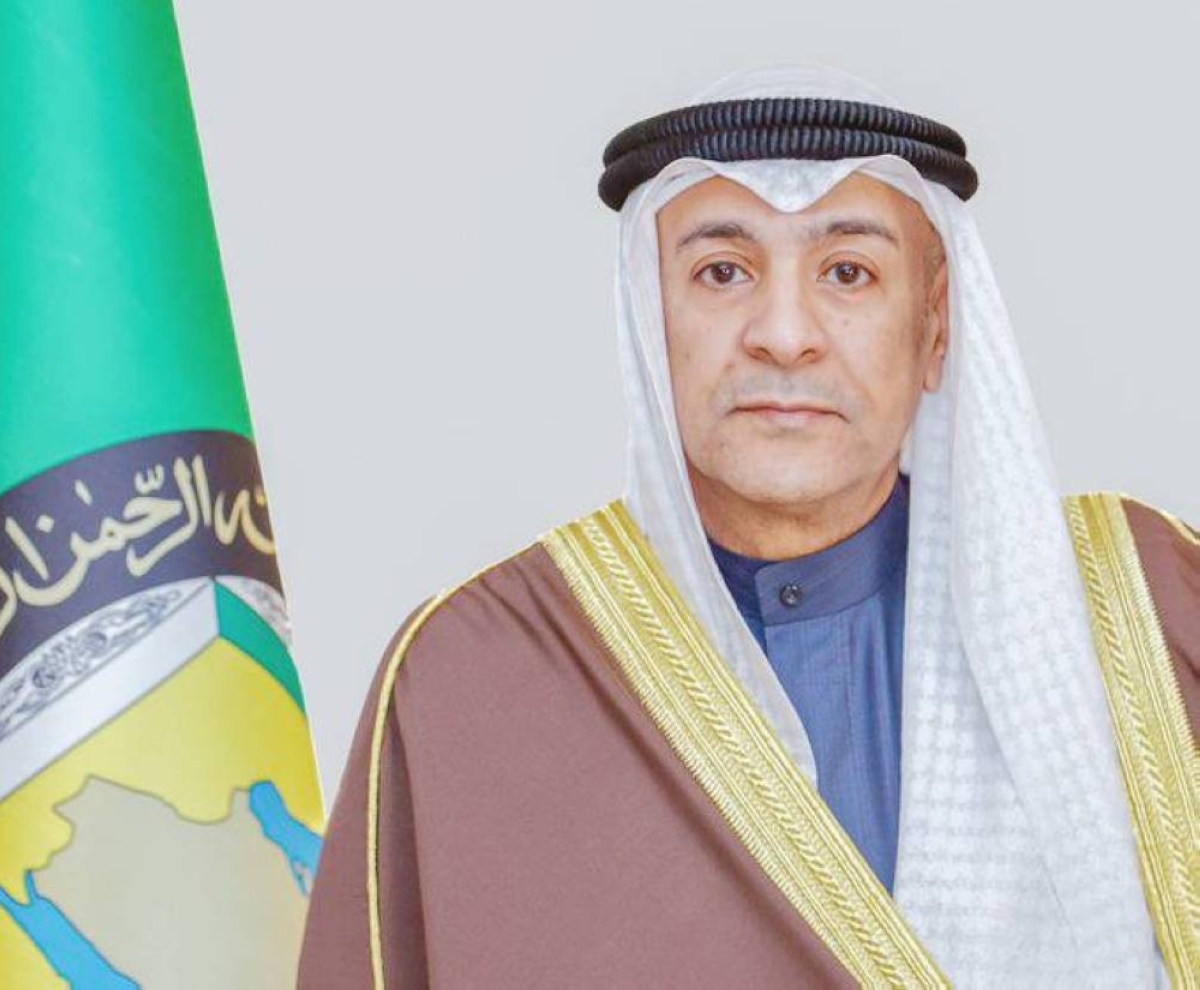
اجتمع الأمين العام لمجلس التعاون لدول الخليج العربية جاسم البديوي، مع الفريق التفاوضي لمجلس التعاون لاتفاقيات التجارة الحرة.
واستمع البديوي، خلال الاجتماع الذي عُقد -عن بعد- إلى شرح من أعضاء الفريق التفاوضي حول سير المفاوضات الجارية مع عددٍ من الدول، وما تم إحرازه من تقدم في هذا الشأن.
وحث الأمين العام، الفريق التفاوضي على بذل المزيد من الجهود المكثفة، بما يحقق المصالح المشتركة والفوائد المرجوة لشعوب دول المجلس، ويسهم في تعزيز مكانة مجلس التعاون شريكاً اقتصادياً فاعلاً على المستويين الإقليمي والدولي.
وجدد التأكيد على دعم الأمانة العامة لجهود الفريق التفاوضي، وعلى الأهمية البالغة لاتفاقيات التجارة الحرة في دفع مسيرة التكامل الاقتصادي بين دول المجلس، وتوسيع آفاق التعاون مع شركاء مجلس التعاون في مختلف المجالات.
وكانت اتفاقية التجارة الحرة قد وقعت بين دول مجلس التعاون الخليجي ودول رابطة التجارة الحرة «الإفتا» في مدينة هامر النرويجية يوم 22 يونيو 2009، وتتكون الاتفاقية من 93 مادة قانونية و16 ملحقاً، وتغطي نواحي متعددة مثل التجارة في السلع، الخدمات، المشتريات الحكومية، المنافسة، الملكية الفكرية والإدارة وحل المنازعات.
وتشرف اللجنة المشتركة لدول المجلس ودول «الإفتا» على تطبيق الاتفاقية، وتتضمن الاتفاقية آلية لحل النزاعات من خلال التحكيم. وتشكل الاتفاقيات الزراعية الثنائية الموقعة بين كل دولة من دول «الإفتا» ودول مجلس التعاون جزءاً أصيلاً من الاتفاقية.
أمين مجلس التعاون: اتفاقيات التجارة الحرة تدفع مسيرة التكامل الاقتصادي
31 أغسطس 2025 - 16:05
|
آخر تحديث 31 أغسطس 2025 - 16:05


تابع قناة عكاظ على الواتساب
«عكاظ» (الرياض)
The Secretary-General of the Gulf Cooperation Council, Jassim Al-Budaiwi, met with the negotiating team of the Council for free trade agreements.
During the meeting, which was held remotely, Al-Budaiwi listened to an explanation from the negotiating team members about the progress of ongoing negotiations with several countries and what has been achieved in this regard.
The Secretary-General urged the negotiating team to make more intensive efforts to achieve the common interests and desired benefits for the peoples of the Council's member states, and to contribute to enhancing the position of the Council as an effective economic partner at both regional and international levels.
He reiterated the support of the General Secretariat for the efforts of the negotiating team and emphasized the great importance of free trade agreements in advancing the economic integration process among the member states and expanding the horizons of cooperation with the Council's partners in various fields.
The free trade agreement was signed between the Gulf Cooperation Council countries and the members of the European Free Trade Association (EFTA) in the Norwegian city of Hammer on June 22, 2009. The agreement consists of 93 legal articles and 16 annexes, covering various aspects such as trade in goods, services, government procurement, competition, intellectual property, and management and dispute resolution.
The joint committee of the member states and EFTA oversees the implementation of the agreement, which includes a mechanism for dispute resolution through arbitration. The bilateral agricultural agreements signed between each EFTA member state and the Gulf Cooperation Council countries form an integral part of the agreement.
During the meeting, which was held remotely, Al-Budaiwi listened to an explanation from the negotiating team members about the progress of ongoing negotiations with several countries and what has been achieved in this regard.
The Secretary-General urged the negotiating team to make more intensive efforts to achieve the common interests and desired benefits for the peoples of the Council's member states, and to contribute to enhancing the position of the Council as an effective economic partner at both regional and international levels.
He reiterated the support of the General Secretariat for the efforts of the negotiating team and emphasized the great importance of free trade agreements in advancing the economic integration process among the member states and expanding the horizons of cooperation with the Council's partners in various fields.
The free trade agreement was signed between the Gulf Cooperation Council countries and the members of the European Free Trade Association (EFTA) in the Norwegian city of Hammer on June 22, 2009. The agreement consists of 93 legal articles and 16 annexes, covering various aspects such as trade in goods, services, government procurement, competition, intellectual property, and management and dispute resolution.
The joint committee of the member states and EFTA oversees the implementation of the agreement, which includes a mechanism for dispute resolution through arbitration. The bilateral agricultural agreements signed between each EFTA member state and the Gulf Cooperation Council countries form an integral part of the agreement.


