


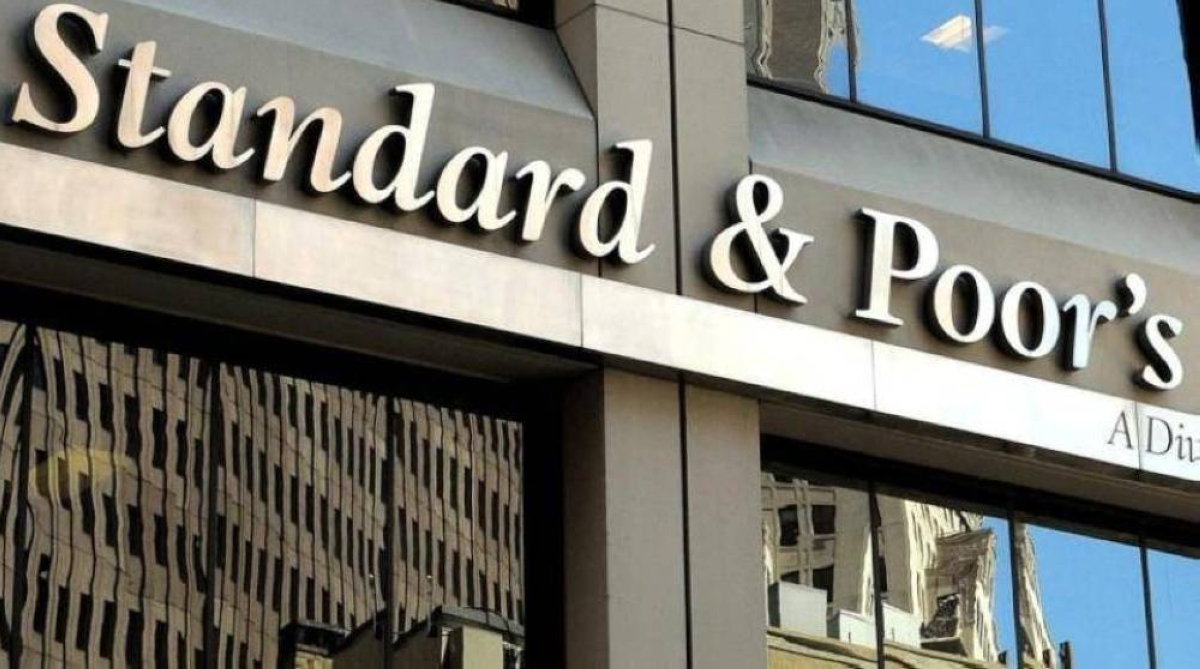
أعلنت وكالة ستاندرد أند بورز تثبيت التصنيف الائتماني السيادي للأردن طويل الأجل بالعملة المحلية والأجنبية عند BB- مع نظرة مستقبلية مستقرة.
وأشارت الوكالة في تقريرها إلى أن تثبيت التصنيف جاء نتيجة استقرار الاقتصاد الكلي والتقدم المحرز في الإصلاحات الاقتصادية والمالية والدعم الدولي القوي الذي يحظى به الأردن، إضافة إلى المرونة التي أظهرها الأردن في التعامل مع الاضطرابات الأمنية التي شهدتها المنطقة أخيراً.
وتوقعت الوكالة نمو الاقتصاد الأردني في عام 2025 بنسبة 2.6% في ظل المستجدات الإقليمية وانتعاش القطاع السياحي والارتفاع التدريجي لحجم التجارة مع سورية والعراق، على أن يصل إلى ما نسبته 3% و3.1% في الأعوام 2026 و2027 على التوالي.
وعلى صعيد مؤشرات المالية العامة، توقعت الوكالة انخفاض عجز الموازنة المجمع ليصل إلى ما نسبته 2.4% من الناتج المحلي الإجمالي في عام 2025 مقارنة مع 2.8% في عام 2024، كما توقعت الوكالة أن تنخفض نسبة الدين إلى الناتج المحلي الإجمالي تدريجياً خلال السنوات القادمة.
وعلى صعيد المؤشرات النقدية، أشارت الوكالة إلى أن ربط سعر صرف الدينار الأردني بالدولار الأمريكي ساهم في استقرار الأسعار واحتواء معدلات التضخم، حيث تتوقع الوكالة أن تبقى معدلات التضخم في عام 2025 عند مستويات مقبولة لتصل إلى 2.0%.
«ستاندرد آند بورز» تثبت تصنيف الأردن الائتماني عند «BB-»
30 أغسطس 2025 - 20:00
|
آخر تحديث 30 أغسطس 2025 - 20:00


تابع قناة عكاظ على الواتساب
«عكاظ» (عمان)
The Standard & Poor's agency announced the maintenance of Jordan's long-term sovereign credit rating in local and foreign currency at BB- with a stable outlook.
The agency indicated in its report that the maintenance of the rating was due to macroeconomic stability, progress made in economic and financial reforms, and the strong international support that Jordan enjoys, in addition to the resilience shown by Jordan in dealing with the security disturbances that the region has recently witnessed.
The agency expected the Jordanian economy to grow by 2.6% in 2025 in light of regional developments, the recovery of the tourism sector, and the gradual increase in trade volume with Syria and Iraq, reaching 3% and 3.1% in 2026 and 2027, respectively.
Regarding public finance indicators, the agency anticipated a decrease in the overall budget deficit to 2.4% of GDP in 2025 compared to 2.8% in 2024. The agency also expected the debt-to-GDP ratio to gradually decline over the coming years.
On the monetary indicators front, the agency noted that pegging the Jordanian dinar to the US dollar contributed to price stability and contained inflation rates, as the agency expects inflation rates in 2025 to remain at acceptable levels, reaching 2.0%.
The agency indicated in its report that the maintenance of the rating was due to macroeconomic stability, progress made in economic and financial reforms, and the strong international support that Jordan enjoys, in addition to the resilience shown by Jordan in dealing with the security disturbances that the region has recently witnessed.
The agency expected the Jordanian economy to grow by 2.6% in 2025 in light of regional developments, the recovery of the tourism sector, and the gradual increase in trade volume with Syria and Iraq, reaching 3% and 3.1% in 2026 and 2027, respectively.
Regarding public finance indicators, the agency anticipated a decrease in the overall budget deficit to 2.4% of GDP in 2025 compared to 2.8% in 2024. The agency also expected the debt-to-GDP ratio to gradually decline over the coming years.
On the monetary indicators front, the agency noted that pegging the Jordanian dinar to the US dollar contributed to price stability and contained inflation rates, as the agency expects inflation rates in 2025 to remain at acceptable levels, reaching 2.0%.


