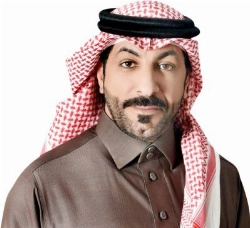
أكد حاكم المصرف المركزي في سورية عبدالقادر الحصرية، أن بلاده تعتزم استبدال الكتلة النقدية المتداولة بأخرى جديدة مع حذف صفرين منها، موضحا أنه سيُصار إلى طباعة ست فئات جديدة لدى مصادر متنوعة.
وقال الحصرية: «شكلنا لجنتين، إستراتيجية وتشغيلية لملف طباعة العملة»، موضحا أن «تغيير الصفرين أمر مهم جدا ومحسوم لسبب بسيط، وهو أنه لن يؤثر على قيمة العملة».
واعتبر أن «تغيير العملة الوطنية يمثل علامة التحرر المالي بعد التحرر السياسي وسقوط النظام البائد»، وفق ما نقله التلفزيون السوري الرسمي.
وردا على سؤال حول تداعيات استبدال العملة في السوق، قال الحصرية إن ذلك لن يؤدي إلى تضخم إضافي في البلاد التي تشهد معدلات تضخم مرتفعة بعد سنوات النزاع الطويلة. وأضاف: «قد ينشأ التضخم من عوامل نفسية ويكون الحل بالتوعية، وقد ينشأ من زيادة الكتلة النقدية». وأضاف: «نحن لن نزيد الكتلة النقدية، لكن سنستبدل الكتلة النقدية الموجودة».
ويُعد تحسين سعر صرف الليرة من أبرز التحديات المالية في سورية بعد إطاحة حكم الرئيس المخلوع بشار الأسد في الثامن من ديسمبر الماضي.
وقبل اندلاع النزاع في البلاد في 2011 كان الدولار يساوي حوالى 50 ليرة، قبل أن تتهاوى العملة المحلية بشكل تدريجي وتفقد أكثر من 90% من قيمتها. ويضطر السوريون لحمل كميات كبيرة من الأوراق النقدية في حقائبهم أو في أكياس بلاستيكية من أجل تلبية احتياجاتهم، وتعد فئة الخمسة آلاف الأعلى تداولا في السوق.
سورية: «المركزي» يخطط لطباعة 6 فئات من عملة جديدة
25 أغسطس 2025 - 22:00
|
آخر تحديث 25 أغسطس 2025 - 22:00


تابع قناة عكاظ على الواتساب
«عكاظ» (دمشق)
The governor of the Central Bank of Syria, Abdul Qader Al-Hosriya, confirmed that his country intends to replace the circulating cash with a new one by removing two zeros from it, explaining that six new denominations will be printed from various sources.
Al-Hosriya said: "We formed two committees, a strategic and an operational one for the currency printing file," clarifying that "changing the two zeros is very important and is a settled matter for a simple reason, which is that it will not affect the value of the currency."
He considered that "changing the national currency represents a sign of financial liberation after political liberation and the fall of the corrupt regime," according to what was reported by the official Syrian television.
In response to a question about the repercussions of replacing the currency in the market, Al-Hosriya said that this will not lead to additional inflation in a country that has been experiencing high inflation rates after years of prolonged conflict. He added: "Inflation may arise from psychological factors, and the solution lies in awareness, and it may arise from an increase in the money supply." He added: "We will not increase the money supply, but we will replace the existing money supply."
Improving the exchange rate of the lira is considered one of the most prominent financial challenges in Syria after the ousting of the regime of the ousted president Bashar al-Assad on December 8 of last year.
Before the outbreak of the conflict in the country in 2011, the dollar was worth about 50 lira, before the local currency gradually collapsed and lost more than 90% of its value. Syrians are forced to carry large amounts of cash in their bags or in plastic bags to meet their needs, with the five-thousand lira note being the most widely circulated in the market.
Al-Hosriya said: "We formed two committees, a strategic and an operational one for the currency printing file," clarifying that "changing the two zeros is very important and is a settled matter for a simple reason, which is that it will not affect the value of the currency."
He considered that "changing the national currency represents a sign of financial liberation after political liberation and the fall of the corrupt regime," according to what was reported by the official Syrian television.
In response to a question about the repercussions of replacing the currency in the market, Al-Hosriya said that this will not lead to additional inflation in a country that has been experiencing high inflation rates after years of prolonged conflict. He added: "Inflation may arise from psychological factors, and the solution lies in awareness, and it may arise from an increase in the money supply." He added: "We will not increase the money supply, but we will replace the existing money supply."
Improving the exchange rate of the lira is considered one of the most prominent financial challenges in Syria after the ousting of the regime of the ousted president Bashar al-Assad on December 8 of last year.
Before the outbreak of the conflict in the country in 2011, the dollar was worth about 50 lira, before the local currency gradually collapsed and lost more than 90% of its value. Syrians are forced to carry large amounts of cash in their bags or in plastic bags to meet their needs, with the five-thousand lira note being the most widely circulated in the market.