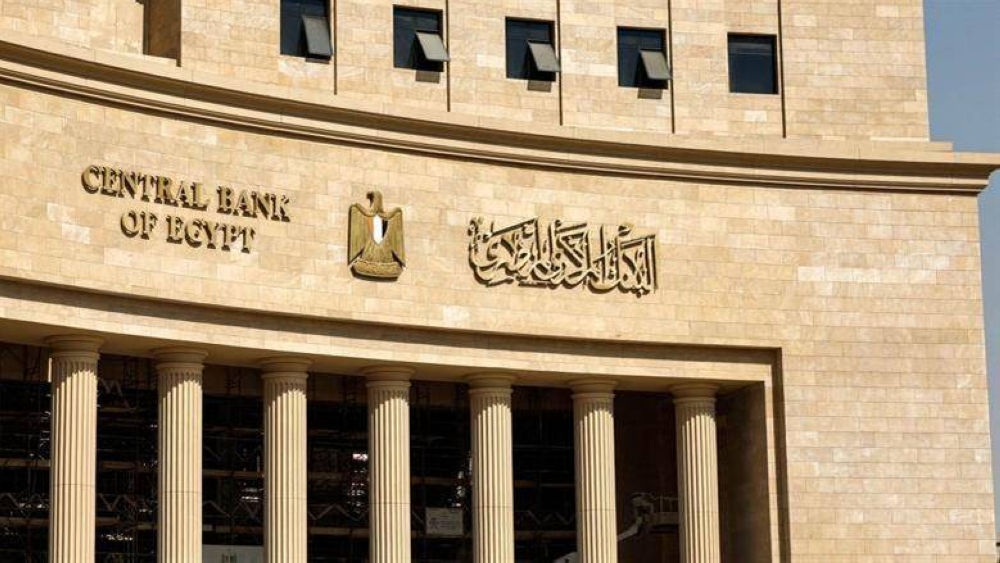
أعلن البنك المركزي المصري في بيان صادر عن لجنة السياسة النقدية، اليوم (الخميس)، قرارها بالإبقاء على أسعار العائد الأساسية دون تغيير. ويشمل ذلك سعري عائد الإيداع والإقراض لليلة واحدة وسعر العملية الرئيسية للبنك المركزي عند 24.00% و25.00% و24.50% على الترتيب، مع الإبقاء على سعر الائتمان والخصم عند 24.50%.
ويعكس هذا القرار آخر التطورات والتوقعات الاقتصادية منذ الاجتماع السابق للجنة.
وعلى الصعيد العالمي، أشار البيان إلى تراجع توقعات النمو الاقتصادي منذ بداية العام، وهو ما يُعزى بالأساس إلى استمرار حالة عدم اليقين في سياسات التجارة العالمية واحتمالية تجدد التوترات الجيوسياسية.
ونتيجة لذلك، اعتمدت البنوك المركزية في الاقتصادات المتقدمة والناشئة على حد سواء نهجًا حذرًا بشأن السياسة النقدية في ظل حالة عدم اليقين المحيطة بالتضخم والنمو الاقتصادي.
وفيما يتعلق بالأسعار العالمية للسلع الأساسية، شهدت أسعار النفط تقلبات حادة في الآونة الأخيرة، متأثرة إلى حد كبير بعوامل العرض وتوقعات بانخفاض الطلب العالمي.
بينما سجلت أسعار السلع الزراعية الأساسية تراجعًا طفيفًا مدعومًا باتجاهات موسمية مواتية. ومع ذلك، لا تزال المخاطر تحيط بمسار التضخم، بما في ذلك التوترات الجيوسياسية واحتمالية استمرار الاضطرابات في سياسات التجارة العالمية والصدمات الناجمة عن تغير المناخ.
على الجانب المحلي، أظهرت المؤشرات الأولية للبنك المركزي المصري للربع الثاني من عام 2025 استدامة التعافي في النشاط الاقتصادي، مع توقعات بنمو الناتج المحلي الإجمالي الحقيقي على نحو مقارب للنسبة السنوية المسجلة في الربع الأول من عام 2025 والبالغة 4.8%، مقارنة بـ2.4% في الربع الثاني من عام 2024.
وتشير التقديرات إلى أن فجوة الناتج تتقلص تدريجيًا، وإن كانت لا تزال سالبة بقدر طفيف، مع توقعات بوصول النشاط الاقتصادي إلى طاقته الإنتاجية القصوى بنهاية السنة المالية 2026/2025.
ومن المنتظر أن تظل الضغوط التضخمية من جانب الطلب محدودة، مدعومة بالسياسة النقدية الحالية.
وفيما يتعلق بالتضخم، شهد المعدل السنوي للتضخم العام تراجعًا خلال الربع الثاني من عام 2025 إلى 15.3%، مقارنة بـ16.5% في الربع الأول من عام 2025، مواصلًا بذلك مساره النزولي.
ويُعزى ذلك إلى استقرار التطورات الشهرية للتضخم إلى حد كبير، والمستوى المناسب من التشديد النقدي، فضلاً عن انحسار الصدمات السابقة.
وانخفض كل من المعدل السنوي للتضخم العام والأساسي في يونيو 2025 إلى 14.9% و11.4% على التوالي، وهو ما يرجع بشكل رئيسي إلى التطورات الشهرية في التضخم، حيث سجل التضخم العام والأساسي سالب 0.1% وسالب 0.2% على التوالي، الأمر الذي يمكن تفسيره إلى حد كبير بانخفاض أسعار المواد الغذائية واستقرار تضخم السلع غير الغذائية.
وقد أسهمت هذه التطورات المواتية في التضخم العام والأساسي في تحسن توقعات التضخم، وعليه، من المتوقع أن يستقر المعدل السنوي للتضخم العام عند معدلاته الحالية خلال الفترة المتبقية من عام 2025، قبل أن يعاود تراجعه تدريجيًا خلال 2026.
ويتوقف ذلك على مقدار التغير في أسعار السلع غير الغذائية وعلى إجراءات ضبط أوضاع المالية العامة (كالتغير في الأسعار المحددة إداريًا) وتأثيرها على الأسعار المحلية.
وترى لجنة السياسة النقدية أن الإبقاء على أسعار العائد الأساسية للبنك المركزي دون تغيير يُعد ملائمًا لاستدامة المسار النزولي للتضخم.
وسوف تواصل اللجنة تقييم قراراتها على أساس كل اجتماع على حدة، مع التأكيد على أن هذه القرارات تعتمد على التوقعات والمخاطر المحيطة بها وما يستجد من بيانات.
The Central Bank of Egypt announced in a statement issued by the Monetary Policy Committee today (Thursday) its decision to keep the key interest rates unchanged. This includes the overnight deposit and lending rates at 24.00%, 25.00%, and the central bank's main operation rate at 24.50%, respectively, while maintaining the credit and discount rate at 24.50%.
This decision reflects the latest developments and economic expectations since the previous committee meeting.
Globally, the statement pointed to a decline in economic growth forecasts since the beginning of the year, primarily attributed to the ongoing uncertainty in global trade policies and the possibility of renewed geopolitical tensions.
As a result, central banks in both advanced and emerging economies have adopted a cautious approach to monetary policy amid the uncertainty surrounding inflation and economic growth.
Regarding global commodity prices, oil prices have experienced sharp fluctuations recently, largely influenced by supply factors and expectations of declining global demand.
Meanwhile, prices of key agricultural commodities recorded a slight decline supported by favorable seasonal trends. However, risks surrounding the inflation trajectory remain, including geopolitical tensions and the potential for continued disruptions in global trade policies and shocks from climate change.
On the local front, preliminary indicators from the Central Bank of Egypt for the second quarter of 2025 showed the sustainability of the recovery in economic activity, with expectations of real GDP growth close to the annual rate recorded in the first quarter of 2025, which was 4.8%, compared to 2.4% in the second quarter of 2024.
Estimates indicate that the output gap is gradually narrowing, although it remains slightly negative, with expectations for economic activity to reach its maximum productive capacity by the end of the fiscal year 2026/2025.
Inflationary pressures from the demand side are expected to remain limited, supported by the current monetary policy.
Regarding inflation, the annual rate of overall inflation declined during the second quarter of 2025 to 15.3%, compared to 16.5% in the first quarter of 2025, continuing its downward trend.
This is attributed to the stability of monthly inflation developments to a large extent, the appropriate level of monetary tightening, as well as the subsiding of previous shocks.
Both the annual rates of overall and core inflation fell in June 2025 to 14.9% and 11.4%, respectively, primarily due to monthly developments in inflation, where overall and core inflation recorded -0.1% and -0.2%, respectively, which can largely be explained by the decrease in food prices and the stability of non-food inflation.
These favorable developments in overall and core inflation have contributed to an improvement in inflation expectations; therefore, the annual rate of overall inflation is expected to stabilize at its current levels during the remaining period of 2025, before gradually declining again in 2026.
This depends on the extent of changes in non-food prices and on measures to adjust public finances (such as changes in administratively set prices) and their impact on local prices.
The Monetary Policy Committee believes that keeping the central bank's key interest rates unchanged is appropriate for sustaining the downward trajectory of inflation.
The committee will continue to evaluate its decisions on a meeting-by-meeting basis, emphasizing that these decisions depend on forecasts, surrounding risks, and any new data that emerges.