تنمو الحضارات بما تنتجه من معرفة، وتتقدم الأمم بما تتيحه للعقل من بحث وتجريب. وفي تاريخ الإنسان حضرت الموسيقى في الفلسفة والفنون، وأسهمت في تشكيل وجدانه وذاكرته، وامتدت دراساتها إلى الإدراك السمعي وتأثير الصوت في الإنسان وتطبيقاته في الصحة والتأهيل.
ومنذ تأملات فيثاغورس في العلاقات العددية بين النغمات، ودراسات الكندي والفارابي، اتسعت آفاق الموسيقى بين الرياضيات والفيزياء والفن. فخلف الألحان قوانين تحكم الترددات والفواصل الصوتية، وبين ما تدركه الأذن من جمال وما تكشفه المعادلات من خصائص، تتجدد أسئلة العلم حول أسرار النغم.
من التعليم إلى البحث العلمي
وفي هذا السياق يحضر منجز سعودي للدكتور المهندس محمد بن صالح الدربي، الذي أمضى أكثر من ربع قرن في دراسة المقامات العربية والسعودية من منظور رياضي فيزيائي، وقدم مؤلفات وأبحاثًا أسهمت في توثيق جانب من تراث المملكة الموسيقي بالقياس والتحليل.
غازي علي .. من تأسيس المعهد إلى إيقاد شعلة البحث
وللتجربة جذور تعود إلى الموسيقار الراحل غازي علي، الذي عاد من القاهرة بعد دراسته الأكاديمية للموسيقى، وأسّس معهدها في جمعية الثقافة والفنون بجدة، قبل أن يحوّل منزله إلى معهد احتضن أجيالًا من المواهب، وتتلمذ على يديه فنانون أصبحوا من أبرز نجوم الأغنية السعودية.
وكان غازي علي من أوقد شعلة البحث العلمي في نفس تلميذه الدربي منذ عام 1982، عندما أدرك ما يمكن أن تضيفه معارفه الهندسية إلى دراسة الموسيقى، فوجّهه نحو قوانين الصوت وعلاقاته الرياضية. وفي هذه البصيرة تتجلى قيمة المعلم الذي يكتشف في قدرات تلاميذه آفاقًا تتجاوز حدود ما تعلموه على يديه.
عكاظ .. منبر المعرفة الموسيقية
ومضى الدربي في دراسة السلالم الموسيقية وأنظمة الضبط والفواصل النغمية، ونشرت صحيفة عكاظ خلال عامي 2007 و2008 مقالاته العلمية عن الموسيقى ونظريات الكندي والفارابي، مانحة البحث المتخصص مساحة في الصحافة الثقافية.
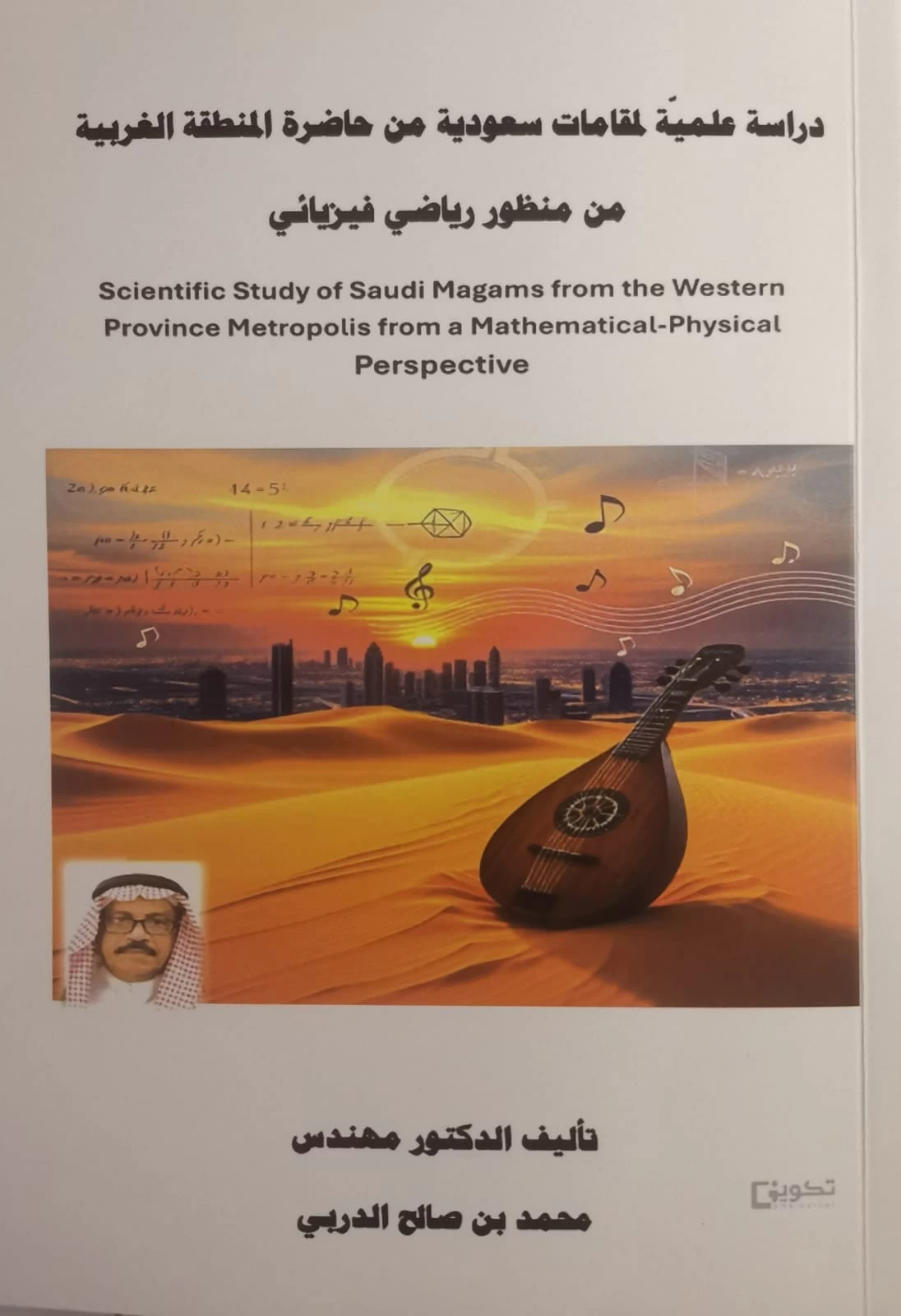
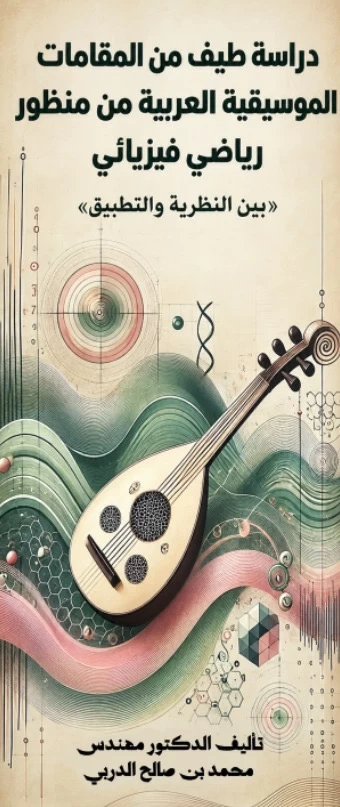
وأثمرت رحلته كتاب "دراسة طيف من المقامات العربية من منظور رياضي فيزيائي – بين النظرية والتطبيق"، ثم كتاب "دراسة علمية لمقامات سعودية من حاضرة المنطقة الغربية – من منظور رياضي فيزيائي"، الذي تناول أربعة عشر مقامًا متوارثًا في مكة المكرمة والمدينة المنورة وجدة والطائف، بالتسجيل والقياس والتحليل الصوتي.
وتتجاوز أهمية هذه الدراسات حدود التوثيق إلى قراءة العلاقة بين الموروث السمعي والمعرفة التجريبية. فالمقامات التي حفظتها الأجيال بالممارسة تحمل تاريخًا من الذائقة الإنسانية، ويتيح تحليلها فهم خصائصها ومقارنتها بأنظمة الضبط الموسيقي. وتبقى العلاقة بين دقة المعادلة وحساسية الأذن سؤالًا فلسفيًا وعلميًا، فالتجربة الجمالية أوسع من أرقام الترددات والفواصل.
وامتدت أبحاث الدربي إلى أنظمة الضبط التاريخية والسلم الأوروبي المعدل والإدراك السمعي، وحظيت باهتمام المجمع العربي للموسيقى التابع لجامعة الدول العربية، وإشادات من البروفيسور محمود قطاط والبروفيسور محمد الأسعد قريعة، كما تلقى دعوة من البروفيسورة شيرين عبد اللطيف، عميدة كلية الموسيقى بجامعة حلوان، لتقديم محاضرة عن تجربته العلمية.
النغم حين يحاور المعادلة
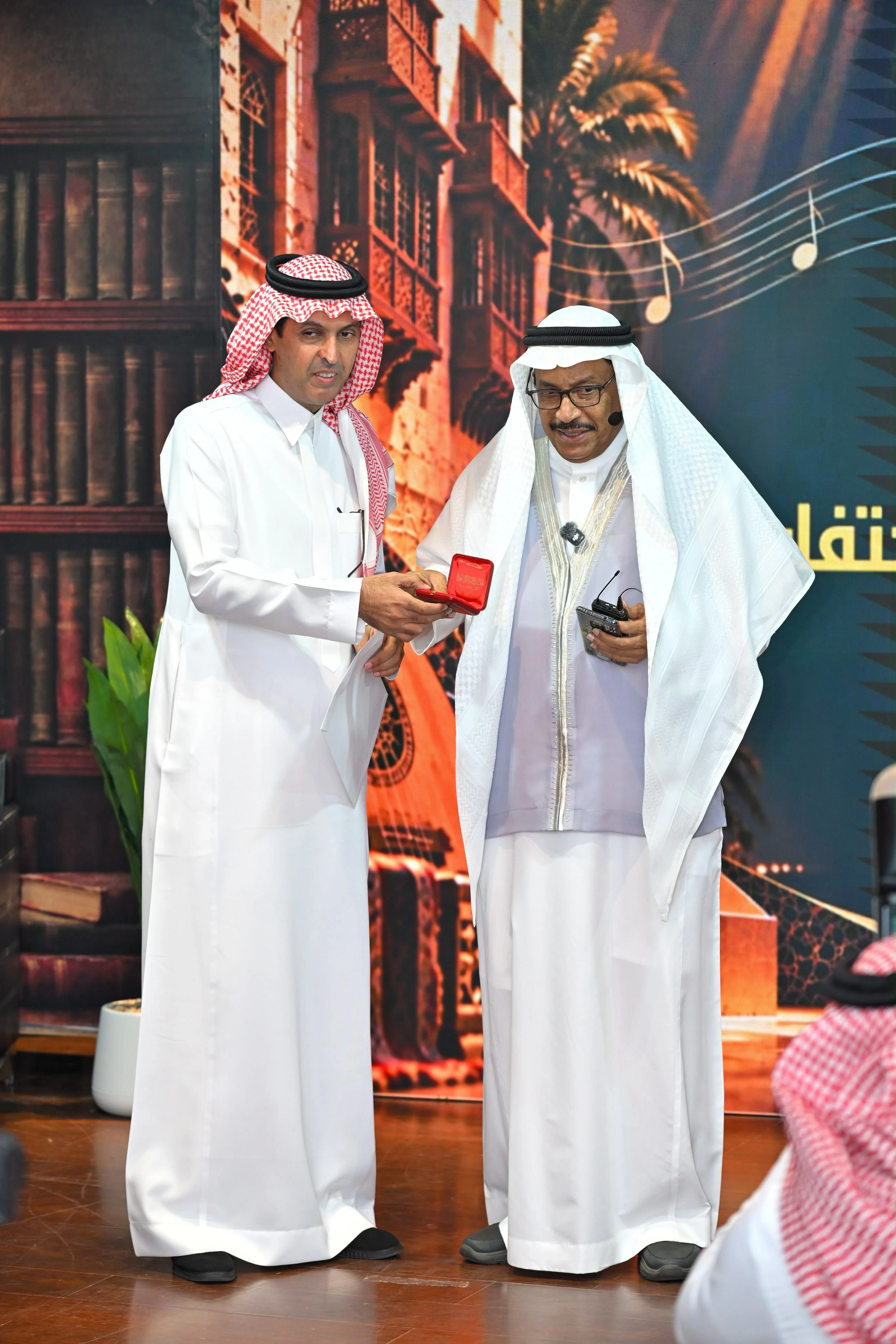
ولأن جمعية الثقافة والفنون بجدة تؤمن بتكامل المعرفة والممارسة الفنية، استضفنا الدكتور محمد الدربي في ورشة علمية جمعت بين النظرية والتطبيق، صاحبه فيها الموسيقار مدني عبادي على آلة القانون. استمعنا إلى الدربي وهو يستعرض أبحاثه، وأنصتنا إلى النغم وهو يجسد تطبيقاتها الصوتية، في تجربة التقت فيها دقة المعادلة الرياضية بحساسية الأذن وجمال الأداء.
نحو مدرسة علمية سعودية
ومع رؤية 2030، وإيمان سمو ولي العهد الأمير محمد بن سلمان بقدرات الإنسان السعودي، وما أرسته وزارة الثقافة بقيادة صاحب السمو الأمير بدر بن عبدالله بن فرحان آل سعود، وزير الثقافة، من استراتيجية لتطوير الفنون، تتسع فرص المملكة للريادة في هذا المجال. فتأسيس هيئة الموسيقى والترخيص للمعاهد المتخصصة ومشروع جامعة الرياض للفنون، خطوات تتيح بناء منظومة تجمع التعليم والممارسة والبحث.
وفي تنوع موروثنا الموسيقي حقول تستحق الدراسة، من المقامات والإيقاعات إلى الخصائص الصوتية وصناعة الآلات والتطبيقات العلاجية. وأتطلع إلى تكامل جهود هيئة الموسيقى وجامعة الرياض للفنون والجامعات ومراكز الأبحاث لتأسيس مختبرات وبرامج أكاديمية تستقطب الكفاءات السعودية، وتمنح تجاربها حضورًا مؤثرًا في المشهد العلمي.
اقتصاد الإبداع | الاستثمار في الأفكار
ومن غازي علي الذي أوقد شعلة البحث في عقل تلميذه، إلى الدربي الذي حملها إلى مختبرات العلم، تتجلى قيمة الاستثمار في الإنسان والأفكار. ففي اقتصاد الإبداع ثروات تصنعها العقول، ومنجزات تتعاظم قيمتها بما تفتحه من آفاق علمية وثقافية واقتصادية. وأتطلع إلى أن تحمل مؤسساتنا الأكاديمية والثقافية وقاعاتها ومختبراتها أسماء علمائنا ومبدعينا، وأن يتحول إرثهم إلى مشاريع معرفية تستثمر ما أنجزوه وتمنح الأجيال فرصة الإضافة إليه.
Civilizations grow through the knowledge they produce, and nations advance by what they allow the mind to explore and experiment. Throughout human history, music has played a role in philosophy and the arts, contributing to the formation of human emotions and memory. Its studies have extended to auditory perception, the impact of sound on humans, and its applications in health and rehabilitation.
Since Pythagoras's reflections on the numerical relationships between tones, and the studies of Al-Kindi and Al-Farabi, the horizons of music have expanded between mathematics, physics, and art. Behind melodies lie laws governing frequencies and intervals, and between what the ear perceives as beauty and what equations reveal as properties, scientific questions about the mysteries of melody continue to arise.
From Education to Scientific Research
In this context, a significant achievement by Dr. Engineer Mohammed bin Saleh Al-Darbi comes to mind, who has spent more than a quarter of a century studying Arabic and Saudi maqamat from a mathematical-physical perspective, presenting works and research that have contributed to documenting a part of the Kingdom's musical heritage through measurement and analysis.
Ghazi Ali .. From Establishing the Institute to Igniting the Flame of Research
The experience has roots that trace back to the late musician Ghazi Ali, who returned from Cairo after his academic studies in music and established its institute at the Cultural and Arts Association in Jeddah, before turning his home into an institute that nurtured generations of talents, mentoring artists who became some of the most prominent stars of Saudi music.
Ghazi Ali was the one who ignited the flame of scientific research in his student Al-Darbi's heart since 1982, when he realized what his engineering knowledge could add to the study of music, guiding him towards the laws of sound and their mathematical relationships. In this insight, the value of a teacher is manifested, discovering in the capabilities of his students horizons that exceed the limits of what they have learned from him.
Okaz .. A Platform for Musical Knowledge
Al-Darbi continued his studies of musical scales, tuning systems, and melodic intervals, and the Okaz newspaper published his scientific articles on music and the theories of Al-Kindi and Al-Farabi during 2007 and 2008, granting specialized research a space in cultural journalism.
His journey bore fruit in the book "A Study of a Spectrum of Arabic Maqamat from a Mathematical-Physical Perspective – Between Theory and Application," followed by the book "A Scientific Study of Saudi Maqamat from the Western Region – From a Mathematical-Physical Perspective," which addressed fourteen inherited maqamat in Mecca, Medina, Jeddah, and Taif, through recording, measurement, and acoustic analysis.
The importance of these studies transcends documentation to read the relationship between auditory heritage and experimental knowledge. The maqamat that generations have preserved through practice carry a history of human taste, and analyzing them allows for an understanding of their characteristics and a comparison with musical tuning systems. The relationship between the precision of the equation and the sensitivity of the ear remains a philosophical and scientific question, as the aesthetic experience is broader than the numbers of frequencies and intervals.
Al-Darbi's research extended to historical tuning systems, the equal temperament scale, and auditory perception, attracting the interest of the Arab Music Academy affiliated with the Arab League, and receiving commendations from Professor Mahmoud Qattat and Professor Mohammed Al-As'ad Qari'a. He also received an invitation from Professor Sherin Abdel-Latif, Dean of the Faculty of Music at Helwan University, to give a lecture on his scientific experience.
When Melody Dialogues with the Equation
Since the Cultural and Arts Association in Jeddah believes in the integration of knowledge and artistic practice, we hosted Dr. Mohammed Al-Darbi in a scientific workshop that combined theory and application, accompanied by musician Madani Abadi on the qanun. We listened to Al-Darbi as he presented his research, and we tuned into the melody as it embodied its acoustic applications, in an experience where the precision of the mathematical equation met the sensitivity of the ear and the beauty of performance.
Towards a Saudi Scientific School
With Vision 2030, and the belief of His Royal Highness Crown Prince Mohammed bin Salman in the capabilities of the Saudi individual, along with the strategy established by the Ministry of Culture, led by His Highness Prince Badr bin Abdullah bin Farhan Al Saud, Minister of Culture, to develop the arts, the Kingdom's opportunities for leadership in this field are expanding. The establishment of the Music Authority, licensing specialized institutes, and the Riyadh University for Arts project are steps that allow for building a system that integrates education, practice, and research.
In the diversity of our musical heritage, there are fields that deserve study, from maqamat and rhythms to sound characteristics, instrument making, and therapeutic applications. I look forward to the integration of efforts between the Music Authority, Riyadh University for Arts, universities, and research centers to establish laboratories and academic programs that attract Saudi talents, granting their experiences a significant presence in the scientific landscape.
The Economy of Creativity | Investing in Ideas
From Ghazi Ali, who ignited the flame of research in his student's mind, to Al-Darbi, who carried it to the laboratories of science, the value of investing in people and ideas is evident. In the economy of creativity, there are riches created by minds, and achievements whose value grows with the scientific, cultural, and economic horizons they open. I hope that our academic and cultural institutions, along with their halls and laboratories, will bear the names of our scholars and creators, and that their legacy will transform into knowledge projects that invest in what they have accomplished and provide future generations the opportunity to add to it.