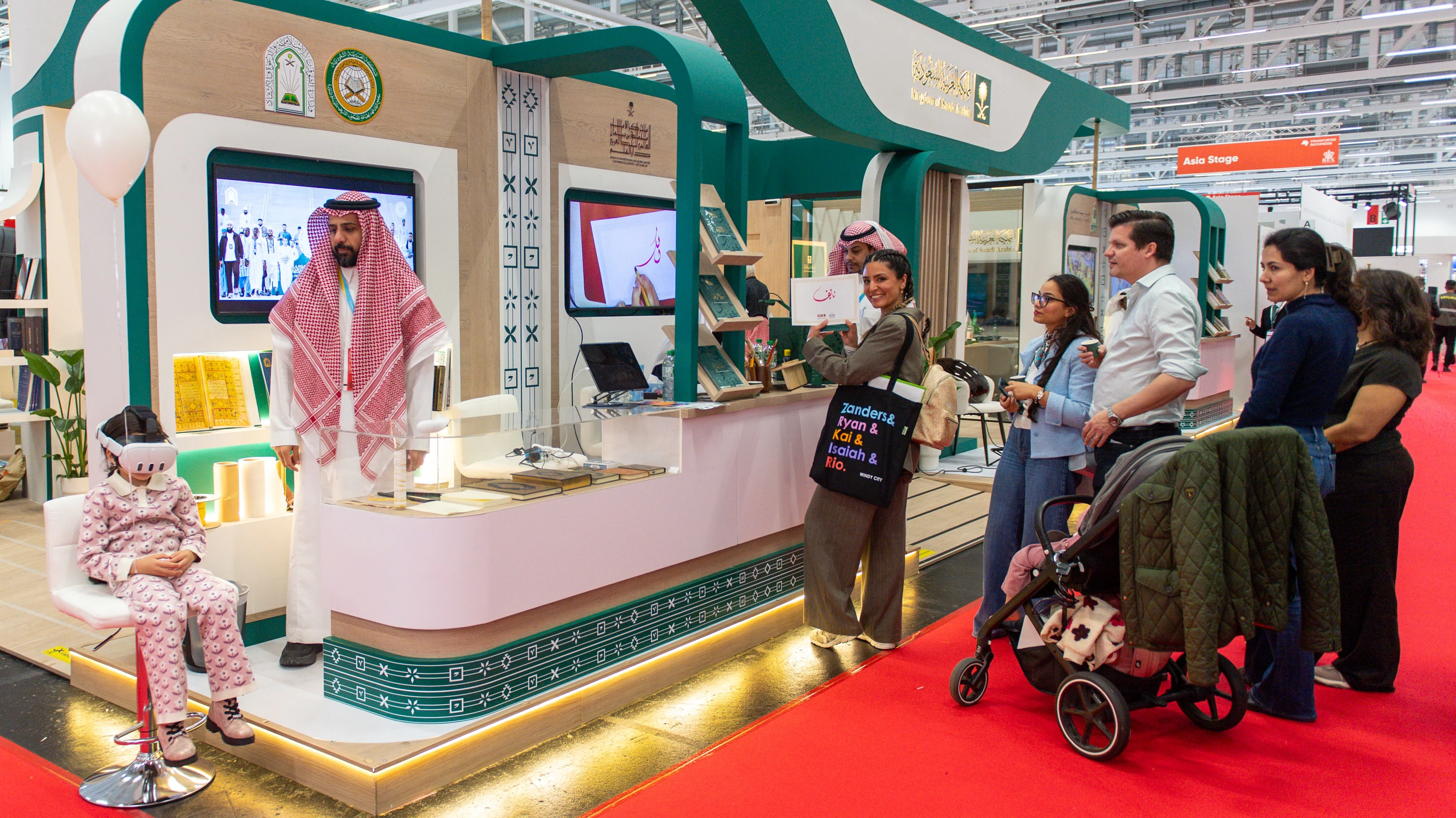
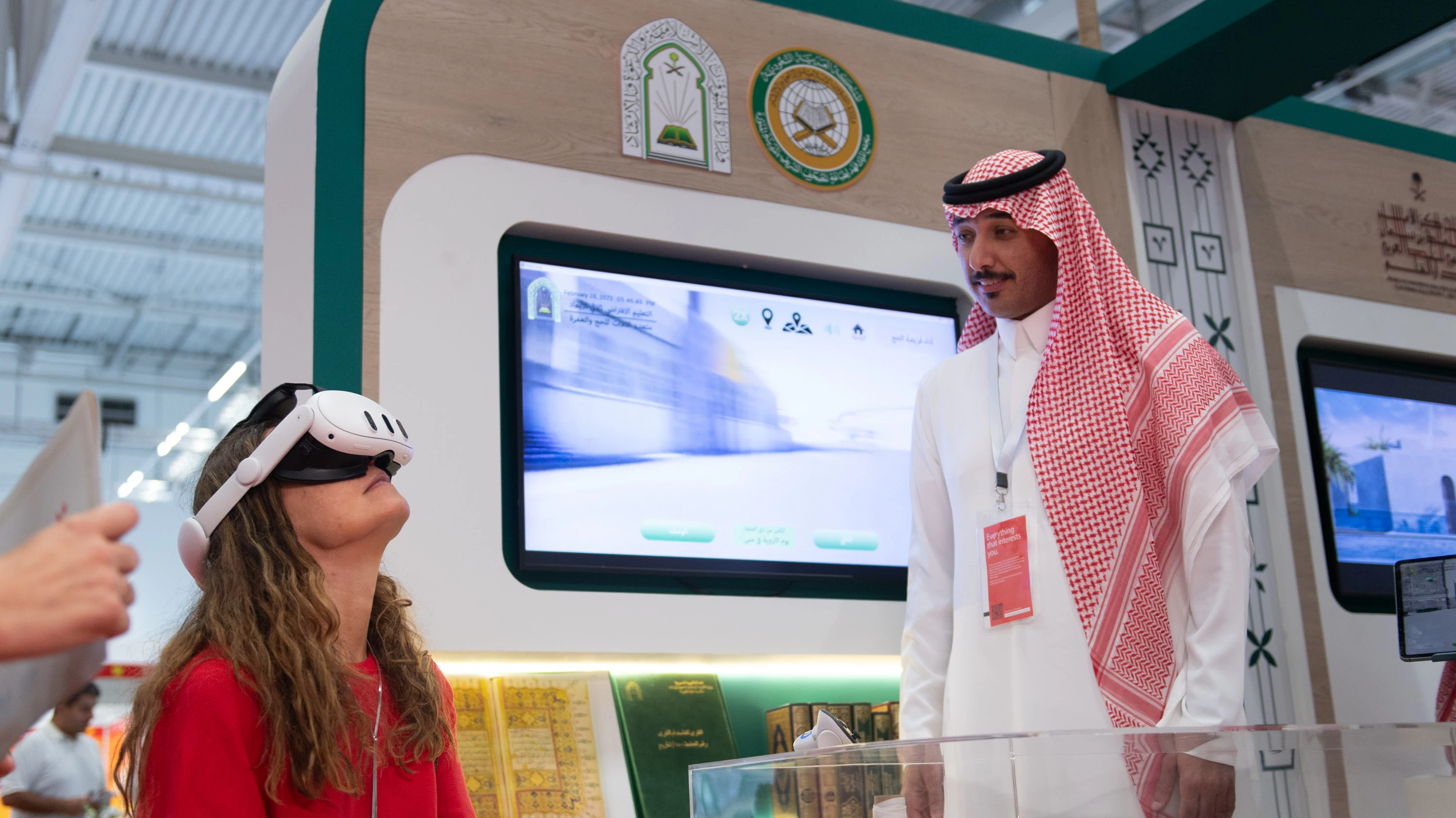
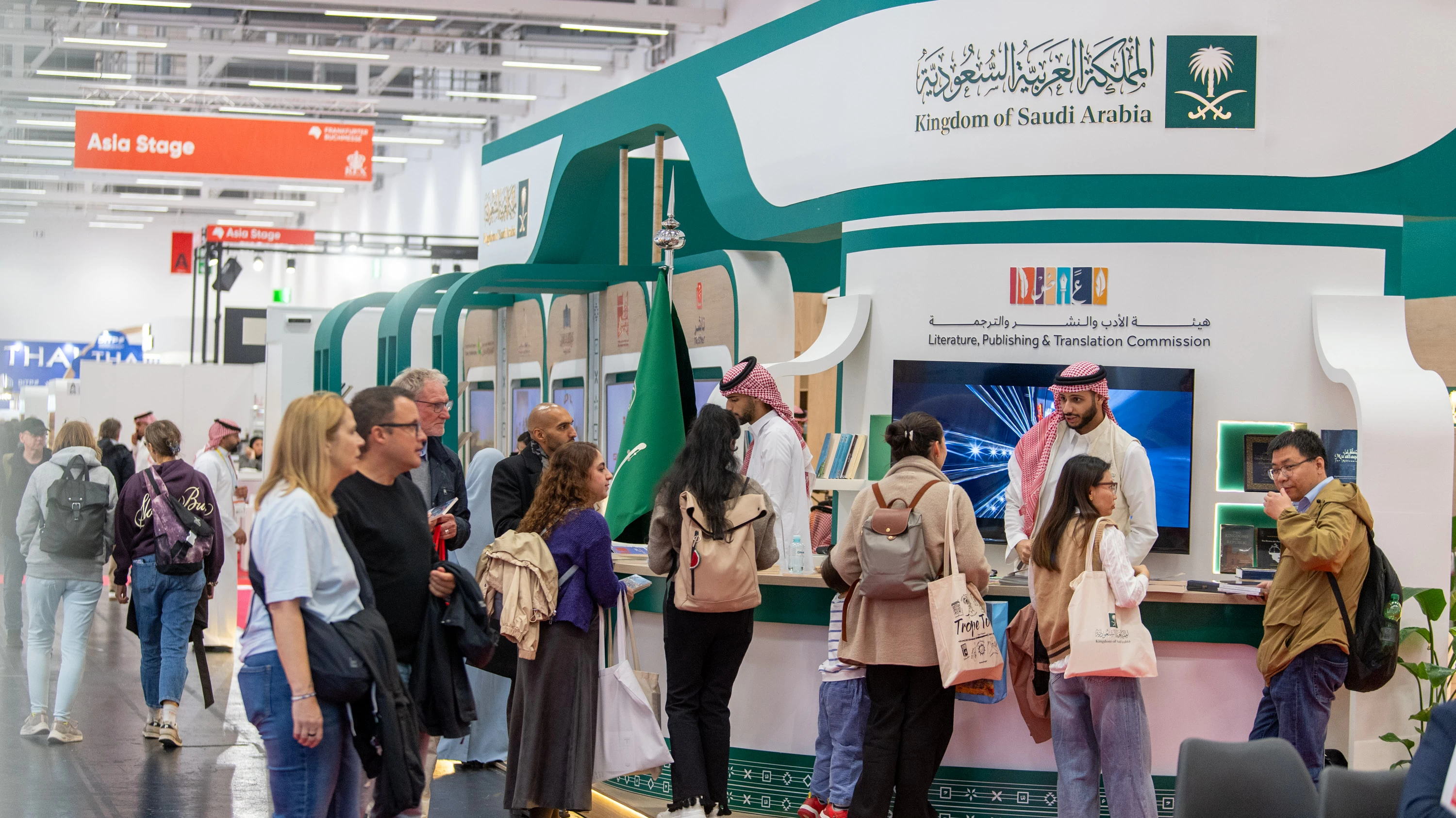
اختتمت هيئة الأدب والنشر والترجمة مشاركة المملكة العربية السعودية في معرض فرانكفورت الدولي للكتاب 2026، الذي أُقيم خلال الفترة من 7 إلى 11 أكتوبر الجاري في مدينة فرانكفورت الألمانية، بعد مشاركة ثقافية عكست ملامح التحول الذي تشهده المملكة في صناعة الأدب والنشر والترجمة، وفتحت نوافذ جديدة للتواصل مع الثقافات العالمية، مؤكدةً أن الكتاب السعودي بات أكثر حضورًا في فضاءات المعرفة الدولية.
ولم تكن المشاركة السعودية مجرد حضور في أحد أكبر المحافل العالمية لصناعة الكتاب، بل جاءت امتدادًا لمشروع ثقافي يتسع أثره عامًا بعد آخر، ويمنح الإبداع السعودي مساحة أرحب للحوار والتفاعل، في مشهد تتجاوز فيه الكلمة حدود الجغرافيا، وتصبح الترجمة جسرًا للتواصل بين الشعوب، فيما يقدم الأدب السعودي تجاربه ورؤاه بوصفه صوتًا أصيلًا في المشهد الثقافي العالمي.
وأكد الرئيس التنفيذي لهيئة الأدب والنشر والترجمة، الدكتور عبداللطيف بن عبدالعزيز الواصل، أن مشاركة المملكة في المعرض تأتي ضمن جهود الهيئة للتعريف بالإنتاج الأدبي والمعرفي السعودي، وإبراز التطورات المتسارعة التي يشهدها قطاع الأدب والنشر والترجمة في ظل رؤية السعودية 2030. وأشار إلى أن الجناح السعودي قدّم صورة متكاملة عن الحراك الثقافي الذي تعيشه المملكة، وما يحمله من تنوع إبداعي وثراء معرفي.
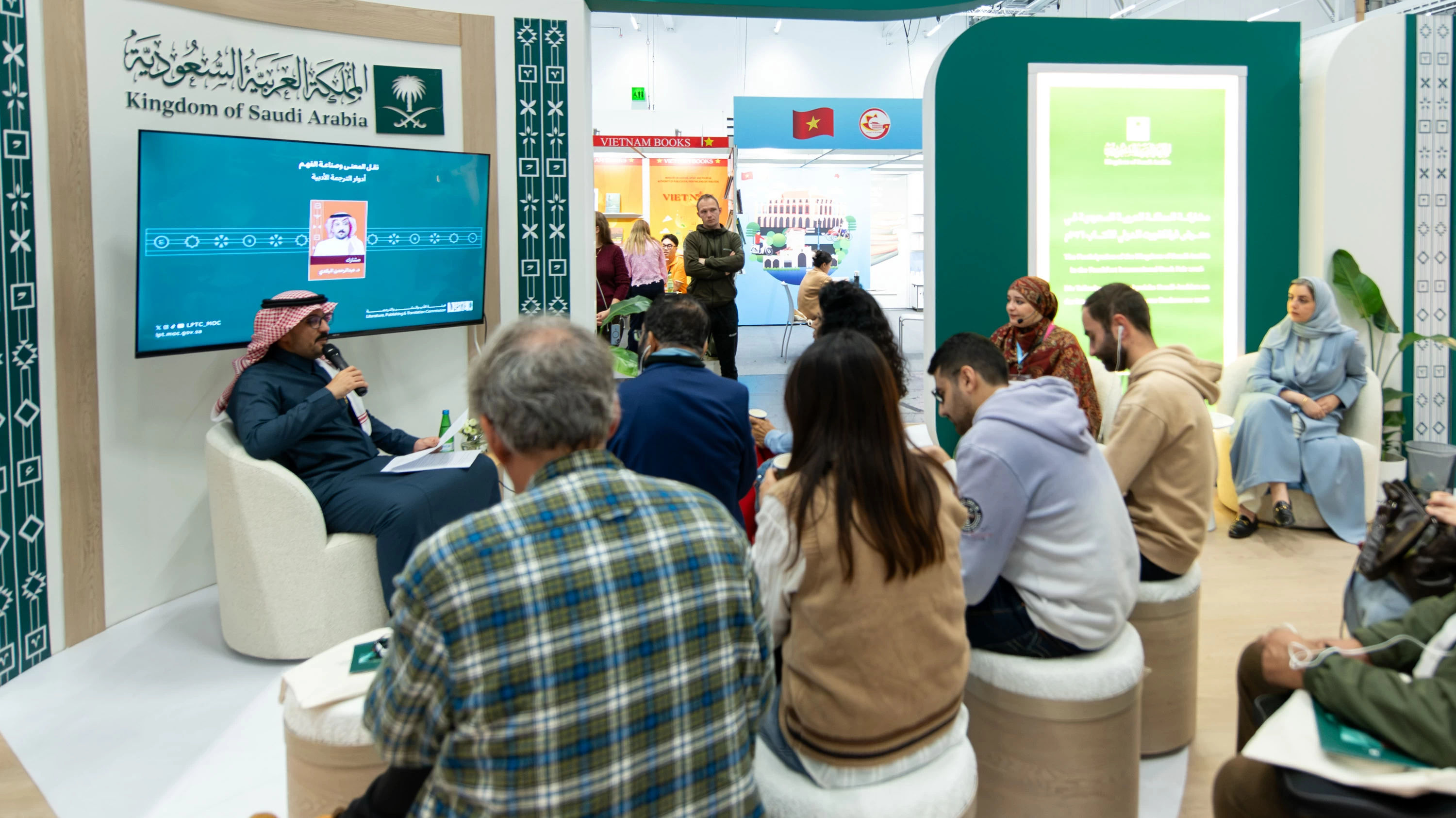
وأوضح الواصل أن البرنامج الثقافي المصاحب للمشاركة أتاح مساحة للحوار بين المبدعين والمثقفين، من خلال ندوات فكرية وأمسيات شعرية تناولت قضايا الأدب والنشر والترجمة، واستعرضت تجارب إبداعية سعودية تعكس نضج المشهد الأدبي وتنوع أصواته، إلى جانب تسليط الضوء على المنجز الثقافي السعودي وحضوره المتنامي في الفضاء الدولي.
وأشار إلى أن المعرض شكّل فرصة لتعزيز العلاقات المهنية وبناء شراكات معرفية مع المؤسسات والجهات العاملة في صناعة الكتاب والنشر، بما يفتح آفاقًا جديدة أمام المحتوى السعودي للوصول إلى القراء في ألمانيا ومختلف أنحاء العالم، ويسهم في توسيع حركة التبادل الثقافي والمعرفي.
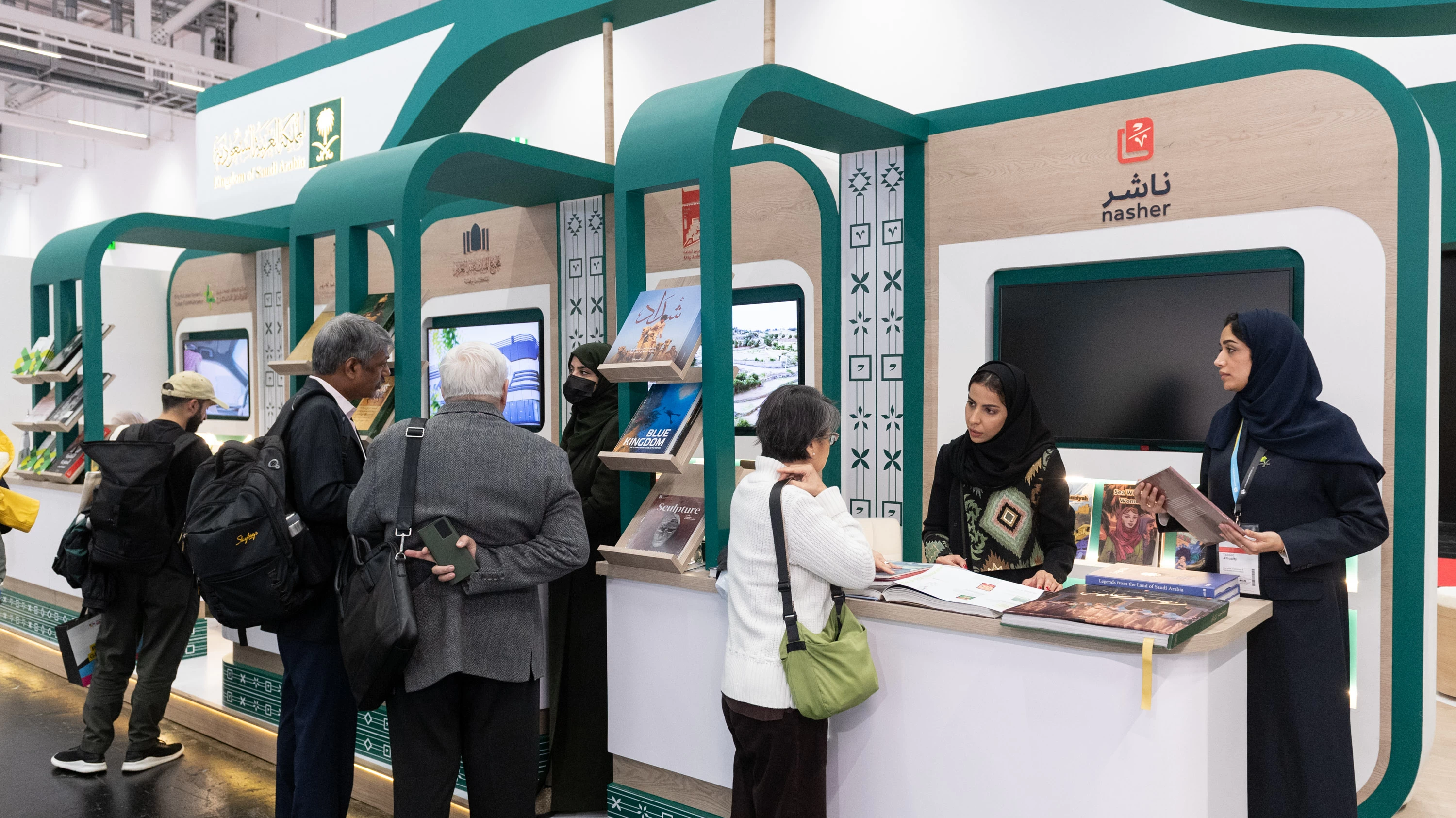
وشهد جناح المملكة مشاركة عدد من الجهات الحكومية والمؤسسات الثقافية والمعرفية، بقيادة هيئة الأدب والنشر والترجمة، وضمت دارة الملك عبدالعزيز، ومكتبة الملك عبدالعزيز العامة، وجامعة الملك عبدالعزيز، ومركز الملك عبدالعزيز للتواصل الحضاري، ومجمع الملك عبدالعزيز للمكتبات الوقفية، ومركز الأمير محمد بن سلمان للخط العربي، وشركة ناشر للنشر والتوزيع، ووزارة الشؤون الإسلامية والدعوة والإرشاد، ومجمع الملك فهد لطباعة المصحف الشريف، والملحقية الثقافية السعودية في ألمانيا. وجسّد هذا الحضور تكامل المؤسسات الوطنية في تقديم صورة شاملة عن المشهد الثقافي السعودي.
ومع إسدال الستار على معرض فرانكفورت الدولي للكتاب، لم تنتهِ حكاية الحضور السعودي عند حدود الجناح وصفحات الكتب، بل امتدت إلى مساحات أوسع من الحوار والتعارف والتبادل المعرفي. فقد غادرت المملكة المعرض وهي تؤكد أن الثقافة ليست مجرد إرث يُروى، بل إبداع يتجدد ورسالة تعبر اللغات، وأن الكتاب السعودي لم يعد يكتفي بقراءة العالم، بل أصبح يحمل صوته وتجربته ليكون جزءًا من الحكاية الثقافية التي يكتبها العالم.
The Saudi Arabian Authority for Literature, Publishing, and Translation concluded the Kingdom's participation in the 2026 Frankfurt International Book Fair, which took place from October 7 to 11 in Frankfurt, Germany. This cultural participation reflected the transformation that the Kingdom is experiencing in the fields of literature, publishing, and translation, opening new windows for communication with global cultures and confirming that Saudi books have become more present in the realms of international knowledge.
The Saudi participation was not merely an attendance at one of the largest global forums for the book industry; rather, it was an extension of a cultural project whose impact expands year after year, providing Saudi creativity with a broader space for dialogue and interaction, in a scene where words transcend geographical boundaries, and translation becomes a bridge for communication between peoples. Saudi literature presents its experiences and visions as an authentic voice in the global cultural landscape.
The CEO of the Authority for Literature, Publishing, and Translation, Dr. Abdul Latif bin Abdulaziz Al-Wasel, confirmed that the Kingdom's participation in the fair is part of the Authority's efforts to promote Saudi literary and intellectual production and highlight the rapid developments in the literature, publishing, and translation sectors under Saudi Vision 2030. He pointed out that the Saudi pavilion presented a comprehensive image of the cultural movement in the Kingdom, showcasing its creative diversity and rich knowledge.
Al-Wasel explained that the accompanying cultural program provided a space for dialogue among creators and intellectuals through intellectual seminars and poetry evenings that addressed issues of literature, publishing, and translation, showcasing Saudi creative experiences that reflect the maturity of the literary scene and the diversity of its voices, alongside highlighting the Saudi cultural achievements and its growing presence in the international arena.
He noted that the fair represented an opportunity to strengthen professional relationships and build knowledge partnerships with institutions and entities working in the book and publishing industry, opening new horizons for Saudi content to reach readers in Germany and around the world, contributing to the expansion of cultural and intellectual exchange.
The Kingdom's pavilion witnessed the participation of several government entities and cultural and intellectual institutions, led by the Authority for Literature, Publishing, and Translation. It included the King Abdulaziz Foundation, the King Abdulaziz Public Library, King Abdulaziz University, the King Abdulaziz Center for National Dialogue, the King Abdulaziz Complex for Endowment Libraries, the Prince Mohammed bin Salman Center for Arabic Calligraphy, the Publisher Company for Publishing and Distribution, the Ministry of Islamic Affairs, Dawah, and Guidance, the King Fahd Complex for the Printing of the Holy Quran, and the Saudi Cultural Attaché in Germany. This presence embodied the integration of national institutions in presenting a comprehensive image of the Saudi cultural scene.
As the curtain fell on the Frankfurt International Book Fair, the story of Saudi presence did not end at the boundaries of the pavilion and the pages of books; rather, it extended to broader spaces of dialogue, acquaintance, and knowledge exchange. The Kingdom left the fair affirming that culture is not merely a heritage to be narrated, but a creativity that renews itself and a message that transcends languages. The Saudi book no longer merely reads the world; it now carries its voice and experience to become part of the cultural narrative being written by the world.