لم تعد الكلمة في العصر الرقمي تنتظر زمناً طويلاً إلى أن تنتشر، إذ يكفي مقطع قصير، أو منشور عابر، أو وسم يحظى بتفاعل واسع، لتتحول مفردة جديدة خلال وقت وجيز إلى تعبير متداول في الأحاديث اليومية. وإذا كانت المفردات تنتقل في الماضي عبر الكتب والصحف ووسائل الإعلام التقليدية، فإن المنصات الرقمية أتاحت فضاءً مفتوحاً، يشارك فيه ملايين المستخدمين في إنتاج الكلمات والتعبيرات وإعادة تداولها، الأمر الذي جعل البيئة الرقمية أحد أبرز الميادين التي تشهد تحوّلات اللغة المعاصرة.
ولا يقتصر هذا التحوّل على ظهور مفردات جديدة، بل يمتد إلى طريقة بناء الرسالة المكتوبة، وكيفية التعبير عن المشاعر والمعاني، وطبيعة العلاقة بين النص والمتلقي.
اللغة الرقمية.. تحول في أدوات التعبير
وتمثل المنصات الرقمية بيئة تواصلية مختلفة فرضت إيقاعاً جديداً على اللغة، إذ أصبح المستخدم مطالباً بإيصال فكرته ومشاعره بسرعة وفي مساحة محدودة، مع غياب كثير من العناصر المصاحبة للتواصل الشفهي، مثل نبرة الصوت وتعبيرات الوجه والإيماءات.
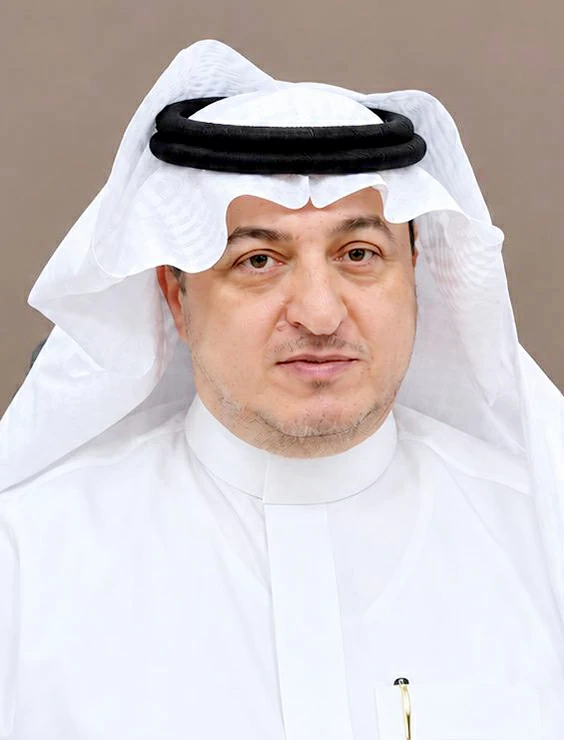
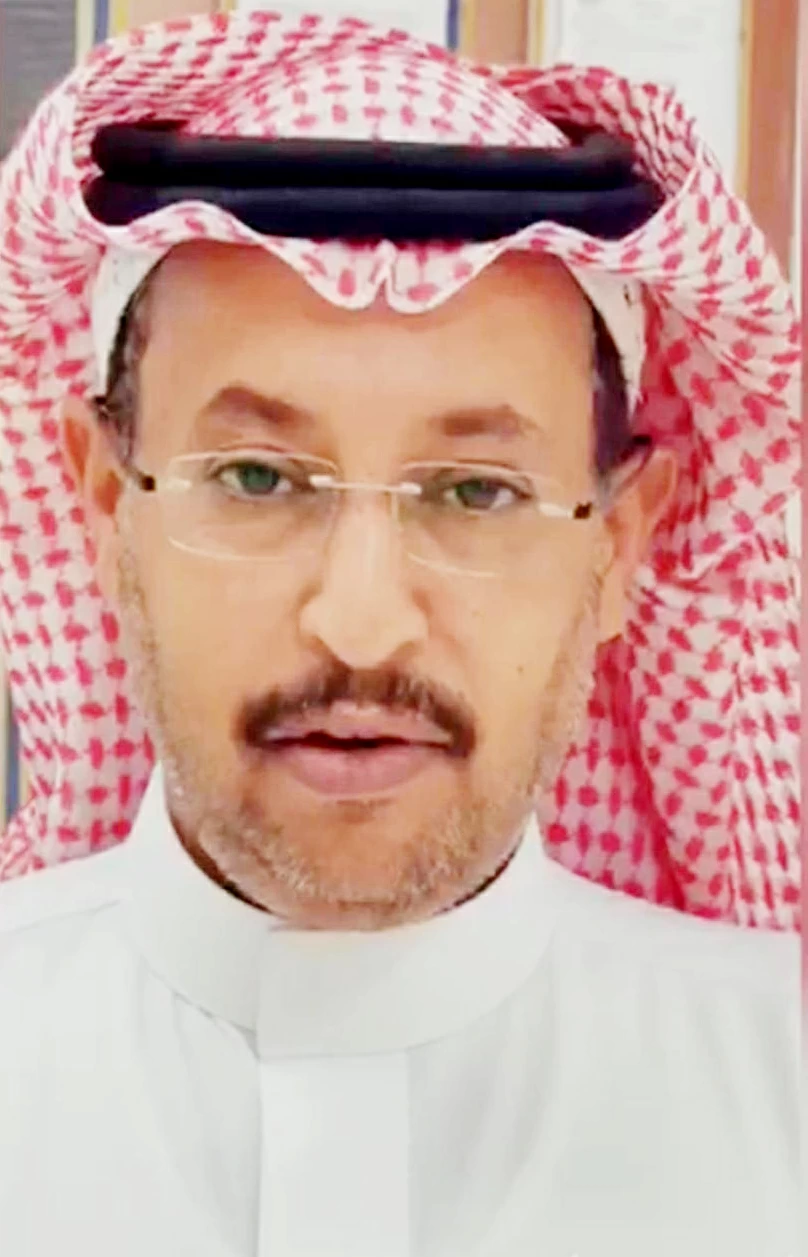
ويرى أستاذ اللغويات الدكتور يوسف بن محمود فجّال أن اللغة الرقمية تمثل ثورة تواصلية، أعادت تشكيل الإدراك اللغوي ووسائل التعبير عن المعنى، مشيراً إلى أن تأثير المنصات الرقمية لم يعد مقتصراً على ابتكار مفردات جديدة، بل امتد إلى تحويل النص المكتوب من أداة لنقل الأفكار المجردة إلى سلوك أدائي بحد ذاته، موضحاً أن التفاعل الرقمي أوجد بيئة تواصلية تتسم بالسرعة والضغط الزمني، ما أدى إلى بروز نظام لغوي لا يُقاس فقط بمدى مطابقته للقواعد التقليدية، وإنما بقدرته على سد الفجوة بين النص المكتوب والمشاعر الإنسانية المتدفقة.
من نبرة الصوت إلى الرمزلا تعتمد الرسالة على الكلمات وحدها، إذ تسهم نبرة الصوت وتعبيرات الوجه والإيماءات في تحديد المعنى والدلالة. أما في البيئة الرقمية، فإن غياب هذه العناصر دفع المستخدمين إلى تطوير وسائل بديلة، من بينها الرموز التعبيرية، والتكرار الحرفي، وتعديل علامات الترقيم، بهدف نقل بعض المعاني والانفعالات التي كانت تؤدى بصورة طبيعية في التواصل الشفهي.
ويرى فجّال أن هذه الأدوات أصبحت وسائل تعويضية تعيد إلى اللغة المكتوبة جانباً من روح التواصل الشفهي المباشر، مؤكداً أن الرمز والتكرار وعلامات الترقيم لم تعد مجرد عناصر شكلية، وإنما أصبحت في بعض السياقات جزءاً من عملية بناء المعنى.
وبذلك، لم تعد الكتابة الرقمية نسخة مختصرة من الكتابة التقليدية، وإنما أصبحت نمطاً تواصلياً له خصائصه وأدواته.
نحو تفاعلي واقتصاد لغوي
يفرض الإيقاع السريع للمنصات الرقمية اختيارات لغوية تتجه نحو الاختصار والتكثيف، بهدف تحقيق سرعة الإفهام وإيصال الفكرة بأقل قدر ممكن من الكلمات.
ولفت فجّال إلى أن المنصات الرقمية أوجدت ما يمكن وصفه بـ«نحو تفاعلي» تصاغ فيه البنية اللغوية لتتلاءم مع السرعة الفائقة في الإفهام وإيصال الأفكار.
ويضيف أن الكتابة في هذه المنصات أصبحت خاضعة بدرجة أكبر لمنطق الاقتصاد اللغوي والتعبير البصري الموازي، بما يحقق النجاعة التواصلية وسرعة إيصال المعلومة، مضيفاً أن من مظاهر ذلك الاختصارات، والرموز، والوسوم، والتكرار الحرفي، إلى جانب أنماط مختلفة من الترقيم، وهي أدوات أسهمت في منح النص الرقمي مرونة تتناسب مع طبيعة الوسيط.
حين يصبح الرمز جزءاً من اللغة
لم تعد الهاشتاقات والوسوم والرموز التعبيرية عناصر منفصلة عن الرسالة الرقمية، بل أصبحت تؤدي أدواراً دلالية وتواصلية في كثير من السياقات.
ويذهب فجّال إلى أن الوظيفة النحوية والدلالية انتقلت جزئياً من الكلمات إلى الرموز التعبيرية والهاشتاقات والوسوم والتكرار الحرفي التعويضي.
ويؤكد أن هذه الظاهرة لا تعني اختفاء الوظائف التقليدية للكلمات، وإنما تكشف توسع الأدوات التي يعتمد عليها المتلقي في تفسير الرسالة وبناء معناها.
ومن هنا أصبح النص الرقمي يجمع بين الكلمة والعلامة والسياق البصري، في عملية تواصلية أكثر تعقيداً من الكتابة التقليدية.
اللغة العربية أمام التحول الرقمي
على الرغم من هذه التحولات، فإن العلاقة بين التقنية والعربية لا يمكن اختزالها في تأثير أحادي الاتجاه، إذ إن اللغة نفسها تمتلك قدرة على استيعاب المستجدات وإعادة توظيفها.
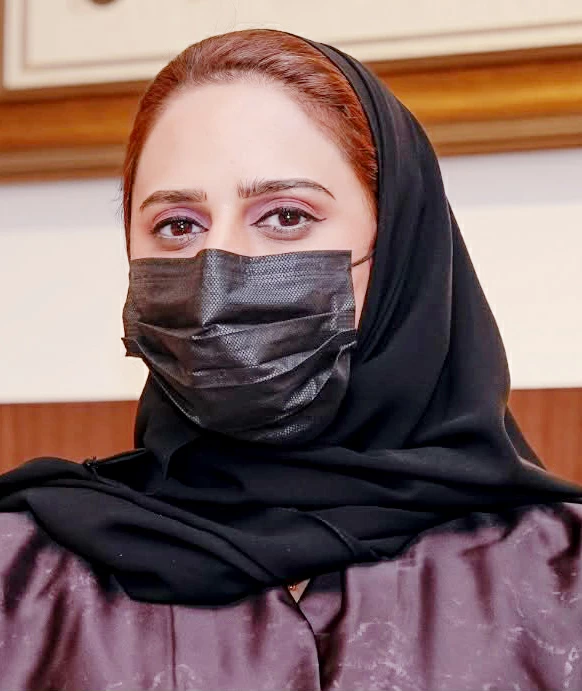
وترى أستاذة فلسفة اللغة الدكتورة منى بنت صالح الحضيف أن اللغة لم تكن يوماً بمنأى عن التطور والإبداع، بل ظلت ملازمة لكل تقدم وتجديد يطرأ على الحياة، وقادرة على مواكبة تغير الظروف وتنوعها، لافتةً إلى أن العربية واجهت عبر تاريخها تحديات عدة، من بينها احتكاك العرب بغيرهم من الشعوب، وما نتج عنه من دخول ألفاظ أعجمية، إلى جانب انتشار العامية ومحاولات التقريب بينها وبين الفصحى، إلا أن اللغة العربية استطاعت المحافظة على مكانتها. وأضافت أن التقنية تمثل مرحلة جديدة من مراحل تطور اللغة، مؤكدة أن سطوة التقنية لم تستطع أن تهز عرش العربية، بل أوجدت فرصة لتتفاعل اللغة معها وتوظف إمكاناتها في خدمة التواصل والمعرفة.
التقنية.. مختبر لتوليد المفردات
أسهمت المنصات الرقمية في تسريع ظهور المفردات وتداولها، إذ يمكن للكلمة أو التعبير أن ينتقل خلال دقائق من نطاق محدود إلى جمهور واسع.
وأكدت الحضيف أن اللغة استطاعت أن تتكاتف مع التقنية لتكوّن مختبراً واسعاً لتوليد كلمات جديدة تتواكب مع العصر، دون أن يعني ذلك تراجع قوة العربية الفصحى.
وتشير إلى أن المنصات الرقمية أصبحت موسوعة لغوية في متناول الجميع، تضم الكلمات العربية بمعانيها ومرادفاتها وأضدادها، إلى جانب المصطلحات والوسوم التي يمكن أن تنتشر في دقائق حول العالم، بعد أن كان الوصول إلى بعض هذه المعلومات يتطلب الرجوع إلى المعاجم الورقية.
من الاختصار إلى إعادة تشكيل المفردة
شهدت المراحل الأولى من التواصل الرقمي انتشار أنماط من الاختصار والرموز، من بينها كتابة الكلمات العربية باستخدام الحروف الإنجليزية والأرقام.
وأوضحت الحضيف أن هذه الممارسة لم تستطع أن تحل محل العربية، مؤكدة أن قوة اللغة وقدرتها على التكيف أسهمتا في تجاوز تلك المرحلة.
كما أسهمت التقنية، بحسب رؤيتها، في حفظ الكثير من العبارات في صورة اختصارات ورموز، الأمر الذي جعل كتابتها أسرع وأسهل في بعض أنماط التواصل.
كلمات قديمة بدلالات جديدة
لا يقتصر التجدد اللغوي على ابتكار مفردات جديدة، بل يشمل أيضاً إعادة استخدام كلمات قديمة ومنحها دلالات اصطلاحية تتناسب مع متطلبات العصر.
واستعادت الحضيف مفردة «خوارزمية»، التي كانت مرتبطة بصورة أساسية بكتب الرياضيات، قبل أن يتوسع استخدامها في العصر الحديث لتصبح من المصطلحات المتداولة في علوم البيانات والتقنية.
كما تشير إلى كلمات مثل «تغريدة» و«مشاركة» و«متابعة»، التي اكتسبت دلالات اصطلاحية جديدة مرتبطة بالمنصات الرقمية وأصبحت جزءاً من الاستخدام اليومي.
وتكشف هذه الأمثلة قدرة العربية على إعادة توظيف مخزونها اللغوي وتوسيع دلالاته بما يتناسب مع المفاهيم الجديدة.
مرونة العربية في استيعاب المصطلحات
إلى جانب إعادة توظيف المفردات العربية، تواجه المنصات الرقمية تدفقاً مستمراً للمصطلحات الأجنبية، خصوصاً في مجالات التقنية والذكاء الاصطناعي والبرمجيات.
ويرى الدكتور فجّال أن اللغة الرقمية أظهرت مرونة في التعامل مع الكلمات العابرة للثقافات، إذ استطاعت العربية في بعض السياقات إخضاعها للمقاييس الصرفية المحلية، بما في ذلك عصرنة الأفعال وتوليد المصادر من أسماء التكنولوجيا.
ويعكس ذلك قدرة النظام اللغوي على التعامل مع المستجدات وإعادة تشكيل بعض المفردات بما يتلاءم مع بنية اللغة وحاجات مستخدميها.
وعدّت الحضيف ما عُرّب من كلمات وأُدخل في قواميس العربية دليلاً على قدرة اللغة على التجدّد، مشيرة إلى أن العربية لا تقف في وجهها وسيلة أو قوة عندما يتعلق الأمر بقدرتها على استيعاب الجديد.
هل تغيّرت اللغة أم تغيّرت طريقة استخدامها؟
تكشف قراءة التحوّلات الرقمية أن التأثير لا يقتصر على تغيير المفردات، وإنما يشمل الطريقة التي تُبنى بها الرسالة وكيفية تلقيها وفهمها.
وقال فجّال إن اللغة الرقمية ليست خروجاً عن منطق اللغة، وإنما تمثل تكيّفاً وظيفياً مشروطاً بطبيعة الوسيط الرقمي، الذي يجمع بين منطق القواعد وحركية الشفاهية وبصرية الرمز.
وتلتقي هذه الرؤية مع ما ذهبت إليه الدكتورة الحضيف من أن أصالة العربية وسعيها المستمر إلى مواكبة الزمن جعلا منها لغة متجددة تساير التطور وتتفاعل معه دون التخلي عن هويتها وقوتها.
المنصات الرقمية.. صناعة للرواج اللغوي
تمنح المنصات الرقمية المستخدم دوراً مباشراً في إنتاج المحتوى وانتشاره، وهو ما جعلها مساحة مفتوحة لصناعة المفردات الرائجة.
فالمفردة قد تبدأ في تعليق أو مقطع أو وسم، ثم تنتقل إلى جمهور أوسع نتيجة إعادة استخدامها وتداولها، وقد تتغير دلالتها مع انتقالها بين السياقات.
وتختلف قدرة المفردات على البقاء؛ فبعضها يرتبط بظاهرة مؤقتة وينحسر بانحسارها، بينما تستقر مفردات أخرى في الاستخدام العام وتصبح جزءاً من الحياة اليومية.
ومن هنا تمثل المفردات الرقمية مادة مهمة أمام الباحثين لدراسة التحولات اللغوية والاجتماعية، ورصد العلاقة بين اللغة والمجتمع والتقنية.
العربية.. لغة تتجدّد مع العصر
تؤكد التجربة الرقمية أن اللغة العربية ليست منظومة جامدة، وإنما لغة قادرة على التفاعل مع المستجدات وإعادة إنتاج أدواتها ودلالاتها.
فالمنصات الرقمية أسهمت في تسريع تداول المفردات، وإعادة إحياء بعض الكلمات، ومنح أخرى دلالات اصطلاحية جديدة، كما أوجدت أنماطاً تواصلية جمعت بين النص والرمز والصورة والتكرار.
وبينما تفرض البيئة الرقمية تحديات تتعلق بالاختصار والمصطلحات الأجنبية وسلامة الاستخدام، فإنها في المقابل تتيح فرصاً واسعة لتعزيز حضور العربية في التقنية والإعلام وصناعة المحتوى.
والتقت رؤية الدكتور يوسف فجّال والدكتورة منى بنت الحضيف على حقيقة أن قدرة العربية على التكيف تمثل أحد مصادر قوتها واستمرارها؛ فاللغة تستطيع أن تتطور مع الوسيط الجديد دون أن تتخلى عن أصولها وهويتها.
وفي عصر تتسارع فيه ولادة المفردة وانتشارها، لم تعد المنصات الرقمية مجرد وسيلة لتداول اللغة، بل أصبحت فضاءً تتفاعل فيه الكلمة مع الرمز والسياق والمجتمع، وتتشكّل فيه ملامح جديدة للتواصل الإنساني.
ويبقى الرهان الأهم هو أن تستثمر العربية هذه البيئة الجديدة لتكون حاضرة في صناعة المحتوى الرقمي، لا مجرد متلقية لمفرداته، وأن تستفيد من التقنية بوصفها أداة للتجدّد والانتشار، مع المحافظة على ثرائها وأصالتها.
The word in the digital age no longer waits a long time to spread; a short clip, a fleeting post, or a hashtag that receives wide interaction is enough for a new term to quickly become a common expression in daily conversations. While vocabulary used to spread in the past through books, newspapers, and traditional media, digital platforms have provided an open space where millions of users participate in producing and circulating words and expressions, making the digital environment one of the most prominent arenas witnessing transformations in contemporary language.
This transformation is not limited to the emergence of new vocabulary; it extends to the way written messages are constructed, how feelings and meanings are expressed, and the nature of the relationship between the text and the recipient.
Digital Language.. A Shift in Tools of Expression
Digital platforms represent a different communicative environment that has imposed a new rhythm on language, as users are now required to convey their thoughts and feelings quickly and within a limited space, with many elements accompanying verbal communication, such as tone of voice, facial expressions, and gestures, being absent.
Professor of Linguistics Dr. Youssef bin Mahmoud Fajjal believes that digital language represents a communicative revolution that has reshaped linguistic perception and means of expressing meaning. He points out that the impact of digital platforms is no longer limited to the invention of new vocabulary; it has extended to transforming written text from a tool for conveying abstract ideas into a performative behavior in itself. He explains that digital interaction has created a communicative environment characterized by speed and time pressure, leading to the emergence of a linguistic system that is not only measured by its adherence to traditional rules but also by its ability to bridge the gap between written text and flowing human emotions.
From Tone of Voice to Symbols The message does not rely solely on words, as tone of voice, facial expressions, and gestures contribute to determining meaning and significance. In the digital environment, the absence of these elements has pushed users to develop alternative means, including emoticons, literal repetition, and modification of punctuation marks, to convey some meanings and emotions that would naturally occur in verbal communication.
Fajjal sees that these tools have become compensatory means that restore to written language some of the spirit of direct verbal communication, emphasizing that symbols, repetition, and punctuation marks are no longer mere formal elements but have, in some contexts, become part of the meaning-building process.
Thus, digital writing is no longer a shortened version of traditional writing; it has become a communicative style with its own characteristics and tools.
Towards Interactive Grammar and Linguistic Economy
The rapid pace of digital platforms imposes linguistic choices that lean towards brevity and condensation, aiming to achieve quick understanding and convey ideas with the least number of words possible.
Fajjal pointed out that digital platforms have created what can be described as an "interactive grammar" in which the linguistic structure is formulated to align with the ultra-fast pace of understanding and conveying ideas.
He adds that writing on these platforms has become more subject to the logic of linguistic economy and parallel visual expression, achieving communicative efficiency and speed in conveying information. This is reflected in abbreviations, symbols, hashtags, literal repetition, as well as various patterns of punctuation, which are tools that have contributed to granting digital text flexibility that suits the nature of the medium.
When Symbols Become Part of Language
Hashtags, tags, and emoticons are no longer separate elements from the digital message; they have begun to play semantic and communicative roles in many contexts.
Fajjal argues that the grammatical and semantic functions have partially shifted from words to emoticons, hashtags, tags, and compensatory literal repetition.
He emphasizes that this phenomenon does not mean the disappearance of the traditional functions of words but reveals the expansion of the tools that the recipient relies on to interpret the message and construct its meaning.
Thus, the digital text combines words, symbols, and visual context in a communicative process that is more complex than traditional writing.
The Arabic Language in the Face of Digital Transformation
Despite these transformations, the relationship between technology and Arabic cannot be reduced to a one-way influence, as the language itself possesses the ability to absorb new developments and repurpose them.
Professor of Philosophy of Language Dr. Mona bint Saleh Al-Hudhayf sees that language has never been isolated from development and creativity; rather, it has always accompanied every advancement and renewal that occurs in life, capable of keeping pace with changing and diverse circumstances. She points out that Arabic has faced several challenges throughout its history, including the interaction of Arabs with other peoples, which led to the introduction of foreign terms, alongside the spread of colloquial language and attempts to bridge it with classical Arabic. However, the Arabic language has managed to maintain its status. She added that technology represents a new stage in the evolution of language, emphasizing that the dominance of technology has not shaken the throne of Arabic; instead, it has created an opportunity for the language to interact with it and utilize its potentials in serving communication and knowledge.
Technology.. A Laboratory for Generating Vocabulary
Digital platforms have contributed to accelerating the emergence and circulation of vocabulary, as a word or expression can move within minutes from a limited scope to a wide audience.
Al-Hudhayf confirmed that language has managed to collaborate with technology to form a vast laboratory for generating new words that keep pace with the times, without this meaning a decline in the strength of classical Arabic.
She points out that digital platforms have become a linguistic encyclopedia accessible to everyone, containing Arabic words with their meanings, synonyms, and antonyms, in addition to terms and hashtags that can spread in minutes around the world, whereas accessing some of this information previously required referring to paper dictionaries.
From Abbreviation to Reshaping Vocabulary
The early stages of digital communication witnessed the spread of patterns of abbreviation and symbols, including writing Arabic words using English letters and numbers.
Al-Hudhayf clarified that this practice could not replace Arabic, affirming that the strength of the language and its ability to adapt contributed to overcoming that stage.
She also believes that technology has contributed to preserving many phrases in the form of abbreviations and symbols, making their writing faster and easier in some communication styles.
Old Words with New Significations
Language renewal is not limited to inventing new vocabulary; it also includes reusing old words and granting them conventional significations that align with the demands of the era.
Al-Hudhayf recalled the term "algorithm," which was primarily associated with mathematics books before its usage expanded in modern times to become one of the commonly used terms in data science and technology.
She also refers to words like "tweet," "share," and "follow," which have acquired new conventional significations related to digital platforms and have become part of daily usage.
These examples reveal the Arabic language's ability to repurpose its linguistic inventory and expand its significations to fit new concepts.
The Flexibility of Arabic in Absorbing Terms
In addition to repurposing Arabic vocabulary, digital platforms face a continuous influx of foreign terms, especially in the fields of technology, artificial intelligence, and software.
Dr. Fajjal believes that digital language has shown flexibility in dealing with cross-cultural words, as Arabic has managed, in some contexts, to subject them to local morphological standards, including modernizing verbs and generating sources from technology names.
This reflects the linguistic system's ability to deal with new developments and reshape some vocabulary to align with the structure of the language and the needs of its users.
Al-Hudhayf considered the words that have been Arabized and entered Arabic dictionaries as evidence of the language's ability to renew itself, noting that Arabic does not stand against any means or force when it comes to its capacity to absorb the new.
Has the Language Changed or Has the Way It Is Used Changed?
A reading of digital transformations reveals that the impact is not limited to changing vocabulary but also includes the way messages are constructed and how they are received and understood.
Fajjal stated that digital language is not a departure from the logic of language; rather, it represents a functional adaptation conditioned by the nature of the digital medium, which combines the logic of rules with the dynamics of orality and the visuality of symbols.
This perspective aligns with what Dr. Al-Hudhayf argued, that the authenticity of Arabic and its continuous endeavor to keep pace with the times have made it a renewed language that keeps up with development and interacts with it without abandoning its identity and strength.
Digital Platforms.. A Production of Linguistic Popularity
Digital platforms grant users a direct role in producing and disseminating content, making them an open space for creating trending vocabulary.
A term may start in a comment, clip, or hashtag, then move to a wider audience due to its reuse and circulation, and its significance may change as it transitions between contexts.
The ability of vocabulary to persist varies; some are linked to a temporary phenomenon and fade as it recedes, while others stabilize in general usage and become part of daily life.
Thus, digital vocabulary represents an important material for researchers to study linguistic and social transformations and to monitor the relationship between language, society, and technology.
Arabic.. A Language Renewing with the Times
The digital experience confirms that the Arabic language is not a rigid system but a language capable of interacting with new developments and reproducing its tools and significations.
Digital platforms have contributed to accelerating the circulation of vocabulary, reviving some words, and granting others new conventional significations, as well as creating communicative patterns that combine text, symbols, images, and repetition.
While the digital environment imposes challenges related to abbreviation, foreign terminology, and proper usage, it also provides wide opportunities to enhance the presence of Arabic in technology, media, and content creation.
Dr. Youssef Fajjal and Dr. Mona bint Al-Hudhayf's vision converges on the fact that Arabic's ability to adapt represents one of its sources of strength and continuity; the language can evolve with the new medium without abandoning its roots and identity.
In an era where the birth and spread of vocabulary are accelerating, digital platforms have become not just a means of circulating language but a space where words interact with symbols, context, and society, shaping new features of human communication.
The most important bet remains that Arabic invests in this new environment to be present in the production of digital content, not just a recipient of its vocabulary, and to benefit from technology as a tool for renewal and dissemination while preserving its richness and authenticity.