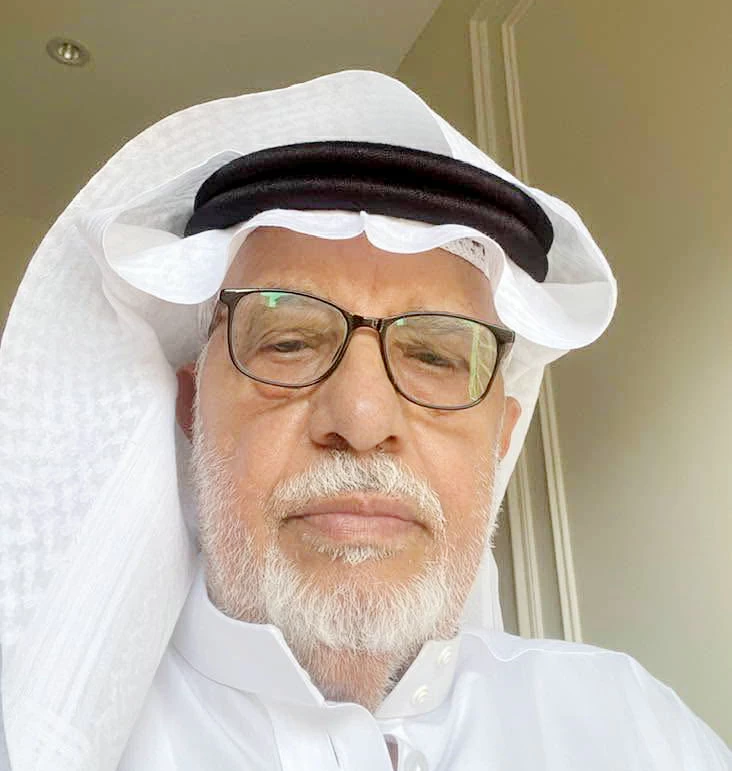
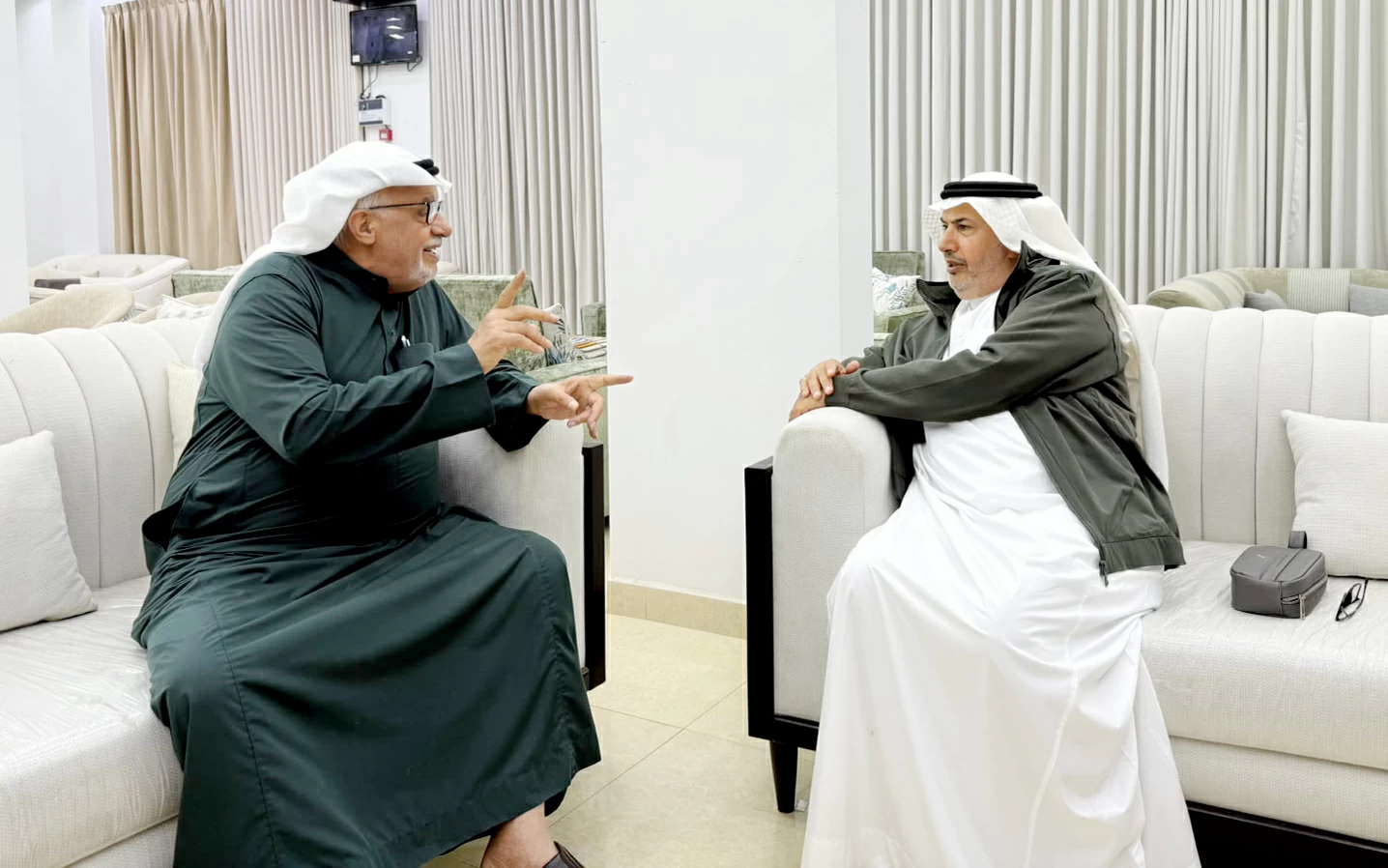
يعتمد القاص عثمان سعيد الغامدي، في أعماله، على ذاكرة تختزن فانتازيا من الأحداث والمواقف والمشاهدات؛ ما يمكّنه من كتابة أكثر من رواية، ولم يقصر همّه واهتمامه على القراءة، بل أنشأ علاقات إنسانية من خلال مجتمع التعليم في جدة، وعشق اللون فرسم اللوحة، وافتتن بالصورة فحمل الكاميرا، وظل متعدد المشارب، وانعكست ذائقته الجمالية على ما يكتب ويرسم ويلتقط بعينه قبل عدسته، ولعلّه استشعر مسؤولية الالتزام الكتابي أخيراً، فأصدر، عقب مجموعتين قصصيتين، رواية «دم أسود»، وهنا جانب من حديث طويل، بدأ ولم ينتهِ بعد.. فإلى نصّ الحوار..
• نبدأ من الطفولة، حدّثنا عنها؟
•• ولدت إثر أخواتي البنات، وكان ذلك حدثاً كبيراً أسعد والدي، فاحتفى بمقدمي، إلّا أن المرض رافق دربي منذ السنة الثانية من عمري، إذ تكونت الأحجار في المثانة، وعجزتُ عن الاستجابة لنداء الفطرة البشرية؛ إلا قطرات قليلة، ولم يكن هناك مستشفى ولا طبيب، وحضر من قرية (المكارمة في بلجرشي) طبيب شعبي يحمل شهادة خبرته المتمثلة في خريطة من القماش يحملها على ظهره، وبها 40 حجراً استخرجها من أناس قبلي، وشق بالمشرط، واستخرج الحجر، رحمه الله وغفر له.
• في روايتك الأحدث «دم أسود» تاريخ وجغرافيا ووجوه.. هل قصدت ذلك أم أن ذاكرة السرد استدعتهم رغماً عنك؟
•• لقد حضرت كل الوجوه في المكان والزمان بعفوية، وتزاحم عليَّ الكثير منها، وكتبت عن الأكثر حضوراً منها.
• هل خلدت هذه الرواية في أدراجك عشرين عاماً؟ ولماذا؟
•• نعم، نامت رواية «دم أسود» في الأدراج كل تلك الأعوام بفعل النقد القاسي من صديق أكنُّ له التقدير الكامل، إذ طلب مني حذف بعض الأحداث؛ فرفضت؛ لأني تعاطفت جداً مع الأحداث التي أخذتني إلى الاندماج معها في بوتقة واحدة.
• من «الحراج» إلى «شدا يحني قامته» والثيمة الإنسانية طاغية الحضور، ما أثر ردود فعلك الإنسانية على انفعالك الكتابي؟
•• في كل أعمالي التي ذكرت، الحس الإنساني هو الذخيرة لتلك الأعمال، إذ عشتُ وعايشتُ بعضها، واندمجت مع بعضها إلى حد الانصهار والتماهي. ولم يساعدني في الخروج منها إلا نشر روايتي «دم أسود»، إذ تحررتُ من مشاعر عدة، بالعودة لكتابة عمل سردي جديد لا يزال في بدايته الأولى.
• ألوان اللوحة تأسرك، وعدسة الكاميرا تجنّح بك بعيداً، كيف ترى تكامل الفنون في عملك؟
•• اللوحة والصورة هوايات تقتنص فكرتها قبل فرارها، وتصب في أعمالي السردية لتندمج وتتبلور، وتفتح أفقاً جديداً في شهادتي على العصر الذي مر من أمامي كشريط سينمائي؛ أحياناً يصرخ، وأحياناً يهمس، وأحياناً يمجّد، وأحياناً يسير مع الركب.
• ألا يؤثر تعدّد الاهتمامات على الإخلاص للفنّ السردي؟
•• السرد هو الأب الروحي، وما سواه هوايات ربما تعزّز ما قصدته في سردي، وربما تكون وجهاً آخر؛ له طعمه، ولونه، وربما تختزل صورة أو لوحة حياةً لم تتمكن الحروف من قولها.
• يصفك البعض بالحكّاء الماهر، ألا يستنفد الحكي الكثير من مخزونك الجدير بالكتابة؟
•• ربما، لكن الناقد الداخلي لا يترك للحديث في المجالس مجالاً لاستنفاد المخزون، ولا يزال لديَّ الكثير من ذلك المخزون، لعل الزمن يسعفني بكتابته.
• ماذا عن العلاقة بالقراءة؟ ومتى كانت الغواية الأولى؟
•• في مجال السرد كانت في المرحلة المتوسطة، أتممت قراءة «البؤساء»، و«الشيخ والبحر»، و«موسم الهجرة إلى الشمال» للطيب صالح، وأما في الشعر فقرأت كل ما وقع تحت يدي. ساعدني على ذلك أخي الكبير أحمد -رحمه الله-؛ إذ كان يعمل في وزارة الإعلام، ويحضر لي الكتب والمجلات.
• أين نشرت نصك الأول؟
•• زاحمت كبار الكتاب، ونشرت على سبع صفحات في مجلة «المنهل» قصة طويلة بعنوان «العود أحمد»، وفي الملاحق الأدبية في سورية، وفي ملحق «عكاظ» و«المدينة الثقافية». وفي برامج ثقافية بالإذاعة والنوادي الأدبية وجمعيات الثقافة والفنون، وأحياناً أنشر وأكتب لجدران غرفتي.
• لمن تدين بالفضل كتابياً ومعرفياً؟
•• لـ«عكاظ» وملاحقها الأدبية، وللدكتور يوسف العارف، وملحق الأربعاء في جريدة المدينة، وأيضاً مجلة «المنهل».
• بحكم استقرارك المبكّر في المدن، هل يشدّك الحنين إلى القرية؟
•• القرية عندي هي من تحافظ على القيم؛ نجوم ليلها تفتح الآفاق، وخرير الماء وصوت العصافير سمفونية خيالي، وبساط ريحي الذي يحلّق بي في فضاءات عشتها وعايشتها وسمعت بها.
• ما الجديد الذي تعمل عليه؟
•• لو تمكّنت من جمع شتات ما تحتفظ به الأدراج من سرد قصصي (لم ينشر بعد) مع ما يستجد، لربما كان يكفي لإخراج ثلاث مجموعات قصصية ورواية جديدة تُحاكي ما يحدث الآن، وتسافر بي لعالم جديد يرحب بي كلما طرقت أبواب جماله.
The storyteller Othman Saeed Al-Ghamdi relies in his works on a memory that stores a fantasy of events, situations, and observations; this enables him to write more than one novel. His concern and interest did not stop at reading; he also built human relationships through the educational community in Jeddah, fell in love with colors and painted, became fascinated with images and carried a camera, and remained multifaceted. His aesthetic taste is reflected in what he writes, draws, and captures with his eye before his lens. Perhaps he finally felt the responsibility of literary commitment, as he published, after two short story collections, the novel "Black Blood." Here is part of a long conversation that began and has not yet ended... So, to the text of the dialogue...
• Let's start with your childhood; tell us about it?
•• I was born after my sisters, and that was a significant event that made my father happy, so he celebrated my arrival. However, illness accompanied my path from the second year of my life, as stones formed in my bladder, and I was unable to respond to the call of human nature; only a few drops came out. There was neither a hospital nor a doctor, and a folk doctor from the village of Al-Makarim in Baljurashi came, carrying his expertise in a cloth map on his back, which contained 40 stones he had extracted from people before me. He used a scalpel to extract the stone; may God have mercy on him and forgive him.
• In your latest novel "Black Blood," there is history, geography, and faces... Did you intend that, or did the memory of the narrative summon them against your will?
•• All the faces in the place and time appeared spontaneously, and many of them crowded in on me, and I wrote about the most present among them.
• Did this novel remain in your drawers for twenty years? Why?
•• Yes, the novel "Black Blood" slept in the drawers all those years due to harsh criticism from a friend for whom I have complete respect, as he asked me to delete some events; I refused because I felt a deep sympathy for the events that led me to merge with them into a single crucible.
• From "Al-Haraj" to "Shada bows his stature," with the human theme overwhelmingly present, how do your human reactions affect your written expressions?
•• In all the works I mentioned, the human sense is the ammunition for those works, as I lived and experienced some of them, and I merged with some to the point of fusion and identification. The only thing that helped me break free from them was the publication of my novel "Black Blood," as I liberated myself from several emotions by returning to write a new narrative work that is still in its early stages.
• The colors of the painting captivate you, and the camera lens takes you far away; how do you see the integration of arts in your work?
•• The painting and the image are hobbies that capture their idea before they flee, and they pour into my narrative works to merge and crystallize, opening a new horizon in my testimony of the era that passed before me like a cinematic strip; sometimes it screams, sometimes it whispers, sometimes it glorifies, and sometimes it walks with the crowd.
• Does having multiple interests affect your dedication to narrative art?
•• Narrative is the spiritual father, and the other interests are perhaps hobbies that enhance what I intended in my narrative, and they may represent another face; it has its own flavor and color, and perhaps it encapsulates an image or a painting of a life that letters could not express.
• Some describe you as a skilled storyteller; doesn't storytelling exhaust much of your worthy stock for writing?
•• Perhaps, but the internal critic does not leave room for conversation in gatherings to exhaust the stock, and I still have much of that stock; perhaps time will allow me to write it.
• What about your relationship with reading? When was your first temptation?
•• In the field of narrative, it was in middle school when I completed reading "Les Misérables," "The Old Man and the Sea," and "Season of Migration to the North" by Tayeb Salih. As for poetry, I read everything that came into my hands. My older brother Ahmed - may he rest in peace - helped me with that; he worked in the Ministry of Information and brought me books and magazines.
• Where did you publish your first text?
•• I competed with major writers and published a long story titled "The Return of Ahmad" on seven pages in the magazine "Al-Manhal," in the literary supplements in Syria, and in the "Okaz" and "Cultural City" supplements. I also participated in cultural programs on the radio and in literary clubs and cultural and arts associations, and sometimes I publish and write on the walls of my room.
• To whom do you owe your literary and intellectual gratitude?
•• To "Okaz" and its literary supplements, to Dr. Yusuf Al-Aref, to the Wednesday supplement in Al-Madina newspaper, and also to the magazine "Al-Manhal."
• Given your early settlement in cities, do you feel nostalgic for the village?
•• The village for me is what preserves values; its night stars open horizons, and the sound of water and birds is a symphony of my imagination, and the gentle breeze carries me to the spaces I lived, experienced, and heard.
• What new project are you working on?
•• If I could gather the scattered stories I have kept in the drawers (that have not been published yet) with what is new, it might be enough to produce three short story collections and a new novel that reflects what is happening now and takes me to a new world that welcomes me every time I knock on its doors of beauty.