بدأت الحركة المسرحية في قطر من خلال جهود الأندية الرياضية والحركة الكشفية والأنشطة المدرسية منذ خمسينات القرن العشرين، وفي عام 1974 تمّ تأسيس قسم المسرح بوزارة التربية والتعليم، في عهد الوزير الشيخ محمد بن حمد آل ثاني، رحمه الله. غير أن تاريخ تأسيس أول فرقة مسرحية رسمية يعود إلى عام 1972، حينما ظهرت «الفرقة المسرحية القطرية». ثم تلتها فرقة «السد» في عام 1973، و«الأضواء» و«الشعبية» بعد ذلك، ليتم دمج الفرق الأربع في عام 1994 في فرقتين رئيسيتين هما؛ «الفرقة المسرحية القطرية» و«فريق الدوحة المسرحي». وشهد عام 1982 افتتاح «مسرح قطر الوطني» ليصبح أحد الصروح المسرحية المهمة في الخليج العربي، وهو ما وفر بنية تحتية متطورة للفن المسرحي في دولة قطر، بما في ذلك أنظمة إضاءة محوسبة وفرقة أوركسترا متمكنة، وهذا بدوره سهّل عملية استضافة فرق محلية ودولية من أجل الارتقاء بذائقة الجمهور وغرس التقاليد المسرحية العريقة.
ومما لا شك فيه، أن هذه التطورات، علاوة على بدء بث تلفزيون قطر بالأبيض والأسود في عام 1970، وتطوره إلى البث بالألوان في عام 1974، ساهم في ظهور الدراما القطرية منذ عام 1972 والشروع في إنتاج مسلسلات محلية بمشاركة خليجية وعربية. وتمثلت البداية في عرض ثلاث تمثيليات هي؛ «عائلة بوشلاخ»، «أنا غلطان»، و«اللي عنده قلم ما يسوى قلم». وفي عقد الثمانينات من القرن العشرين تطورت الدراما التلفزيونية القطرية كثيراً، وراحت تنافس الأعمال الدرامية الكويتية والسعودية والبحرينية، خصوصاً بعد أن قدمت للجمهور المحلي والخليجي أعمالاً مثل «فايز التوش» و«أين الطريق» و«صرخة ندم» و«الناس الطيبين»، وغيرها. وفي الألفية الجديدة استمر تلفزيون قطر في إنتاج أعمال درامية متميزة، ولاسيما في شهر رمضان، وكان لإنشاء استوديوهات جديدة في عام 2011 دور مهم في تطوير الإنتاج التلفزيوني المحلي، وتقديم برامج ومسلسلات ذات جودة عالية.
وما كان لكل هذا أن يحدث ويتعزز لولا جهود ثلة من الشباب القطري العاشق للفنون المسرحية والدرامية، ممن تشبع بحب التمثيل وتلقى جرعاته الأولى من خلال الوقوف على خشبة المسرح المدرسي أو من خلال التمثيل في الرحلات الكشفية والأنشطة الصيفية.
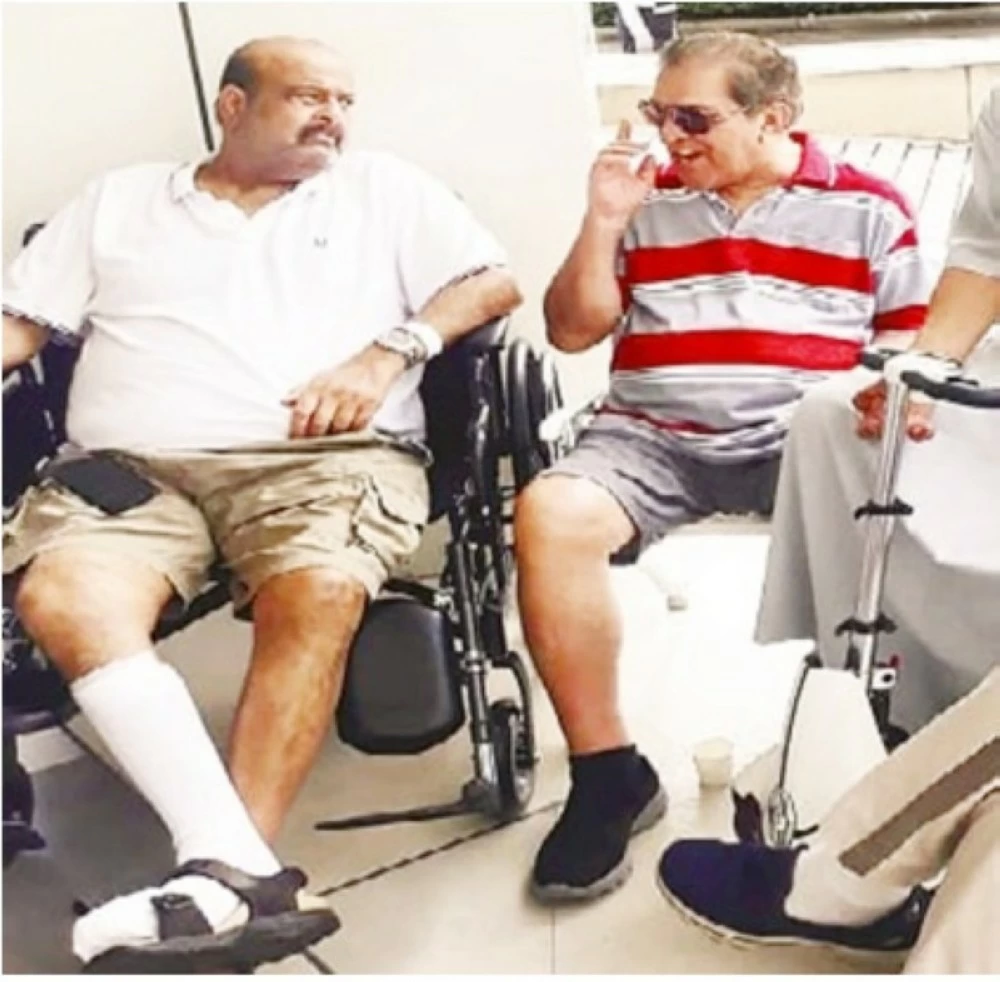
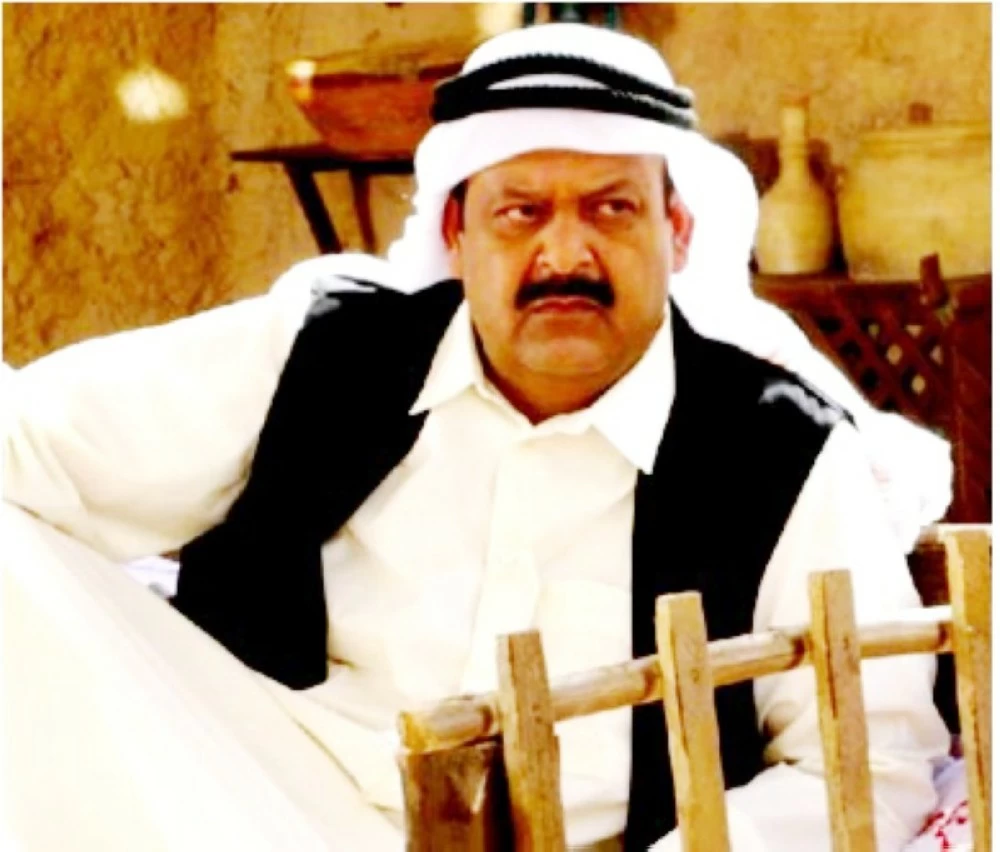
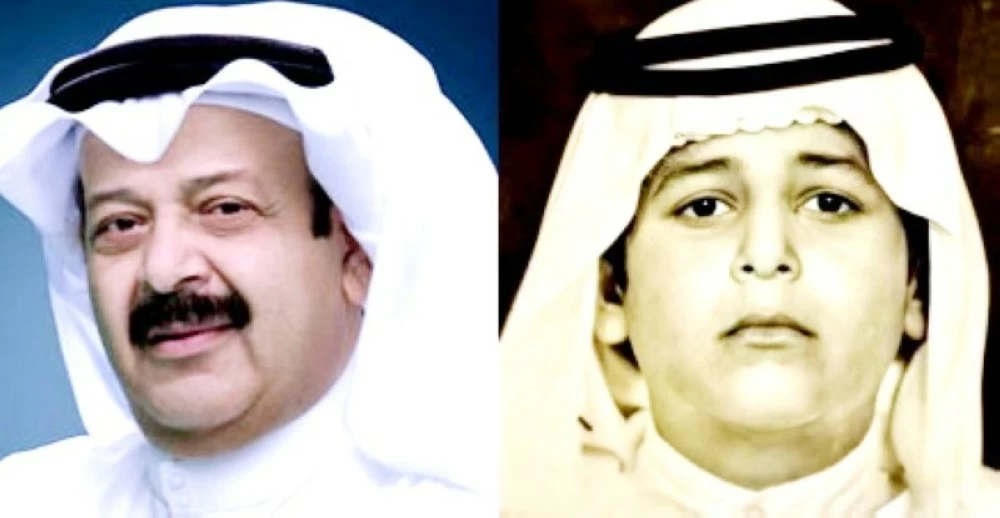
كانت تلك توطئة للحديث عن أحد أبرز روّاد المسرح والدراما القطرية والخليجية، وهو الفنان القطري الراحل «عبدالعزيز جاسم»، الذي تحلّ هذه السنة الذكرى السابعة لرحيله الصادم. إذ إنه سافر إلى العاصمة التايلاندية للعلاج من مضاعفات مرض السكر، وهناك تلقى بعض العلاج واضطر الأطباء إلى بتر أحد أصابع قدمه، وظل رغم ذلك متفائلاً باستعادة عافيته، وكان يستعد للعودة إلى وطنه وفنه ومحبيه الكثر، لولا مشيئة الله، إذ اختطفه الموت في 14 أكتوبر 2018 بمدينة بانكوك عن عمر ناهز 61 عاماً، فتمّ نقل جثمانه إلى الدوحة، حيث ووري الثرى بحضور عدد كبير من المشيعين، تقدمهم زملاؤه من الفنانين القطريين والخليجيين وعدد من المسؤولين. وكان الراحل قد قلّل من ظهوره الفني في الفترة الأخيرة من حياته بسبب المرض، بدليل أن آخر عمل شارك فيه كان مسرحية «ديرة العز» في سنة 2017.
تفوق عبدالعزيز جاسم، المكنى «أبوسعود»، على نفسه في كل الأدوار التي رُسمت له سواء الكوميدية منها أو الشريرة أو التراجيدية، من خلال ما كان يتميز به من حضور وسرعة بديهة وأداء عفوي تلقائي على المسرح أو أمام الكاميرا، فرسخ قدميه في عالمَي المسرح والدراما الخليجية، وتربع على عرشيهما، وبات قاسماً مشتركاً في العديد من الأعمال الفنية المتميزة المحلية والخليجية واسماً تفتخر به قطر، وقد تجلى إبداعه بوضوح في عام 2003 في مسلسل «يوم آخر»، الذي قدم فيه شخصية مدمن الخمر المهمل لأسرته، والذي يعتبر محطة من أهم محطات مشواره.
ومن جانب آخر، نجح «أبوسعود» في إدخال المسلسل الدرامي القطري في منافسة مهمة مع المسلسلات الخليجية الأخرى، على خلفية اعتماد التلفزيون القطري على تجربة المنتج المنفذ التي أثبتت نجاحها مهنياً في مختلف الأعمال الدرامية الخليجية الأخرى. وفي هذا السياق، قال لصحيفة «البيان» الإماراتية (17/ 5/ 2006)، ما مفاده، إن الدراما القطرية متصدرة للدراما الخليجية وتسير على الخط الصحيح، مدللاً على ذلك بحصد قطر جوائز أفضل الأعمال الخليجية في مهرجانات الخليج التلفزيونية، ومرجعاً الأسباب إلى تجربة «المنتج المنفذ» التي اعتمدها تلفزيون قطر، والتي قال، إنها «حققت قفزة للدراما القطرية بسبب التخصص، فاعتماد الدراما على اختصاصيين في الإنتاج من شأنه أن يذلل الكثير من الصعاب ويقلل المشكلات ويخرج بنتائج متميزة في زمن قياسي». وعن المقارنة بين الدراما القطرية والدراما الكويتية قال: «نحن تعلمنا من الكويتيين الدراما ولكن هذا لا يمنع أننا تقدمنا على الأعمال الكويتية، الدراما الكويتية الآن تقدم أعمالاً بعيدة عن تاريخها، وهنا يجب أن نشير إلى أننا نقدم عملاً واحداً لشهر رمضان الكريم، فمن حيث الكم نحن الأقل ولكن الكيف هو من يفرض نفسه، وهو الذي يحظى بحصة الأسد في النجاح والمتابعة الجماهيرية».
ولد الفنان «عبدالعزيز جاسم الجاسم» في الدوحة بفريج الغانم القديم، وكان ميلاده بتاريخ الأول من فبراير 1957 لأب بحار متواضع الحال، ونشأ وترعرع في بيت والده بين إخوانه السبعة، وأخواته الثلاث، ووالدته التي كانت تسهر على راحته، وتشجعه على الدراسة، وتمنعه من ممارسة هواية التمثيل، بحجة أن التمثيل متعب وبلا فائدة، طبقاً لما هو منشور عنه في صحيفة «الوطن» القطرية (16/ 10/ 2018).
درس مراحل تعليمه النظامي في مدارس الدوحة حتى الثانوية، على الرغم من كرهه للذهاب إلى المدرسة بسبب مادة الرياضيات التي لم يحبها يوماً. وقتها كان يحلم بأن يكون له مسرح خاص يحمل اسمه ويعرض على خشبته أعماله وأعمال أصدقائه، وحينما كان في المرحلة الإعدادية برز كواحد من الكشافة الماهرين الموجودين دوماً في المخيمات الكشفية كمخيمَي «رأس بوعبود» و«الوجبة»، والمشاركين في حفلات السمر الليلية، والبارعين في الأعمال التمثيلية، طبقاً لما ذكره صديقه ورفيق دربه في الحركة الكشفية الفنان والمخرج فالح فايز السعيد لصحيفة «الشرق» القطرية (1/10 / 2022)، إذ ذكر، أنه سهل لـ«أبو سعود» عمله في الكشافة مع الأستاذ المشرف على النشاط الكشفي، فراح يشارك في رحلات الكشافة المدرسية إلى مختلف المناطق داخل قطر، ويقدم التمثيليات، مشيراً إلى أن بداية السبعينات تعد الفترة الخصبة التي عمل عبدالعزيز جاسم من خلالها في الحركة الكشفية وشهدت بروزه ونشاطه، قبل أن ينتقل للعمل في التمثيل والمسرح بشكل خاص، ويسطع نجمه كفنان محترف.
والحقيقة أن «أبو سعود»، رغم حبه للتمثيل والفن بصفة عامة لم يفكر في احتراف الفن، إلا أن واقعة محددة غيرت مجرى حياته ونقلته من هاوٍ إلى محترف. فذات يوم من عام 1977 كان يقوم بتوصيل زميله الممثل فالح فايز إلى مسرح السد بسيارته، على نحو ما كان يفعله كل يوم، فاجتمع حوله أعضاء المسرح وعرضوا عليه أن يؤدي بعض الأدوار المسرحية الصغيرة كما كان يفعل في تمثيليات الكشافة. وبعد عدة محاولات اقتنع صاحبنا بالفكرة وقرر أن ينضم رسمياً إلى مسرح السد الذي شهد بدايات نجوميته. ومن الأدوار الصغيرة قفز إلى الأدوار الكبيرة خلال عامين فقط. فمنذ عام 1979 راحت أدواره تتوسع وتتنوع، ثم شكل مع الفنان غانم السليطي ثنائياً كوميدياً ناجحاً على غرار عبدالحسين عبدالرضا وسعد الفرج في الكويت، وناصر القصبي وعبدالله السدحان في السعودية، وراحا يقدمان معاً وعلى مدى سنوات أعمالاً فنية لاقت الاستحسان من الجمهور القطري والخليجي، ولاسيما الأجزاء الثلاثة من مسلسل «فايز التوش» الاجتماعي الكوميدي الناقد التي عرضت ما بين عامَي 1984 و1988. استثمر «أبوسعود» ما حققه من نجاح لافت مع السليطي للانطلاق منفرداً، فقدم مسلسلات ناجحة أخرى كثيرة بلغ عددها نحو 50 مسلسلاً.
أول عمل مسرحي له كان مسرحية «نجوم على الرصيف» في 1979، وفي العام نفسه قدم مسرحية «رحلة جحا الى جزيرة النزهاء» فمسرحية «الحذاء الذهبي» في 1980. ثم «كرّت السبحة» فأمتع الجمهور بعشرات المسرحيات الاجتماعية والسياسية والكوميدية الناجحة. فعدا ما ذكرناه آنفاً، قدم مسرحيات «المال مال أبونا»، و«عنتر وأبله» و«زلزال» و«مفلح في المريخ» و«كابتن ماجد» و«افتح يا سمسم» و«بشت المدير» و«البترول يا حكومة» و«صح النوم يا عرب» و«قطري 60%»، وغيرها.
أول مسلسل
أما أول مسلسل شارك فيه، فقد كان مسلسل «الفرسان الثلاثة» سنة 1981. ثم توالت أعماله فقدم في 1982 مسلسل «حكايات أبوعلي» مع غانم السليطي، وفي العام نفسه قدم مسلسل «عيد وسعيد»، وفي 1983 قدم مسلسل «حكاية صلبوخ» مع غانم السليطي، وحمد الرميحي، وهدية سعيد، وفي العام ذاته قدم مسلسل «حكاية العرندس» ومسلسل «الدانة»، وفي 1986 قدم مسلسل «مغامرات سعدون» مع صلاح الملا، وهدية سعيد، وهلال محمد، ومسلسل «محسن منكم وفيكم» مع الكويتيتين أسمهان توفيق، وباسمة حمادة، وفي 1988 قدم مسلسل «صرخة ندم»، وفي العام التالي قدم «إلى الشباب مع التحية» بمشاركة سعد الفرج، وسعاد عبدالله، وهند كامل، ومحمد المنيع، وفي 1990 قدم مسلسل «تناتيف» مع الإماراتية سميرة أحمد، والكويتية هدى حسين، والقطرييين غانم السليطي، وناصر محمد. كما قدم مجموعة مميزة من الأعمال الدرامية الأخرى من بينها «الناس بيزات» مع غانم السليطي، وإبراهيم الصلال، والمصري أشرف عبدالباقي، وفاطمة الحوسني، و«بيت المغتني» مع علي حسن، وهدية سعيد، والبحرينيتين مريم زيمان، وزينب العسكري، ومسلسل «حتى إشعار آخر» مع غازي حسين، وهدى حسين، وسناء بكر يونس، ومسلسل «أحلام البسطاء» مع سحر حسين، وغازي حسين، وهدى حسين، وسميرة أحمد. وفي عام 2000 قدم «عيال الذيب» بمشاركة الفنانتين الكبيرتين حياة الفهد، وسعاد عبدالله، وفي العام 2002 قدم مسلسل «نورة» مع هيفاء عادل، وزينب العسكري، وفايز المالكي، ومنى شداد، وإبراهيم بحر، وفاطمة عبدالرحيم، وفي العام نفسه شارك في مسلسل «شوية ملح» مع ناصر القصبي، وعبدالله السدحان، وفهد الحيان، وفي 2003 قدم «يوم آخر» مع غازي حسين، وهدى الخطيب، وزهرة الخرجي، والفنان البحريني جمعان الرويعي، وفي 2005 شارك حياة الفهد، وليلى السلمان، وهدى الخطيب في مسلسل «عندما تغني الزهور»، كما قدم في العام نفسه «قلوب للإيجار» مع باسمة حمادة، وأمل مكي، وهبة الدري، و«تصانيف» مع غانم السليطي، وهدية سعيد، وزهرة عرفات، وفي عام 2015 قدم مسلسل «دبي لندن دبي» مع جمعان الرويعي، وزهرة الخرجي، وكانت آخر محطاته الدرامية مع مسلسل «حالة خاصة» في سنة 2016.
إلى ذلك شارك «أبوسعود» في العديد من الأعمال الإذاعية الدرامية، ومن بينها «لا طاح الجمل» و«تجار المخشر» و«ليل وسراي». كما شارك في أوبريت «كلنا الكويت» في عام 1990، من باب التضامن مع الشعب الكويتي في محنة الاحتلال العراقي الغاشم.
الإنتاج المسرحي والدرامي
اض عبدالعزيز جاسم، الذي لو لم يكن ممثلاً لصار مدرساً بحسب قوله، مجال الإنتاج المسرحي والدرامي، من خلال إطلاقه «مؤسسة المنار للإنتاج الفني» في الثمانينات. يقول صاحبنا، إنه اضطر في وقت من الأوقات إلى الاقتراض من المصارف لكي يسدد رواتب طاقم أول مسرحية من إنتاجه، لكن مشكلته انتهت بتحقيق مسرحيته نجاحاً لافتاً بعد أن حضر أمير قطر السابق عرضها الافتتاحي. من المسرحيات التي أنتجها من خلال مؤسسته الفنية مسرحيات؛ «الفرسان الثلاثة» و«قطري 60%» و«طار الوزير» و«ديرة العز»، ومن المسلسلات التي أشرف على إنتاجها؛ «خيوط ملونة» في 2010، و«نعم ولا» في 2007.
كما خاض الفقيد مجال التأليف المسرحي، فكان وراء تأليف مسرحيات؛ «البحر والرجال» و«بنانوة سيلين» و«ديرة العز» و«وزير الناس» و«في بيتنا مرشح».
وأخيراً، فإنه في أعقاب وفاته أصدر عنه شقيقه الكاتب علي جاسم، بمشاركة زهير رضوان غزال، كتاباً بعنوان «عبدالعزيز جاسم فنان وطن»، وهو كتاب يسلط الضوء على مسيرة الراحل الإبداعية، ومشاركاته المسرحية والدرامية، والجوائز التي نالها، وعلاقاته مع زملائه من فناني الخليج والعالم العربي.
The theatrical movement in Qatar began through the efforts of sports clubs, the scouting movement, and school activities since the 1950s of the 20th century. In 1974, the Theater Department was established at the Ministry of Education and Higher Education, during the tenure of Minister Sheikh Mohammed bin Hamad Al Thani, may he rest in peace. However, the history of the establishment of the first official theater troupe dates back to 1972, when the "Qatari Theater Troupe" emerged. This was followed by the "Al Sadd" troupe in 1973, and then "Al Adwaa" and "Al Shaabiya," which were later merged into two main troupes in 1994: the "Qatari Theater Troupe" and the "Doha Theater Team." The year 1982 witnessed the opening of the "Qatar National Theater," becoming one of the important theatrical landmarks in the Arabian Gulf, providing an advanced infrastructure for theatrical art in Qatar, including computerized lighting systems and a capable orchestra, which in turn facilitated the hosting of local and international troupes to elevate the audience's taste and instill rich theatrical traditions.
Undoubtedly, these developments, along with the start of broadcasting Qatar TV in black and white in 1970 and its transition to color broadcasting in 1974, contributed to the emergence of Qatari drama since 1972 and the initiation of local series production with Gulf and Arab participation. The beginning was marked by the presentation of three plays: "The Bushlakh Family," "I Am Wrong," and "Whoever Has a Pen Is Worth a Pen." In the 1980s, Qatari television drama developed significantly, competing with Kuwaiti, Saudi, and Bahraini dramatic works, especially after presenting the local and Gulf audience with works such as "Fayez Al-Tosh," "Where Is the Road," "Cry of Regret," and "The Good People," among others. In the new millennium, Qatar TV continued to produce distinguished dramatic works, especially during Ramadan, and the establishment of new studios in 2011 played an important role in developing local television production and presenting high-quality programs and series.
None of this would have happened and been reinforced without the efforts of a group of Qatari youth passionate about theatrical and dramatic arts, who were nurtured by a love for acting and received their first doses through standing on the school theater stage or participating in scouting trips and summer activities.
This serves as an introduction to discussing one of the most prominent pioneers of Qatari and Gulf theater and drama, the late Qatari artist "Abdulaziz Jassim," whose seventh death anniversary falls this year. He traveled to the Thai capital for treatment of complications from diabetes, where he received some treatment, and doctors were forced to amputate one of his toes. Despite this, he remained optimistic about regaining his health and was preparing to return to his homeland, his art, and his many loved ones, until God's will intervened, and death took him on October 14, 2018, in Bangkok at the age of 61. His body was transported to Doha, where he was buried in the presence of a large number of mourners, led by his colleagues from Qatari and Gulf artists and several officials. The late artist had reduced his artistic appearances in the latter part of his life due to illness, as evidenced by the fact that the last work he participated in was the play "Deerat Al-Izz" in 2017.
Abdulaziz Jassim, nicknamed "Abu Saud," excelled in all the roles assigned to him, whether comedic, villainous, or tragic, through his remarkable presence, quick wit, and spontaneous performance on stage or in front of the camera. He firmly established himself in the worlds of Gulf theater and drama, reigning over them, and became a common denominator in many distinguished local and Gulf artistic works, a name that Qatar takes pride in. His creativity was clearly manifested in 2003 in the series "Yom Akhar," where he portrayed the character of an alcoholic neglecting his family, which is considered one of the most important milestones in his career.
On another note, "Abu Saud" succeeded in introducing Qatari drama into significant competition with other Gulf series, based on Qatar TV's reliance on the experience of the executive producer, which has proven successful professionally in various other Gulf dramatic works. In this context, he stated to the Emirati newspaper "Al-Bayan" (17/5/2006) that Qatari drama is leading Gulf drama and is on the right track, citing Qatar's winning of awards for the best Gulf works at television festivals, attributing the reasons to the experience of the "executive producer" adopted by Qatar TV, which he said has "achieved a leap for Qatari drama due to specialization, as relying on specialists in production can overcome many difficulties, reduce problems, and yield outstanding results in record time." Regarding the comparison between Qatari and Kuwaiti drama, he said, "We learned drama from the Kuwaitis, but that does not prevent us from having advanced beyond Kuwaiti works. Kuwaiti drama now presents works that are far from its history. Here, we must point out that we present one work for the holy month of Ramadan. In terms of quantity, we are the least, but quality imposes itself, and it is what enjoys the lion's share of success and audience follow-up."
The artist "Abdulaziz Jassim Al Jassim" was born in Doha in the old Al-Ghanim neighborhood on February 1, 1957, to a humble seafaring father. He grew up in his father's house among his seven brothers and three sisters, and his mother, who took care of him, encouraged him to study and discouraged him from pursuing his passion for acting, arguing that acting is tiring and useless, according to what was published about him in the Qatari newspaper "Al-Watan" (16/10/2018).
He studied his formal education stages in Doha schools until high school, despite his dislike for going to school due to the subject of mathematics, which he never liked. At that time, he dreamed of having a theater bearing his name that would showcase his works and those of his friends. When he was in middle school, he stood out as one of the skilled scouts always present at scouting camps like "Ras Bou Aboud" and "Al-Wajba," participating in night campfire parties and excelling in theatrical performances, as mentioned by his friend and companion in the scouting movement, artist and director Faleh Fayez Al-Saeed, to the Qatari newspaper "Al-Sharq" (1/10/2022). He mentioned that he facilitated "Abu Saud's" work in scouting with the supervising teacher of the scouting activity, allowing him to participate in school scouting trips to various areas within Qatar and present plays. He pointed out that the early 1970s were a fertile period during which Abdulaziz Jassim worked in the scouting movement and witnessed his emergence and activity before transitioning to acting and theater specifically, where he shone as a professional artist.
In truth, "Abu Saud," despite his love for acting and art in general, never thought of pursuing art professionally until a specific incident changed the course of his life and transformed him from an amateur to a professional. One day in 1977, he was driving his colleague, actor Faleh Fayez, to Al-Sadd Theater in his car, as he did every day, when theater members gathered around him and offered him to perform some small theatrical roles as he had done in the scouting plays. After several attempts, he became convinced of the idea and decided to officially join Al-Sadd Theater, where his stardom began. From small roles, he jumped to major roles in just two years. Since 1979, his roles began to expand and diversify, and he formed a successful comedic duo with artist Ghanem Al-Sulaiti, similar to Abdul Hussein Abdul Redha and Saad Al-Faraj in Kuwait, and Nasser Al-Qasabi and Abdullah Al-Sadhan in Saudi Arabia. Together, they presented artistic works over the years that were well received by the Qatari and Gulf audience, especially the three parts of the social comedic series "Fayez Al-Tosh," which aired between 1984 and 1988. "Abu Saud" capitalized on the remarkable success he achieved with Al-Sulaiti to launch into solo projects, presenting many other successful series totaling around 50 series.
His first theatrical work was the play "Stars on the Sidewalk" in 1979, and in the same year, he presented the play "The Journey of Juha to the Island of the Righteous," followed by the play "The Golden Shoe" in 1980. Then came "The Beads Rolled," and he entertained the audience with dozens of successful social, political, and comedic plays. In addition to what was mentioned earlier, he presented the plays "The Money Is Our Father's," "Antar and the Fool," "Earthquake," "Muflih in Mars," "Captain Majid," "Open Sesame," "The Manager's Cloak," "Oil, O Government," "Wake Up, Arabs," "Qatari 60%," and others.
First Series
As for the first series he participated in, it was the series "The Three Knights" in 1981. His works continued, and in 1982, he presented the series "Stories of Abu Ali" with Ghanem Al-Sulaiti. In the same year, he presented the series "Eid and Said," and in 1983, he presented the series "The Story of Salbukh" with Ghanem Al-Sulaiti, Hamad Al-Rumaihi, and Hadiya Said. In the same year, he presented the series "The Story of Al-Arandas" and the series "Al-Dana." In 1986, he presented the series "Adventures of Saadoun" with Salah Al-Mulla, Hadiya Said, and Hilal Mohammed, and the series "Mohsen Among You and With You" with the Kuwaitis Asmahan Tawfiq and Basma Hamada. In 1988, he presented the series "Cry of Regret," and the following year, he presented "To the Youth with Greetings" featuring Saad Al-Faraj, Suad Abdullah, Hind Kamel, and Mohammed Al-Munai. In 1990, he presented the series "Tanateef" with Emirati Samira Ahmed, Kuwaiti Huda Hussein, and Qataris Ghanem Al-Sulaiti and Nasser Mohammed. He also presented a distinguished group of other dramatic works, including "The People Bizat" with Ghanem Al-Sulaiti, Ibrahim Al-Salal, Egyptian Ashraf Abdel Baqi, Fatima Al-Hosni, and "The House of the Rich" with Ali Hassan, Hadiya Said, Bahrainis Mariam Zayman, and Zainab Al-Askari, and the series "Until Further Notice" with Ghazi Hussein, Huda Hussein, and Sana Bakr Younis, and the series "Dreams of the Simple" with Sahar Hussein, Ghazi Hussein, Huda Hussein, and Samira Ahmed. In 2000, he presented "The Wolf's Children" featuring the great artists Hayat Al-Fahd and Suad Abdullah. In 2002, he presented the series "Noura" with Haifa Adel, Zainab Al-Askari, Fayez Al-Malki, Mona Shaddad, Ibrahim Bahr, and Fatima Abdul Rahim. In the same year, he participated in the series "A Little Salt" with Nasser Al-Qasabi, Abdullah Al-Sadhan, and Fahd Al-Hayan. In 2003, he presented "Yom Akhar" with Ghazi Hussein, Huda Al-Khatib, Zahra Al-Khurgi, and Bahraini artist Jumaan Al-Ruwaihi. In 2005, he participated with Hayat Al-Fahd, Leila Al-Suliman, and Huda Al-Khatib in the series "When Flowers Sing," and also presented "Hearts for Rent" with Basma Hamada, Amal Maki, Hiba Al-Dari, and "Classifications" with Ghanem Al-Sulaiti, Hadiya Said, and Zahra Arafat. In 2015, he presented the series "Dubai London Dubai" with Jumaan Al-Ruwaihi and Zahra Al-Khurgi, and his last dramatic stop was with the series "A Special Case" in 2016.
Additionally, "Abu Saud" participated in many radio dramatic works, including "When the Camel Falls" and "Merchants of the Makhshar" and "Night and Sarai." He also participated in the operetta "We Are All Kuwait" in 1990, in solidarity with the Kuwaiti people during the ordeal of the brutal Iraqi occupation.
Theatrical and Dramatic Production
Abdulaziz Jassim, who said that if he were not an actor, he would have become a teacher, entered the field of theatrical and dramatic production by launching "Al-Manar Foundation for Artistic Production" in the 1980s. He stated that at one point, he had to borrow from banks to pay the salaries of the crew of his first produced play, but his problem ended when his play achieved remarkable success after the former Emir of Qatar attended its opening performance. Among the plays he produced through his artistic foundation are "The Three Knights," "Qatari 60%," "The Minister Flew," and "Deerat Al-Izz." Among the series he oversaw the production of are "Colored Threads" in 2010 and "Yes and No" in 2007.
He also ventured into the field of playwriting, being behind the writing of plays such as "The Sea and the Men," "Banana of Selin," "Deerat Al-Izz," "Minister of the People," and "In Our House, a Candidate."
Finally, following his death, his brother, writer Ali Jassim, in collaboration with Zuhair Radwan Ghazal, published a book titled "Abdulaziz Jassim: A National Artist," which highlights the creative journey of the late artist, his theatrical and dramatic participations, the awards he received, and his relationships with his colleagues from Gulf and Arab artists.