


قال إنّ الشريك الأدبي كان نافذته للمشهد الثقافي
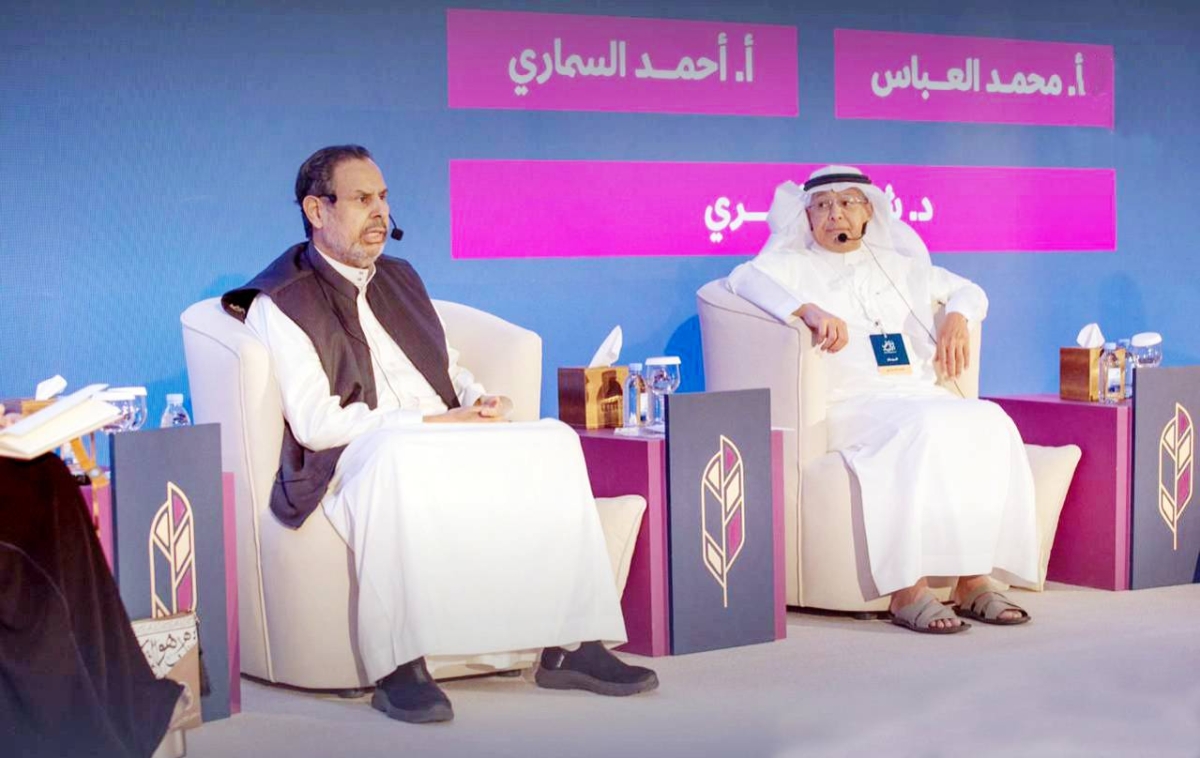
أحمد السماري لـ «عكاظ»: أستلهم التاريخ ولا أحوّل الرواية إلى وثيقة !
17 أكتوبر 2025 - 03:47
|
آخر تحديث 17 أكتوبر 2025 - 05:49


تابع قناة عكاظ على الواتساب
حاوره: علي فايع
alma33e@
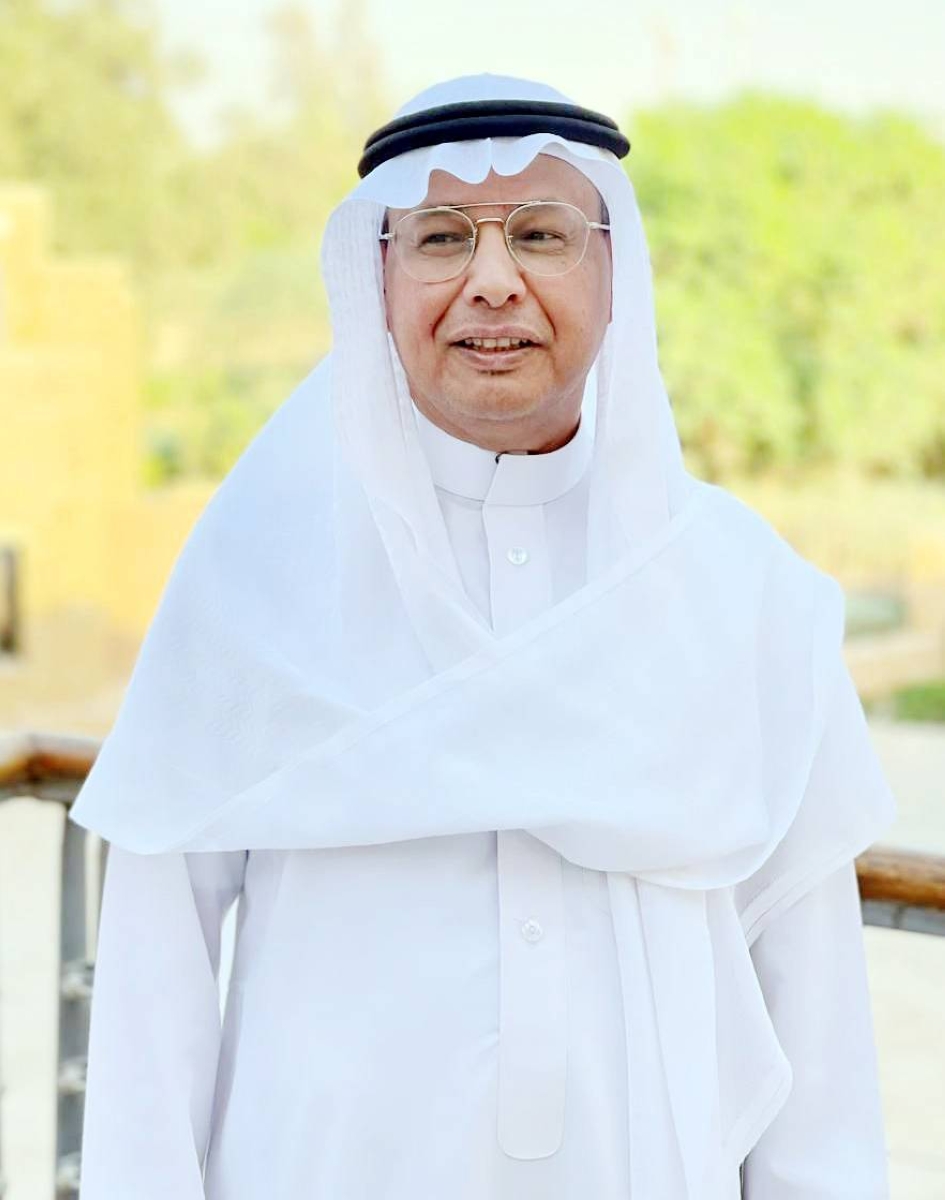
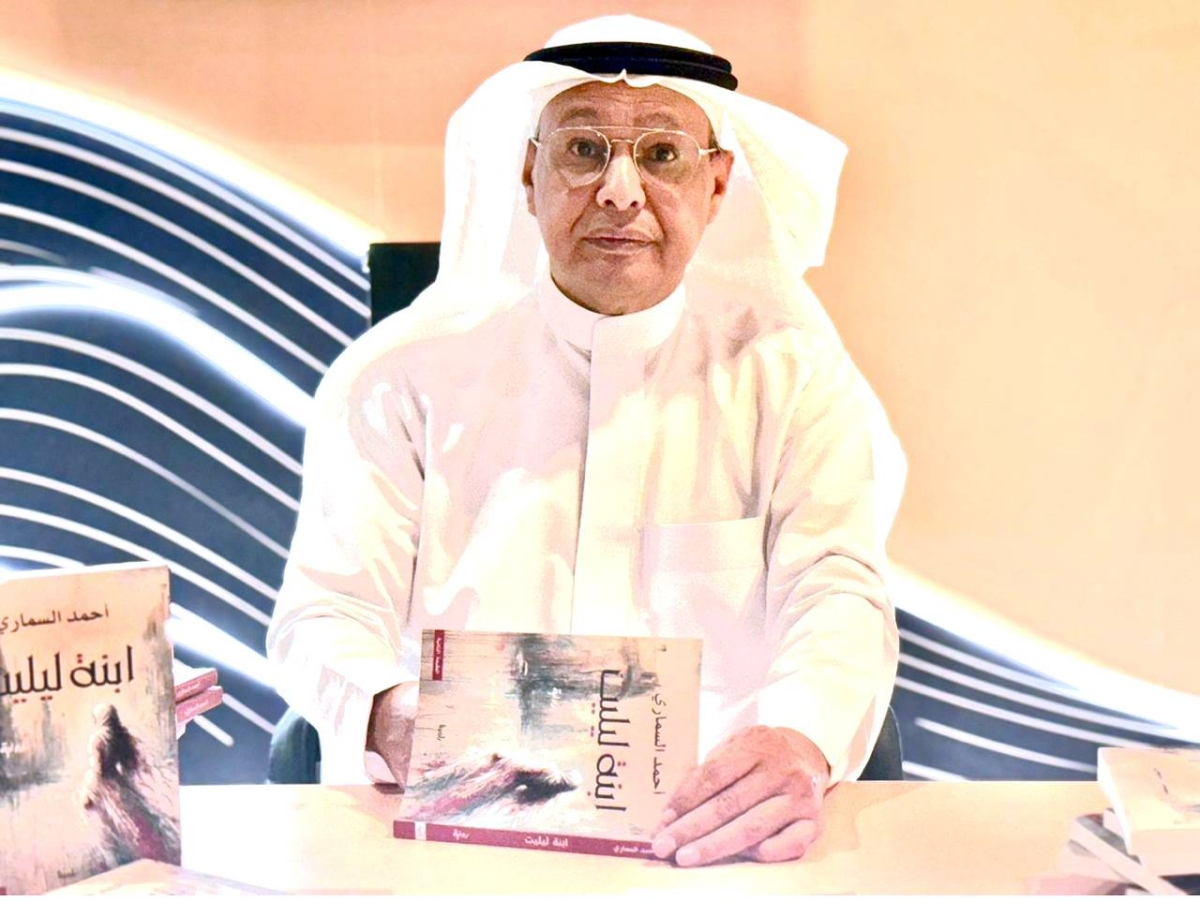
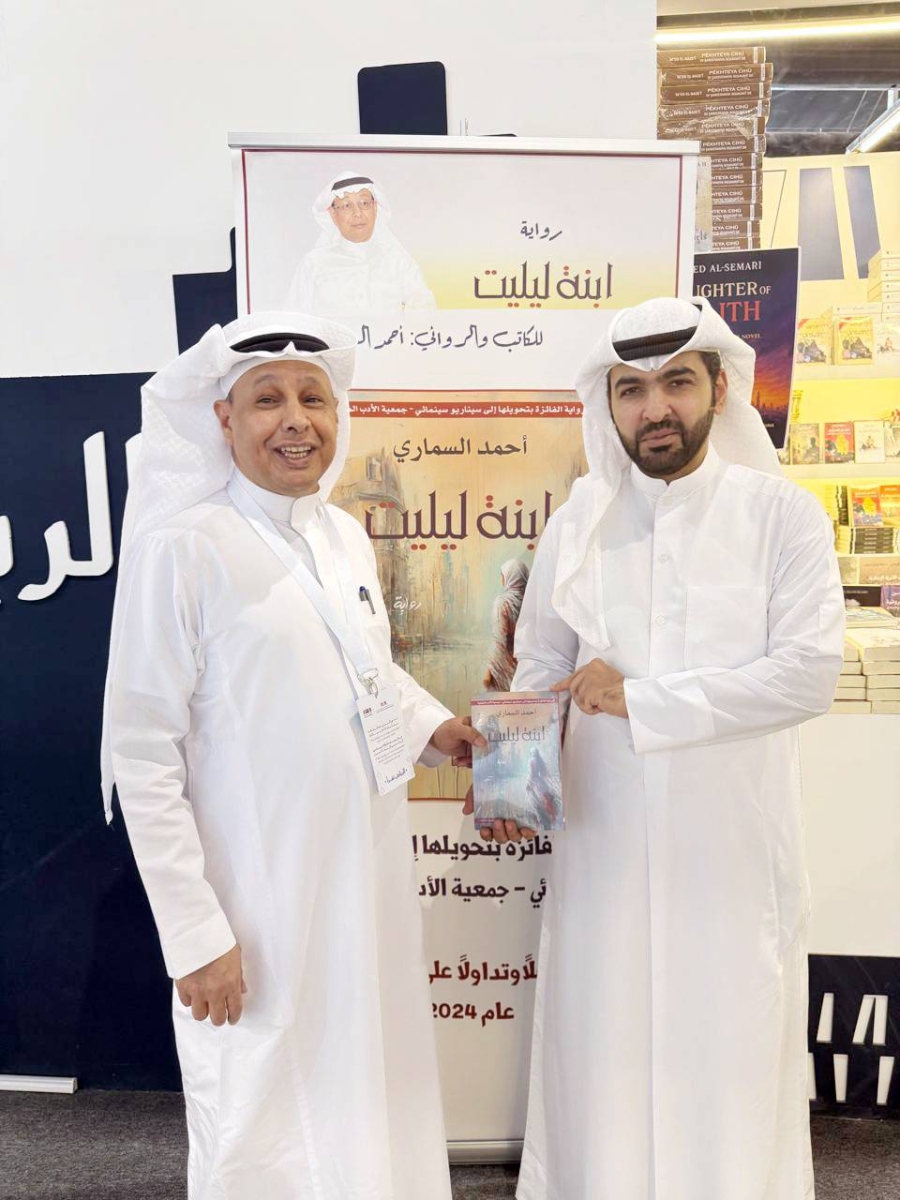
تنقّل قارئاً بنهمٍ بين عوالم الرواية العربية والعالمية، كان يؤجل الكتابة مكرهاً -كما قال-، وفي السنوات الأخيرة ذاع صيته، وانتشرت أعماله الروائية بشكل لافت، ليتوّج مسيرته في الكتابة الإبداعيّة بفوز روايته «ابنة ليليت» بتحويلها إلى سيناريو سينمائي ضمن مبادرة جمعية الأدب المهنيّة في مشروع تحويل الأعمال الروائية إلى سيناريو سينمائي، وليزيد حضوره في المشهد الثقافي.
يعيد الفضل في تشكّل وعيه للقراءة والوظيفة التي صقلت حياته، ومنحته مهارات حيوية في فهم النفس البشرية، وكان لهذه التجربة دور كبير في بناء شخصيات أعماله الروائية، وتخطيط الحوارات، والتعامل مع المواقف المعقّدة.
الكثير من هذه القضايا في حوارنا مع الروائي أحمد السماري.. فإلى نصّ الحوار..
• منذ أربع سنوات، تردّد اسمك في المشهد الثقافي السعودي بشكل ملحوظ، أين كنت قبل هذا التاريخ؟
•• كنتُ حيث يكون القارئ الحقيقي: غارقاً في الكتب، أتنقّل بين عوالم الرواية العربية والعالمية، أقرأ بنهمٍ تجاوز الألف رواية في السنوات العشر التي سبقت الكتابة، وكأنني أبني مكتبة داخل رأسي، أو أُهيّئ نفسي بصبرٍ طويل لليوم الذي أكتب فيه بشروط الفن بعيداً عن استعجال الظهور.
الكتابة بالنسبة لي لم تكن غائبة، لكنها كانت مؤجلة قسراً وسط زحام الحياة العملية ومسؤوليات المهنة التي لم تترك لي من الوقت إلا فسحات صغيرة انتزعتها بصعوبة لأجل القراءة، بينما الكتابة -وهي فعل أكثر تطلّباً وعمقاً- كانت تنتظر مساحة أرحب.
جاء التقاعد كهدية طال انتظارها. ومعه وُلدت رواية «الصريم»، أول عمل روائي كتبته بعد خروجي من دوّامة الجداول والمهمات اليومية. كان الزمن قد نضج داخلي، والأفكار اكتمل اختمارها، فبدأت الكتابة بعد تراكم مخزون معرفي وفكري وخبرات حياتية تشكّلت على مهل، وصار اليوم يشق طريقه إلى القرّاء.
• كيف تشكّل وعي أحمد السماري الأدبي؟
•• تشكّل وعيي الأدبي عبر طبقات متعددة، بدأ من النص المقدّس وامتدّ إلى تجارب القراءة العميقة، وانعكس في النهاية على تجربتي كاتباً.
في البداية، كانت تلاوة القرآن الكريم وحفظ بعض أجزائه أول تماسٍ لي مع جمال اللغة، وسحر البيان، وقدرة الكلمات على أن تُهزّ القلب وتضيء العقل. هذا الأثر المبكر ظلّ حيّاً في ذاكرتي اللغوية والوجدانية.
ثم جاءت محبة القصص والحكايات، وكان لأستاذي علي الزهراني -مدرس التربية الفنية في مدرسة أحمد بن حنبل الابتدائية بالرياض- فضل كبير، إذ كان يخصّص الحصة الثانية ليحكي لنا قصصاً معظمها من قراءاته في الأدب الشعبي والروايات العربية. تلك اللحظات غرست في نفسي حب السرد، وفتحت لي الباب نحو عوالم الحكاية.
ثم تلتها مرحلة القراءة النهمة والمكثفة، التي تجاوزت فيها خلال عشر سنوات فقط أكثر من ألف رواية عربية وعالمية، كنت أقرأ خلالها كمن يجمع أدواته قبل أن يصعد إلى المسرح. تأثرت كثيراً بنجيب محفوظ، والطيب صالح، وعبدالرحمن منيف، وإبراهيم الكوني، وقرأت بنهمٍ لكارلوس زافون، وإيزابيل الليندي، وباولو كويلو، وماريو بارغاس يوسا، وأليف شافاق، وغابرييل غارسيا ماركيز، وغيرهم كثير.
كما تابعت بإعجاب واهتمام إنتاج عدد من الروائيين السعوديين البارزين؛ الذين أسهموا في رفع سقف الطموح الفني للرواية السعودية، أمثال: عبده خال، ويوسف المحيميد، ومحمد حسن علوان، وأميمة الخميس، ومحمد المزيني، وغيرهم الكثير.
لكن وعيي لم يتشكّل بالقراءة وحدها، بل صقلته أيضاً حياتي المهنية الطويلة، التي منحتني مهارات حيوية في فهم النفس البشرية؛ فقد علّمتني الإدارة التوقيت المناسب لبدء أي مشروع -وهذا ما حدث مع الكتابة تماماً- كما منحتني فراسة اختيار الأشخاص والتعامل مع الشخصيات المختلفة، وتحليل ردود أفعالها. وقد كانت هذه التجربة، من حيث لم أشعر، تدريباً طويل المدى على بناء الشخصيات الروائية، وتخطيط الحوارات، والتعامل مع المواقف المعقّدة.
ولهذا، حين دخلت عالم الكتابة، كان عقلي قد تحول إلى خليط ناضج من التراكم القرائي، والتجربة الحياتية، والانتباه الحاد للتفاصيل الإنسانية. أكتب اليوم بما يشبه رحلتي كلها: هادئاً حيناً، مندفعاً حيناً، وبكثير من التأمل فيما وراء النص.
• في ظل حضورك اللافت في الندوات والأمسيات والملتقيات، وفي شبكات التواصل الاجتماعي بشكل كبير، متى تجد الوقت للقراءة والكتابة؟
•• السؤال في محلّه، إذ قد يبدو للمتابع أن الحضور الثقافي في الندوات والمنصات الرقمية يزاحم الوقت المخصص للقراءة والكتابة، لكنني أراه في حقيقته امتداداً طبيعياً للرحلة الأدبية، لا قطيعة معها.
فالكتابة لا تحدث فقط حين نمسك القلم، بل حين نُصغي للعالم، ونتفاعل مع نبض المجتمع الثقافي، ونراقب تغيراته، ونتعلّم من حواراته وأسئلته. هذه الأمسيات واللقاءات تمدّني بطاقة فكرية مختلفة، وتوسّع من أفق الوعي.
أما عن القراءة والكتابة، فهما أولوية يومية لا تفاوض حولها. أُخصّص لهما وقتاً منتظماً على طول النهار، كما اعتدت منذ عملي في القطاع الخاص، وغالباً في الصباح الباكر أو في لحظات السكون بعد الزحام. التقاعد منحني فسحة زمنية أوسع، لكن ما يجعل الجمع بين هذه العوالم المتوازية ممكناً هو التنظيم والانضباط الذاتي في إدارة الوقت، وهما من أثمن ما تعلمته من تجربتي الإدارية.
ولا يمكنني الحديث عن بداياتي دون أن أُشير-بكل امتنان وفخر- إلى مبادرة «الشريك الأدبي» التي أطلقتها هيئة الأدب والنشر والترجمة؛ لقد كانت النافذة الأولى التي قُدّمت من خلالها إلى المشهد الثقافي، وكانت الشرارة التي أوصلت صوتي إلى القرّاء، والنقاد، والصحافة الثقافية.
وسأقدّم اعترافاً هنا: لقد كانت هذه المبادرة دافعاً قوياً لتغيير نمط علاقاتي المجتمعية؛ فاستبعدت من برنامجي «الاستراحات»، والعلاقات الزائدة عن الحاجة، والمناسبات الاجتماعية المرهقة. هذا التغيير وفّر الكثير من الوقت الذي كان يُهدر دون جدوى، وبدأ يُستثمر فيما يستحق.
• أنت تكتب الرواية، ولديك ثلاث روايات لفتت إليها الأنظار، إن على مستوى القراءة وإن على مستوى النقد. وكما علمتُ، فإن روايتك الرابعة في طريقها لمعرض الكتاب القادم في الرياض. ما السمات الخاصة التي يحملها منتجك الروائي؛ كي يحظى بهذا القبول؟
•• لم أكن أتوقّع أن تجد رواياتي هذا الصدى، وهذا القبول الطيب من القرّاء، سواء على مستوى الإقبال أو التفاعل النقدي.
فالحمد لله الذي رزقني هذا، والشكر الجزيل لكل قارئ وقارئة منحوني ثقتهم، وشاركوا ملاحظاتهم، وكتبوا، وناقشوا، وأهدوني من وقتهم وجهدهم ما لم أكن أحلم به.
أما عن السمات الخاصة التي قد تكون أسهمت في هذا القبول، فأظن أن أبرزها أنني أكتب بتلقائية وصدق. لا أتكلّف، ولا أسعى لإبهار مصطنع، بل أقترب من الإنسان، وأحاول أن أعيد اكتشافه وسط الزحام، والحزن، والضجر، والأمل.
أكتب عن شخصيات «عادية» أو «مهمّشة» ظاهرياً، لكنها في العمق تحمل أسئلتنا جميعاً: من نحن؟ ولماذا نعيش بهذا الوضع؟ وما الذي نبحث عنه فعلاً؟
كما أنني أميل إلى اللغة المتزنة، التي تجمع بين البساطة والعمق، بين الجملة التي تسري كالماء، والفكرة التي تستقر في الذهن.
وأحرص على الاقتراب من الواقع دون أن أسقط في المباشرة، وأستلهم التاريخ دون أن أُحوّل الرواية إلى وثيقة، وأستدعي الحنين دون أن أغرق فيه.
أحاول أن أجعل الرواية مساحة حرة للأسئلة، لا منبراً للتقرير والوصايا.
وكل ذلك في سياق هدفي الأسمى من الكتابة: تحقيق المتعة. فأنا أؤمن أن الرواية، قبل أي شيء، وسيلة لإهداء السعادة للآخرين، ومن لا يُمتع قارئه لن يُقنعه ولا يُلامس وجدانه.
وأؤمن، دائماً، أن القارئ ذكي ومخلص، ولا يمنح إعجابه إلا لنصّ يشعر أنه كُتب له، أو عنه، أو معه. لذلك، أسعى في كل عمل جديد إلى أن أفاجئه، لا بأسلوبي فقط وهو مهم، ولكن -وهو الأهم- بفكرة روائية جديدة ومدهشة.
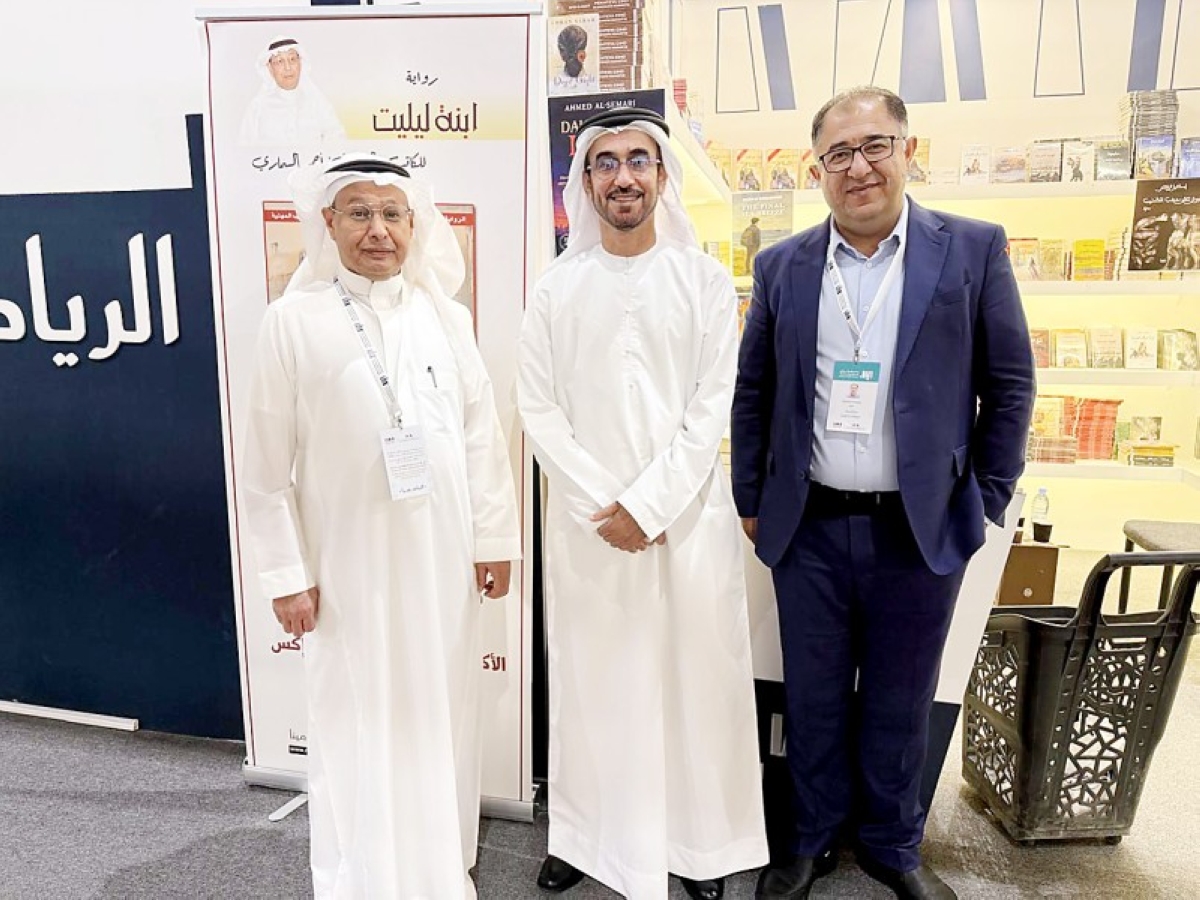
روايتي الرابعة «فيلق الإبل» -بإذن الله- ستكون حاضرة في معرض الرياض الدولي للكتاب 2025، وأتمنى أن تكون امتداداً لهذا المسار، واختباراً جديداً لتحدي الكتابة، وأن يجد فيها القرّاء الكرام المتعة والمعرفة والفائدة.
• من «الصريم» إلى «قنطرة» إلى «ابنة ليليت» وأخيراً «فيلق الإبل»، ما الرسالة التي يريد أحمد السماري أن يوصلها للقارئ عموماً؟
•• رسالتي الأدبية تنبع من قناعة عميقة بأن الأصالة تُستخرج من الجذور.
ولهذا، فإنني منذ بداياتي أكتب بدافع استكشاف هويتنا المحلية؛ بكل ما فيها من صحراء صامتة، وقرى بعيدة، ومدن تختزن طبقات من الحكايات والأصوات التي لا تزال تنتظر من يصغي إليها.
في أعمالي الأربعة -من الصريم إلى فيلق الإبل- سعيت إلى إعادة اكتشاف الإنسان في بيئته السعودية والعربية الخاصة، بوصفه جزءاً من التجربة الإنسانية الكبرى.
فما يعيشه البدوي في الصحراء، أو القروي بين واحات النخيل، أو ابن المدينة في أزقتها القديمة، يرتبط في جوهره بما يعيشه البشر جميعاً: الحب، الفقد، الذاكرة، القلق، الطموح، والبحث عن المعنى.
أنا أكتب عن الإنسان بمشاعره ولغته ولهجته وظرفه، لأنني أؤمن أن أصدق الأدب هو ما يأتي من أرض الكاتب.
ومن هنا، فإن التجذّر في المحلية ليس انغلاقاً، وإنما شرط للانفتاح الحقيقي. فالأدب الذي ينطلق من بيئة صادقة قادر على أن يصل إلى قارئ في أقصى الأرض؛ لأنه يتحدث بلغة القلب، ويُشبه الناس في أعماقهم.
ولعل التاريخ خير شاهد على هذه المعادلة: ألف ليلة وليلة وكليلة ودمنة انطلقتا من عمق الثقافات العربية والهندية والفارسية، لكنهما تجاوزتا الجغرافيا، وأثّرتا في آداب العالم حتى اليوم.
وهذا ما تؤكده أيضاً دراسات حديثة، مثل ما قالته بياتريس غروندلر: إن الأدب العربي المعاصر يحمل قابلية حقيقية لأن يكون أدباً عالمياً بفضل فرادته وصدقه وأصالته.
لذلك، حين أكتب أبتعد عن تقليد ما هو شائع، وأعود إلى ذاكرتي الأولى، وملامح المكان، ولهجة الأمهات، ووجوه الأجداد، والقصص المنسية في أطراف المدن والقرى.
وأقدّم هذا كله كنص حيّ نابض بالحياة، يستدعي الأسئلة، ويُمتع ويُدهش في آن واحد.
• ما الصعوبات التي تواجهها أثناء كتابتك الروائية؟
•• الصعوبة الكبرى -التي أواجهها دائماً عند الشروع في عمل روائي جديد- هي البحث عن الفكرة الإبداعية الأصيلة التي تستحق أن تُكتب.
وهناك مقولة شهيرة لبنجامين فرانكلين تختصر كثيراً من الحيرة التي تسبق كل مشروع كتابة، يقول فيها:
«إما أن تكتب شيئاً يستحق القراءة، أو تفعل شيئاً يستحق الكتابة».
أؤمن أن الكتابة تعبير عن موقف من الوجود. ولهذا، لا أبدأ الكتابة إلا حين أشعر أن ما سأقوله يُضيء زاوية معتمة في الإنسان، أو في الذاكرة، أو في التجربة الجمعية.
الفكرة لا تأتي بسهولة، فهي بذرة عاطفية وفكرية تحتاج إلى إنضاج ورعاية ذهنية وتأمل وصبر طويل.
ومن الصعوبات أيضاً: إعادة اختراع النفس مع كل رواية.
تخطيط النص وبناء حبكته، ورسم شخصياته المتقلبة، وابتكار لغة تناسب زمان الحكاية ومكانها، واختيار الأسلوب السردي الأمثل للتعبير عن الأحداث والمشاعر، كلها تحديات تفرض على الكاتب أن يكون في حالة تخلي عن يقينياته السابقة، وأن يدخل مغامرة جديدة تشبه العبور بلا خارطة، بكل ما تحمله من ارتباك ومتعة واكتشاف.
وهناك صعوبة أخرى، خفية لكنها شديدة الحضور: الكتابة بوصفها مواجهة مع الذات، مع مخاوفها وذاكرتها وتردداتها، ومع بعض أفكار المجتمع أيضاً. وقد كتبت في إحدى مقالاتي:
«الكتابة الإبداعية هي شريك الوعي ومُستنفر الروح. هي الحب، ونحن نمارسها من أجل البقاء».
فالكتابة تُخرجك من عزلتك، لكنها في الوقت نفسه تُجبرك على تفكيك ذاتك وإعادة تركيبها حرفاً حرفاً. ولهذا، فإن أجمل نصوصي كانت غالباً نتيجة لصراع داخلي طويل، أو حوار ممتد لا يصل إلى نتيجة قاطعة.
ولا يمكن إغفال التحديات الخارجية: الزمن، التشتت، الانشغالات، الضوضاء من حولك، وحتى بعض الإحباطات التي تصل بسبب التعامل مع رواياتك السابقة.
لكن هذه كلها تبقى تفاصيل ثانوية أمام المعركة الحقيقية: «أن تكتب شيئاً يلمس قلب القارئ، ويمنح الحياة معنى جديداً، أو يلبي نداء وجدانياً، أو يطرح سؤالاً عميقاً لم يكن حاضراً من قبل».
• كيف ترى مشهدنا الثقافي اليوم؟
•• أراه في أبهى صوره في عقدنا الأخير، إذ نعيش اليوم نهضة ثقافية حقيقية، على مستوى الإنتاج الأدبي عموماً، وعلى مستوى الوعي والتفاعل والانفتاح.
ما كان يُعدّ في الماضي تمنيات مؤجلة أو حراكاً نخبوياً محدوداً، أصبح اليوم مساحة مجتمعية مفتوحة، تشارك فيها شرائح متعددة من الأجيال والمجالات، من الكاتب والمثقف، إلى القارئ العادي، وحتى الشاب الذي يخطو خطواته الأولى نحو الفن والإبداع.
الانفتاح الثقافي الذي تشهده بلادنا اليوم يقوم على قناعة راسخة وسياسة عامة، تتجه نحو تحوّل عميق في نظرتنا للثقافة، بوصفها جزءاً من الهوية الوطنية، ومن أدوات القوة الناعمة، وصناعة المستقبل.
نشهد توسعاً في معارض الكتب، وازدياد بيوت الثقافة، وتنوعاً في دور النشر، وجرأة في الطرح، وتزايداً في الترجمة، وانتقالاً ملحوظاً من ثقافة الاستهلاك إلى ثقافة الإنتاج والمبادرة والمشاركة.
كما أن استحداث وزارة للثقافة، وهيئة للأدب والنشر والترجمة، وجهات ثقافية أخرى، أحدث فارقاً من خلال مبادرات واعية مثل: الشريك الأدبي، المهرجانات الثقافية، القنوات المتخصصة، الجوائز الوطنية، المعتزلات الأدبية، الحوارات المفتوحة. هذه المسارات منحت للمواهب فرصاً حقيقية للحضور والازدهار، بعيداً عن العلاقات والدوائر المغلقة.
اللافت أيضاً هو الحراك المجتمعي التفاعلي: حضور القرّاء في بيوت الثقافة والجمعيات الأدبية، وتفاعلهم على وسائل التواصل، ونقاشات النقد، والاحتفاء بالكتب الجديدة. كلّها مؤشرات على أن الثقافة أصبحت جزءاً أصيلاً من وعي المجتمع، ولم تعد ترفاً نخبوياً.
وأشعر بتفاؤل كبير، فهذا الحراك يتجه نحو ترسيخ بنية ثقافية مستدامة، تتغذى من الموروث، وتتصل بالعالم، وتنفتح على الإنسان في كل مكان، دون أن تفقد خصوصيتها.
نحن في وثبة نادرة، تتشكل فيها ملامح ثقافة سعودية جديدة، عميقة وجريئة، تحترم تراثها، وتخاطب العالم بلغة الحاضر.
والمسؤولية اليوم مشتركة -بين المؤسسات الرسمية، والمبدعين، والمجتمع- للحفاظ على هذا الزخم، وتوجيهه نحو إنتاج ثقافة تُكتب، وتُقرأ، وتُصنّف، وتبقى.
• حدّثنا عن رأيك في الجوائز الأدبية، وأنت واحد ممن فازت روايته «ابنة ليليت» أخيراً بتحويلها إلى سيناريو؟
•• لا شك عندي أن الجوائز الأدبية من أهم الأدوات الفاعلة في تحفيز الإنتاج، وتكريس الجودة، ورفع سقف التطلعات الإبداعية.
من أهم معايير نجاح الجوائز أن تكون عادلة وشفافة، فذلك يمنح الكاتب حافزاً قوياً، ويُسلّط الضوء على النص، ويدفع به نحو قرّاء جدد، ويفتح أمامه نوافذ جديدة في النقد والقراءة.
الجوائز ظاهرها تتويج، وجوهرها قوة ديناميكية للنمو الثقافي، وتوسيع خارطة التأثير.
ومع التقدير للجهود القائمة من الجهات المعنية برعاية الثقافة، إلا أن المشهد السعودي اليوم يحتاج إلى جائزة وطنية كبرى مخصصة للرواية السعودية، تحمل طابعاً مؤسسياً واضحاً، وتتناسب مع وفرة الإنتاج وتحولاته النوعية.
فنحن أمام قطاع ينتج أكثر من 300 رواية سنوياً، وهذا يستدعي آلية تكريم تحتفي بهذه الطاقة وتعيد تصديرها ثقافياً بما يليق بها.
المشاركات في الجوائز العربية -التي يزيد عددها على 30 جائزة في مختلف المجالات الأدبية- لا تُغني عن الحاجة إلى مظلة داخلية تدعم وتتبنّى التجربة السعودية وفق خصوصيتها وسياقها.
• ماذا عن علاقتك بالناشر طباعةً وتوزيعاً في ظل شكاوى الأدباء من دور النشر؟
•• علاقة الكاتب بالناشر علاقة جوهرية، وهي أحد أركان المشهد الثقافي التي لا تستقيم دونها العملية الإبداعية.
ودور النشر لم تعد شركات طباعة تقليدية، إنما تحوّلت إلى شريك في إيصال الكلمة إلى القارئ، وقد ذُكر اسمها نصاً في تسمية «هيئة الأدب والنشر والترجمة»، باعتبارها جزءاً من النسيج الثقافي الوطني.
ومع ذلك، لا يمكن تجاهل أن هذه العلاقة تعاني من غياب الحوكمة، خصوصاً فيما يتعلق بالعقود المبرمة بين المؤلف ودار النشر.
فلا توجد حتى الآن مرجعية تنظيمية واضحة تُلزم الطرفين ببنود موحدة تحفظ الحقوق، وتصوغ العلاقة بصيغة مهنية متوازنة وعادلة.
هذا الغياب فتح الباب أمام عقود مجحفة، وغموض في الحقوق، وتأخر في التقارير المالية، وضعف في الشفافية حول التوزيع والتسويق، وازدياد حالات سوء الفهم بين الطرفين.
من واقع التجربة، هناك دور نشر جادة تحفظ للكاتب مكانته، وتعتمد الصراحة والوضوح، وتقدّر القيمة الأدبية للنص.
وفي المقابل، هناك من ينظر إلى الكاتب كمورد مالي قبل أن يكون مصدراً للإبداع، ولا يتعامل معه شريكاً ثقافيّاً في المشروع.
هذا التفاوت في مستوى العلاقة سببه الأساس هو غياب إطار ناظم يحدّد الحقوق والواجبات، ويضمن العدالة للطرفين.
من هنا، أجد أن الوقت قد حان لأن تُطلق هيئة الأدب والنشر والترجمة منصّة وطنية للعقود الثقافية، على غرار ما هو معمول به في قطاعات مثل عقود العمل، وعقود الإيجار العقاري، والعقود التجارية الموحّدة.
وجود منصة رسمية تُنظّم العلاقة بين المؤلف والناشر سيكون له أثر مباشر في تقليل الفوضى، وحماية الحقوق، والحدّ من ممارسات الإجحاف التي يعاني منها كثير من الكتّاب والكاتبات، كما يُريح دور النشر من العشوائية والمطالبات المتكررة.
نحن بحاجة إلى بيئة احترافية واضحة تُشجّع الكاتب على الإنتاج، وتُحفّز دور النشر على التميّز، وتجعل من العلاقة بين الطرفين شراكة قائمة على الثقة والتكامل، لا علاقة هشّة تقوم على المجاملة أو الغموض.
• هل استفاد الكاتب الروائي أحمد السماري من التحوّلات الاجتماعية والثقافية في المملكة؟ وكيف؟
•• نعم، وبكثير من الامتنان. لقد استفدت من هذه التحوّلات إنسانياً أولاً، ثم فكرياً وإبداعياً.
المجتمع السعودي اليوم يعيش مرحلة تحول غير مسبوقة، شملت تفاصيل الحياة اليومية، وأنماط العلاقات، وحدود التفاعل بين الناس. وبالنسبة لي كوني كاتباً، فإن هذا الانفتاح حدث كضرورة إنسانية ومجتمعية فرضت نفسها.
بات الجلوس في المقاهي مع الأصدقاء، وتبادل الأحاديث الجادة والعابرة، أمراً معتاداً لا يخضع لحسابات اجتماعية معقدة.
أصبح التواصل مع المرأة -في سياق الثقافة والعمل والحوار- أمراً طبيعياً، بلا ريبة أو تحسّس أو شعور بالذنب كان يخنق المواقف النبيلة ويعكر صفو التعاملات.
هذه التحوّلات كسرت الجليد، وحررت العلاقات من التوجّس والتأويل المفرط، ومنحت الكاتب فرصة نادرة ليصغي ويتأمل ويتفاعل مع واقعه دون أقنعة.
صار الواقع أكثر وضوحاً، والإنسان أكثر حضوراً، والمشهد أكثر ثراءً، والحديث أكثر صدقاً.
وعلى مستوى الكتابة، أثّرت هذه التغيرات في بناء الشخصيات، وفي رسم العلاقات، وفي توسيع أفق الحوار داخل النص. لم أعد مضطراً أن أكتب من وراء ستار، أو أن أستعير رموزاً مبالغاً فيها لأوصل معنى ما أريد.
اللغة أصبحت أكثر جرأة، والحوار أكثر واقعية، والرواية أقرب إلى نبض المجتمع كما هو، لا كما يُتخيّل أو يُخشى.
الرواية تستمد مادتها من نبض الحياة، وتحوّل التفاصيل اليومية إلى أسئلة وجودية وجمالية. وكل تحوّل مجتمعي يُعدّ أداة جديدة في يد الكاتب، ومساحة لإعادة قراءة الذات والواقع بوعي أكثر انفتاحاً وجرأة، خصوصاً عند نقد بعض الرؤى والأفكار التي سيطرت طويلاً على العقول وأخرجت المجتمع من الطبيعي إلى الوصاية.
اليوم أكتب بعيون أكثر انفتاحاً، وبقلب أقلّ تحفظاً، وبلغة تعكس ما نشهده من تصالح جميل بين الذات ومحيطها، وبين الإنسان وصورته الاجتماعية الجديدة.
القرآن كان له أثر كبير في علاقتي بالسرد
«فيلق الإبل» اختبار جديد لتحدي الكتابة
في الكتابة أبتعد عن تقليد الشائع
حياتي المهنية صقلت وعيي
الرواية وسيلة لإهداء السعادة للآخرين
A voracious reader, he moved between the worlds of Arabic and global literature, postponing writing reluctantly - as he said - and in recent years, his reputation has spread, and his novels have gained remarkable attention, culminating in the crowning of his creative writing journey with the conversion of his novel "Daughter of Lilith" into a film script as part of the Professional Literature Association's initiative to adapt novels into screenplays, further enhancing his presence in the cultural scene.
He attributes the formation of his awareness to reading and the role it played in shaping his life, granting him vital skills in understanding human psychology. This experience significantly contributed to building the characters in his novels, planning dialogues, and dealing with complex situations.
Many of these issues arose in our conversation with the novelist Ahmed Al-Samari.. So here is the text of the interview..
• Four years ago, your name resonated in the Saudi cultural scene noticeably. Where were you before this date?
•• I was where the true reader is: immersed in books, moving between the worlds of Arabic and global literature, reading voraciously, having surpassed a thousand novels in the ten years preceding my writing, as if I were building a library inside my head, or patiently preparing myself for the day I would write under the conditions of art, away from the rush to appear.
Writing for me was not absent, but it was postponed forcibly amidst the hustle of practical life and the responsibilities of a profession that left me with only small pockets of time that I struggled to carve out for reading, while writing - which is a more demanding and profound act - awaited a broader space.
Retirement came as a long-awaited gift. With it, the novel "Al-Sareem" was born, the first novel I wrote after emerging from the whirlwind of schedules and daily tasks. The time had ripened within me, and the ideas had fully matured, so I began writing after accumulating a wealth of knowledge, thought, and life experiences that had formed gradually, and today it is making its way to readers.
• How did Ahmed Al-Samari's literary awareness form?
•• My literary awareness formed through multiple layers, starting from the sacred text and extending to deep reading experiences, ultimately reflecting on my experience as a writer.
Initially, reciting the Holy Quran and memorizing some of its parts was my first contact with the beauty of language, the magic of expression, and the ability of words to shake the heart and illuminate the mind. This early impact remained alive in my linguistic and emotional memory.
Then came my love for stories and tales, and my teacher Ali Al-Zahrani - the art education teacher at Ahmed Ibn Hanbal Primary School in Riyadh - played a significant role, as he dedicated the second period to tell us stories, most of which were from his readings in popular literature and Arabic novels. Those moments instilled in me a love for storytelling and opened the door to the worlds of narrative.
Following that was a phase of voracious and intensive reading, during which I read more than a thousand Arabic and global novels in just ten years, reading as if gathering my tools before stepping onto the stage. I was greatly influenced by Naguib Mahfouz, Tayeb Salih, Abdul Rahman Munif, Ibrahim Al-Koni, and I read voraciously from Carlos Ruiz Zafón, Isabel Allende, Paulo Coelho, Mario Vargas Llosa, Elif Shafak, Gabriel Garcia Marquez, and many others.
I also followed with admiration and interest the works of several prominent Saudi novelists who contributed to raising the artistic aspirations of Saudi literature, such as Abdu Khal, Yusuf Al-Muhaimid, Muhammad Hassan Alwan, Umaima Al-Khamis, Muhammad Al-Muzaini, and many others.
However, my awareness was not shaped solely by reading; it was also refined by my long professional life, which granted me vital skills in understanding human psychology. Management taught me the right timing to start any project - and this is exactly what happened with writing - as it also gave me the insight to choose people and deal with different characters, and analyze their reactions. This experience, often without my realizing it, was a long-term training in building fictional characters, planning dialogues, and dealing with complex situations.
Thus, when I entered the world of writing, my mind had transformed into a mature blend of accumulated reading, life experience, and sharp attention to human details. I write today in a way that reflects my entire journey: sometimes calm, sometimes impulsive, and with much contemplation beyond the text.
• In light of your remarkable presence in seminars, evenings, and gatherings, as well as on social media, when do you find time for reading and writing?
•• The question is valid, as it may seem to observers that cultural presence in seminars and digital platforms competes with the time allocated for reading and writing, but I see it as a natural extension of the literary journey, not a disconnection from it.
Writing does not only happen when we hold the pen, but when we listen to the world, interact with the pulse of the cultural community, observe its changes, and learn from its dialogues and questions. These evenings and meetings provide me with a different intellectual energy and expand my awareness.
As for reading and writing, they are a daily priority that I do not negotiate about. I allocate regular time for them throughout the day, as I have been accustomed to since my work in the private sector, often in the early morning or in moments of stillness after the hustle. Retirement has granted me a wider time space, but what makes combining these parallel worlds possible is organization and self-discipline in managing time, which are among the most valuable lessons I learned from my administrative experience.
I cannot talk about my beginnings without mentioning - with all gratitude and pride - the "Literary Partner" initiative launched by the Literature, Publishing, and Translation Authority; it was the first window through which I was introduced to the cultural scene, and the spark that brought my voice to readers, critics, and the cultural press.
And I will make a confession here: This initiative was a strong motivator for changing my social relationships; I excluded from my schedule "rest stops," unnecessary relationships, and exhausting social events. This change provided a lot of time that was previously wasted without purpose, and began to be invested in what is worthwhile.
• You write novels, and you have three novels that have attracted attention, both in terms of readership and criticism. As I learned, your fourth novel is on its way to the upcoming book fair in Riyadh. What special features does your literary product have to gain such acceptance?
•• I did not expect my novels to find this resonance and this good acceptance from readers, whether in terms of demand or critical interaction.
Thanks be to God who granted me this, and my sincere gratitude to every reader who has given me their trust, shared their observations, written, discussed, and gifted me their time and effort beyond what I had dreamed of.
As for the special features that may have contributed to this acceptance, I believe the most prominent is that I write with spontaneity and sincerity. I do not strive for artificial impressiveness, but rather approach humanity and try to rediscover it amidst the hustle, sadness, boredom, and hope.
I write about "ordinary" or "marginalized" characters on the surface, but they deeply carry all our questions: Who are we? Why do we live in this situation? What are we really searching for?
I also tend to use balanced language that combines simplicity and depth, between a sentence that flows like water and an idea that settles in the mind.
I strive to approach reality without falling into directness, draw inspiration from history without turning the novel into a document, and evoke nostalgia without drowning in it.
I try to make the novel a free space for questions, not a platform for declarations and commandments.
All of this is in the context of my ultimate goal in writing: to achieve enjoyment. I believe that the novel, above all else, is a means of gifting happiness to others, and those who do not entertain their readers will not convince them or touch their hearts.
I always believe that the reader is intelligent and loyal, and does not grant their admiration except to a text they feel was written for them, about them, or with them. Therefore, in every new work, I strive to surprise them, not only with my style, which is important, but - and this is more important - with a new and astonishing narrative idea.
My fourth novel "The Camel Legion" - God willing - will be present at the Riyadh International Book Fair 2025, and I hope it will be an extension of this path, a new test for the challenge of writing, and that esteemed readers will find enjoyment, knowledge, and benefit within it.
• From "Al-Sareem" to "Qantara" to "Daughter of Lilith" and finally "The Camel Legion," what message does Ahmed Al-Samari want to convey to the reader in general?
•• My literary message stems from a deep conviction that authenticity is extracted from the roots.
Therefore, since my beginnings, I have written driven by the desire to explore our local identity; with all its silent deserts, distant villages, and cities that hold layers of stories and voices still waiting for someone to listen to them.
In my four works - from Al-Sareem to The Camel Legion - I sought to rediscover humanity in its specific Saudi and Arab environment, as part of the larger human experience.
What the Bedouin experiences in the desert, or the villager among the palm oases, or the city dweller in its old alleys, is fundamentally connected to what all humans experience: love, loss, memory, anxiety, ambition, and the search for meaning.
I write about humanity with its emotions, language, dialect, and circumstances, because I believe that the truest literature comes from the writer's land.
From here, I find that rooting in the local is not a closure, but rather a condition for true openness. Literature that emerges from an authentic environment can reach a reader at the ends of the earth; because it speaks the language of the heart and resembles people in their depths.
History is perhaps the best witness to this equation: "One Thousand and One Nights" and "Kalila and Dimna" emerged from the depths of Arab, Indian, and Persian cultures, yet they transcended geography and influenced the literatures of the world to this day.
This is also affirmed by recent studies, such as what Beatrice Grundle said: that contemporary Arabic literature has a real potential to be global literature thanks to its uniqueness, sincerity, and authenticity.
Therefore, when I write, I distance myself from imitating what is common, and return to my earliest memory, the features of the place, the dialect of mothers, the faces of grandparents, and the forgotten stories on the outskirts of cities and villages.
I present all of this as a living text pulsating with life, invoking questions, and entertaining and astonishing at the same time.
• What difficulties do you face while writing your novels?
•• The greatest difficulty - which I always face when embarking on a new novel - is finding the original creative idea that deserves to be written.
There is a famous saying by Benjamin Franklin that encapsulates much of the confusion that precedes every writing project, in which he says:
“Either write something worth reading, or do something worth writing.”
I believe that writing is an expression of a stance on existence. Therefore, I do not start writing until I feel that what I am about to say illuminates a dark corner in humanity, or in memory, or in the collective experience.
The idea does not come easily; it is an emotional and intellectual seed that needs to be nurtured and mentally cared for, requiring contemplation and long patience.
Among the difficulties is also reinventing oneself with each novel.
Planning the text, building its plot, sketching its fluctuating characters, inventing a language that suits the time and place of the story, and choosing the optimal narrative style to express events and emotions are all challenges that compel the writer to be in a state of relinquishing previous certainties and entering a new adventure akin to crossing without a map, with all that it entails of confusion, enjoyment, and discovery.
There is another difficulty, hidden yet very present: writing as a confrontation with oneself, with its fears, memories, and reverberations, and with some societal ideas as well. I wrote in one of my articles:
“Creative writing is the partner of awareness and the stirrer of the soul. It is love, and we practice it for survival.”
Writing pulls you out of your isolation, but at the same time, it forces you to dismantle your self and reassemble it letter by letter. Therefore, my most beautiful texts were often the result of a long internal struggle or an extended dialogue that does not reach a conclusive result.
We cannot overlook external challenges: time, distraction, engagements, noise around you, and even some frustrations that arise from dealing with your previous novels.
But all of these remain secondary details in the face of the real battle: “to write something that touches the reader's heart, gives life a new meaning, meets an emotional call, or poses a profound question that was not previously present.”
• How do you see our cultural scene today?
•• I see it in its finest form in our last decade, as we are experiencing a true cultural renaissance today, both in terms of literary production in general and in terms of awareness, interaction, and openness.
What was once considered deferred wishes or limited elite movements has now become an open community space, shared by various segments of generations and fields, from the writer and intellectual to the ordinary reader, and even the young person taking their first steps towards art and creativity.
The cultural openness that our country is witnessing today is based on a firm conviction and a public policy aimed at a profound transformation in our view of culture, as part of national identity, tools of soft power, and future-making.
We are witnessing an expansion of book fairs, an increase in cultural houses, diversity in publishing houses, boldness in presentation, a rise in translation, and a noticeable shift from a culture of consumption to a culture of production, initiative, and participation.
The establishment of a Ministry of Culture, a Literature, Publishing, and Translation Authority, and other cultural entities has made a difference through conscious initiatives such as: the literary partner, cultural festivals, specialized channels, national awards, literary retreats, and open dialogues. These pathways have provided talents with real opportunities for presence and flourishing, away from closed relationships and circles.
Also noteworthy is the interactive community movement: the presence of readers in cultural houses and literary associations, their interaction on social media, critical discussions, and the celebration of new books. All of these are indicators that culture has become an integral part of the community's consciousness and is no longer an elite luxury.
I feel a great sense of optimism, as this movement is heading towards establishing a sustainable cultural structure that feeds on heritage, connects with the world, and opens up to humanity everywhere, without losing its specificity.
We are in a rare leap, where the features of a new, deep, and bold Saudi culture are taking shape, respecting its heritage while addressing the world in the language of the present.
The responsibility today is shared - between official institutions, creators, and society - to maintain this momentum and direct it towards producing culture that is written, read, classified, and remains.
• Tell us your opinion on literary awards, as you are one of those whose novel "Daughter of Lilith" was recently adapted into a screenplay?
•• I have no doubt that literary awards are among the most effective tools in stimulating production, cementing quality, and raising the bar for creative aspirations.
One of the most important criteria for the success of awards is that they be fair and transparent, as this provides the writer with a strong incentive, highlights the text, propels it towards new readers, and opens new windows for criticism and reading.
Awards appear to be a crowning achievement, but their essence is a dynamic force for cultural growth and expanding the map of influence.
While I appreciate the ongoing efforts of the relevant authorities in nurturing culture, the Saudi scene today needs a major national award dedicated to Saudi literature, with a clear institutional character, that matches the abundance of production and its qualitative transformations.
We are facing a sector that produces more than 300 novels annually, which calls for a recognition mechanism that celebrates this energy and culturally re-exports it in a manner befitting it.
Participations in Arab awards - of which there are more than 30 in various literary fields - do not compensate for the need for an internal umbrella that supports and adopts the Saudi experience according to its specificity and context.
• What about your relationship with the publisher in terms of printing and distribution amidst complaints from writers about publishing houses?
•• The relationship between the writer and the publisher is a fundamental one, and it is one of the pillars of the cultural scene without which the creative process cannot be sustained.
Publishing houses are no longer traditional printing companies; they have transformed into partners in delivering the word to the reader, and their name has been explicitly mentioned in the designation "Literature, Publishing, and Translation Authority," as part of the national cultural fabric.
However, it cannot be ignored that this relationship suffers from a lack of governance, especially regarding the contracts concluded between the author and the publishing house.
There is currently no clear regulatory reference that obliges both parties to standardized terms that preserve rights and frame the relationship in a balanced and fair professional manner.
This absence has opened the door to unjust contracts, ambiguity in rights, delays in financial reports, a lack of transparency regarding distribution and marketing, and an increase in misunderstandings between the two parties.
From my experience, there are serious publishing houses that preserve the writer's status, rely on honesty and clarity, and appreciate the literary value of the text.
Conversely, there are those who view the writer as a financial resource before being a source of creativity and do not treat them as a cultural partner in the project.
This disparity in the level of relationship is fundamentally due to the absence of a regulatory framework that defines rights and obligations and ensures justice for both parties.
From here, I find that the time has come for the Literature, Publishing, and Translation Authority to launch a national platform for cultural contracts, similar to what is practiced in sectors such as employment contracts, real estate rental contracts, and standardized commercial contracts.
The existence of an official platform that organizes the relationship between the author and the publisher will have a direct impact on reducing chaos, protecting rights, and limiting the unjust practices that many writers face, as well as relieving publishing houses from randomness and repeated demands.
We need a clear professional environment that encourages the writer to produce, motivates publishing houses to excel, and makes the relationship between the two parties a partnership based on trust and integration, not a fragile relationship based on flattery or ambiguity.
• Has novelist Ahmed Al-Samari benefited from the social and cultural transformations in the Kingdom? How?
•• Yes, and with much gratitude. I have benefited from these transformations, first as a human being, then intellectually and creatively.
The Saudi society today is experiencing an unprecedented transformation, encompassing details of daily life, patterns of relationships, and the boundaries of interaction among people. For me as a writer, this openness has occurred as a human and societal necessity that has imposed itself.
Sitting in cafes with friends, exchanging serious and casual conversations, has become a common matter that does not adhere to complex social calculations.
Communicating with women - in the context of culture, work, and dialogue - has become natural, without suspicion, discomfort, or guilt that once stifled noble stances and disrupted interactions.
These transformations have broken the ice, liberated relationships from apprehension and excessive interpretation, and granted the writer a rare opportunity to listen, contemplate, and interact with their reality without masks.
The reality has become clearer, humanity more present, the scene richer, and the conversation more honest.
On the level of writing, these changes have influenced character building, relationship drawing, and expanding the horizon of dialogue within the text. I am no longer forced to write from behind a curtain or to borrow exaggerated symbols to convey what I want.
The language has become bolder, the dialogue more realistic, and the novel closer to the pulse of society as it is, not as it is imagined or feared.
The novel draws its material from the pulse of life, transforming daily details into existential and aesthetic questions. Every societal transformation is a new tool in the writer's hand, and a space for rereading the self and reality with a more open and bold awareness, especially when critiquing some views and ideas that have long dominated minds and taken society from the natural to guardianship.
Today, I write with more open eyes, with a less reserved heart, and with a language that reflects the beautiful reconciliation we witness between the self and its surroundings, and between humanity and its new social image.
The Quran has had a significant impact on my relationship with storytelling.
"The Camel Legion" is a new test for the challenge of writing.
In writing, I distance myself from imitating what is common.
My professional life has refined my awareness.
The novel is a means of gifting happiness to others.


